Have you ever been mesmerized by the sound of a beautiful instrument? Music has a way of captivating our ears and hearts, and much of it is thanks to the many different types of musical instruments. From stringed instruments to percussion, woodwinds, and keyboard instruments—each type creates its own unique sound. In this article, we’ll explore what a musical instrument is, the different types of instruments available, popular examples, and how to play them. So put on your conductor’s hat – let’s make some music!
What is a Musical Instrument?
A musical instrument is a device used to produce sound. There are many different types of instruments, categorized by their use of strings, percussion, woodwinds, and keyboards. Each type of instrument has its own unique sound, from the beautiful tones of a violin to the powerful notes from a drum kit. They can be played alone or in combination with other instruments to create an ensemble. Popular examples include the piano, guitar, flute, and clarinet.
The history of music dates back centuries and the earliest instruments were discovered in human cultures around the 11th century BC. While most instruments have evolved over time and come in various shapes and sizes, they all share a commonality—the ability to create music through vibration. From wind instruments such as the French horn or baritone horn to percussion instruments like skin drums or frame drums—each creates its own distinct sound when played by air or hand respectively.
Modern electronic instruments like synthesizers also offer an infinite range of sounds that can be manipulated with playing methods like pitch bends or note slides, making them popular among today’s musicians. Whether it’s classical music from the 19th century or modern Western tunes from the 20th century—musical instruments have been essential for creating beautiful sounds throughout different cultures all over Southeast Asia and beyond!
The power of music through instruments is something that has transcended time and culture—imbuing each era with its own unique sound. From the past to the present, instruments have been a source of creative expression for humanity and will continue to be for years to come. Get ready to explore the various kinds of musical instruments available today and learn about their unique sounds!
Types of Musical Instruments
Types of Musical Instruments have been around for centuries, from ancient drums to modern synthesizers. While there are many categories of instruments, the main four are stringed instruments, woodwind instruments, percussion instruments, and keyboard instruments. Stringed instruments are played by plucking or strumming strings with a pick or bow to produce sound. Woodwinds use air blown through a tube to create notes that vary in pitch depending on the size of the instrument. Percussion instruments produce sound when they are struck with mallets or sticks, while keyboard instruments create sound when keys are pressed down.
The types of musical instruments available today offer a wide range of sounds and options for musicians to explore. From classical music on a violin to rock music on an electric guitar—there is something for everyone! Many popular Western instruments like guitars and drums have been used since the 20th century, but traditional Asian stringed and percussion instruments like the koto or shamisen date back even further in history. No matter what type of instrument you choose, it’s important to find one that resonates with you personally so that you can make beautiful music together!
No matter what type of music you are into, there is a musical instrument out there that can help you express yourself in the most beautiful way! Now let’s take a closer look at stringed instruments and find the perfect one for you.

Stringed Instruments
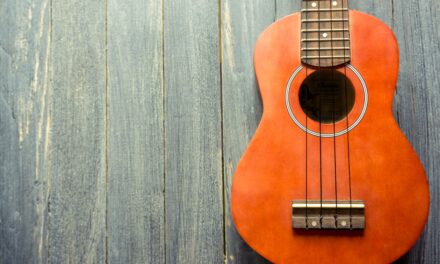
Stringed instruments are a popular choice for musicians and music lovers alike, due to the wide range of sounds they can produce. These instruments use strings to create sound when plucked or strummed with a pick or bow and come in many different styles and sizes. The most popular stringed instruments include the guitar, violin, cello, and bass, but more niche options like banjo, mandolin, and ukulele also exist. For centuries these instruments have been used to create beautiful melodies across all genres of music—from classical symphonies to rock anthems!
No matter your experience level or the style of music you prefer playing, there is a stringed instrument for everyone. To find the perfect one for you it’s important to consider factors such as size (for example electric guitars are typically larger than acoustic ones) and playing method; some require plucking while others need to be strummed. Additionally, the budget should play an important role in your decision-making process as prices vary from basic student-level models all the way up to professional-grade instruments.
At the end of the day, taking time to select a stringed instrument that resonates with you personally is key! With a little bit of research and patience, you can find an instrument that will bring joy into your musical journey for years to come.
Strings have the power to bring your music to life, so take the time to find the perfect stringed instrument that speaks to you! Next, we’ll explore some of the most popular string instruments and what makes them unique.
Popular String Instruments
Stringed instruments have been a popular choice for musicians and music lovers for centuries, due to their versatility in producing a range of sounds. The most popular stringed instruments are the guitar, violin, cello, and bass, but there are also more niche options like the banjo, mandolin, and ukulele. No matter your experience level or the genre of music you prefer playing, there’s a stringed instrument that will fit your style. When selecting an instrument it’s important to consider factors such as size (electric guitars are typically larger than acoustic) and playing method (some require plucking while others need to be strummed). Additionally, the budget should play an important role in choosing the right one. Taking time to find a stringed instrument that resonates with you personally is key and can bring joy into your musical journey for years to come.
How to Play a String Instrument
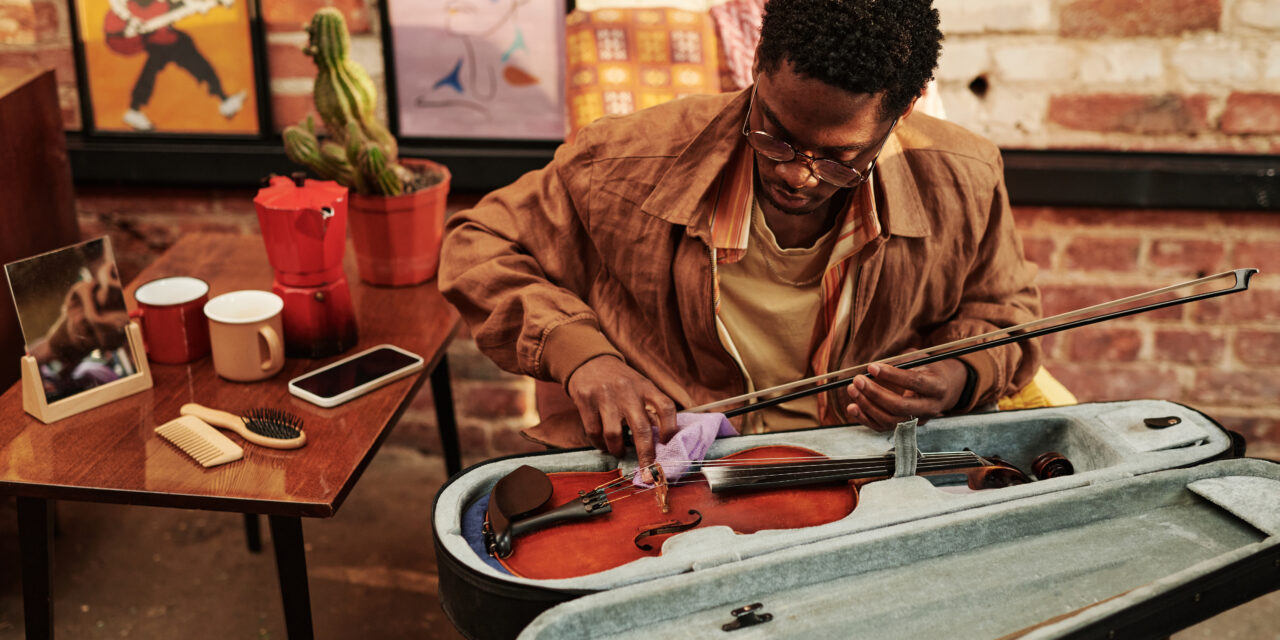
Playing a string instrument can be an enjoyable and rewarding experience that requires patience, practice, and dedication. Before you begin playing, it is important to select the right instrument for your level of ability and interest. Different types of string instruments have varying levels of difficulty in terms of tuning, playing technique, and range. Once you have selected an instrument, make sure to find a teacher or mentor to help guide you through the learning process.
The most important step in learning how to play a string instrument is developing proper technique. This includes finding the correct posture when sitting with your instrument and holding the bow or pick correctly. It also means practicing the basics such as scales and arpeggios until they become second nature. As your skill level increases, add more complex techniques such as vibrato, slides, and bends into your playing.
Finally, take time to enjoy yourself while playing! Don’t get discouraged if progress seems slow at first; with enough practice, everyone can master their instrument eventually! With discipline and determination, there’s no limit to what you can achieve on your chosen stringed instrument.
Keyboard Instruments
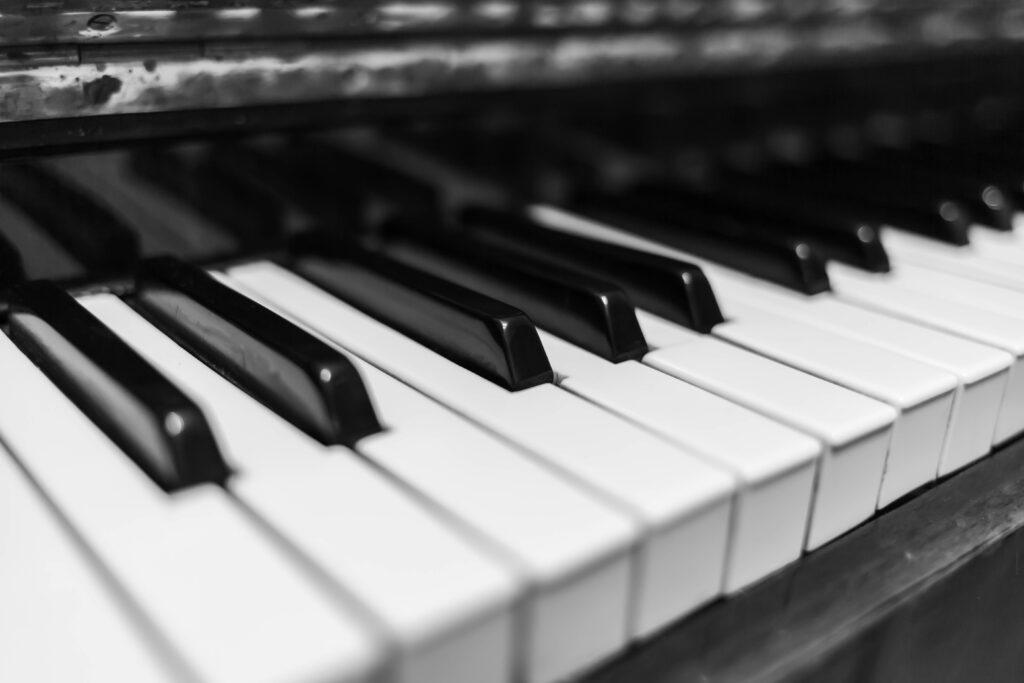
Keyboard instruments, such as pianos and synthesizers, have been a staple of music for centuries. As one of the most popular instruments in Western music, the keyboard is a versatile instrument that can easily produce a variety of sounds. Some of the earliest keyboard instruments date back to the eleventh century, while modern ones have become staples in both classical and popular music since the nineteenth century. Keyboard instruments are typically classified into two groups: those that use mechanical parts to produce sound and those that use electronic components.
Playing keyboard instruments requires a unique set of skills, such as understanding chords and scales, developing coordination between hands, and having an ear for tones and intervals. Once these skills are mastered, they can be used to create beautiful pieces of music that can evoke emotion in their listeners. Keyboard instruments are commonly used in solo performances or within larger ensembles; they also provide accompaniment to singers or other instrumentalists. With its vast versatility, it’s no wonder why keyboard instruments remain so popular in today’s world!
From its humble beginnings centuries ago to its modern form today, the keyboard instrument has shown its immense versatility and appeal. Its timeless music transcends eras and genres, inspiring musicians and listeners alike with its beautiful sound. As we turn our attention to popular keyboard instruments, get ready to explore some of the most beloved models that have shaped modern music!
Popular Keyboard Instruments
The keyboard instrument has been a staple of music for centuries, with its versatile sound appealing to both classical and popular genres. Keyboard instruments are classified into two groups: mechanical and electronic. Playing these instruments requires an understanding of chords, scales, and coordination between hands. Its timeless music transcends eras and genres, inspiring musicians and listeners alike with its beautiful sound.
Popular keyboard instruments include the piano, harpsichord, organ, clavichord, synthesizer, accordion, and electric piano which are often used in solo performances or within larger ensembles to provide accompaniment to singers or other instrumentalists. The popularity of keyboard instruments can be attributed to their versatility; they can produce a variety of sounds ranging from calming to upbeat depending on the style of music being played. Throughout its history the keyboard instrument has adapted as technology advances, creating new opportunities for modern musicians to explore different sounds while still maintaining its classic appeal.
How to Play a Keyboard Instrument
Playing a keyboard instrument can be an enjoyable and rewarding experience. To get started, familiarize yourself with the basics of the instrument such as recognizing different notes on the keys. Next, begin practicing simple scales and chords to develop your technique. As you progress you can move onto more complex chords and melodies. It is also important to practice regularly, even if it’s just a few minutes every day, as this will help you to hone your skills faster. Additionally, listen to other keyboard players as they can provide valuable insight into playing techniques and musical styles that may inspire you in your own playing.
Finally, invest in quality sheet music or instructional books so that you have access to accurate pieces of music which will help you improve more quickly. With dedication and practice anyone can learn how to play a keyboard instrument for both personal enjoyment and performance purposes.
Wind Instruments
Wind instruments are an integral part of music, providing a unique sound to any composition. Wind instruments come in many shapes and sizes, but all create their sound by the wind passing through them. This air is produced either by a player’s breath or with an attached bellow. Popular wind instruments include woodwinds such as the flute, oboe, and clarinet; brass instruments like the trumpet and French horn; and free reed instruments such as the accordion and harmonica.
Each type of instrument has its own range of notes as well as playing techniques which can vary depending on the culture in which they originate from. Wind instruments have been used for centuries, with some of the earliest examples being found in Southeast Asia dating back to the eleventh century. Today, these popular instruments are used in both classical music as well as more modern genres due to their versatility and the wide range of sounds that they can produce.
Wind instruments are a vital part of music, and their unique sound is sure to be enjoyed by both experienced listeners and newbies alike. Next up, we’ll dive into the different varieties of popular wind instruments and explore all the unique sounds they can create!
Popular Wind Instruments
Wind instruments are an integral part of music, providing a unique sound to any composition. Popular wind instruments include woodwinds such as the flute, oboe, and clarinet; brass instruments like the trumpet and French horn; and free reed instruments such as the accordion and harmonica. Wind instruments have been used for centuries, with some of the earliest examples being found in Southeast Asia dating back to the eleventh century. Today, these popular instruments are used in both classical music as well as more modern genres due to their versatility and the wide range of sounds that they can produce.
Woodwinds are one of the most commonly used types of wind instruments and feature a variety of different sizes, shapes, and materials which can be used to create various tones. Woodwinds produce their sound when air is blown over an opening or hole in the instrument which causes a vibration that creates sound waves. Brass instruments work similarly but use metal tubing instead of wood to produce notes by vibrating against a player’s lips or tongue. Free reed instruments also rely on airflow but use metal reeds instead of tubing or holes to generate sound waves.
Wind instruments provide an important element to any type of musical composition and have been enjoyed by listeners for centuries. With their unique tone and ability to create a wide range of sounds, wind instruments remain popular today across many cultures throughout the world!
How to Play a Wind Instrument
Playing a wind instrument can be a rewarding and enjoyable experience. Whether you are just starting out or have been playing for years, learning to play the flute, clarinet, saxophone, trumpet, trombone, or any other wind instrument is an exciting journey. To get started, you’ll need to have the right equipment and learn proper technique.
The first step is to purchase a good quality instrument and make sure it’s properly maintained. If possible, try different instruments before deciding which one feels best in your hands. Once you have chosen an instrument that best suits your needs, familiarize yourself with the basics of music theory and practice proper breathing techniques so you can control airflow through the instrument.
Next, learn how to hold the instrument correctly and create sounds with correct embouchure (mouth position) and fingerings. You should also practice reading music notation as well as scales and arpeggios to help build muscle memory for finger placement on the keys or valves of your wind instrument. Additionally, developing timing skills by using a metronome during practice will help improve accuracy when playing with others.
With patience and dedication, anyone can learn how to play a wind instrument! With regular practice sessions focusing on technique and musicianship skills such as sight-reading and improvisation, you will soon be ready to perform in front of an audience!
Percussion Instruments
Percussion instruments are an integral part of any musical ensemble. They provide a driving rhythm to accompany melodies and harmonies, as well as add color and texture to the mix. Percussion instruments come in many forms, from skin drums such as the djembe or bongos, to frame drums such as the tambourine or Cajon, and even metallic percussion instruments like the xylophone or marimba.
For centuries, percussion instruments have been used around the world in human cultures for both spiritual and entertainment purposes. While their origins vary across different countries and regions, many of these instruments share similarities in playing method, sound by wind, or striking with hand-held objects like sticks or mallets. In Southeast Asia for instance, gongs are commonly used in ceremonial music performances while tabla is a popular instrument used in classical Indian music.
In more recent times, percussion has also become an important part of Western music since the twentieth century. Early examples can be heard in jazz during the nineteenth century while some of the earliest electronic instruments were created in the eleventh century! Today’s popular instruments range from snare drum sets to timpani and even baritone horns – all played with skillful technique and musicianship.
No matter what type of music you are playing or performing, percussion can bring energy and excitement into your soundscape! With practice and dedication to developing skills such as reading sheet music and memorization techniques, anyone can learn how to create amazing sounds on a variety of percussion instruments!
With its wide range of shapes and sounds, percussion instruments can add a unique and dynamic element to any performance. From traditional gongs to electronic drums, no matter the genre or style, percussion can bring life and excitement to your music! Get ready to explore some of the most popular percussion instruments in the next section!
Popular Percussion Instruments
Percussion instruments are an essential part of any musical ensemble, providing a driving rhythm to accompany melodies and harmonies. Popular percussion instruments range from traditional skin drums such as the djembe or bongos, to frame drums like the tambourine or Cajon, and even metallic percussion instruments like xylophones and marimbas. Instruments have been used across different cultures for centuries, but have become an integral part of Western music since the twentieth century.
Today’s popular percussion instruments include snare drum sets, timpani, and baritone horns. With practice and dedication to developing skills such as reading sheet music and memorization techniques, anyone can learn how to create amazing sounds on these instruments. Percussion can bring energy and excitement into any soundscape – no matter what genre or style of music you are playing! So get ready to explore some of the most popular percussion instruments out there!
How to Play a Percussion Instrument
Percussion instruments are some of the most exciting instruments to play, providing a driving rhythm to accompany melodies and harmonies. While playing percussion can seem intimidating at first, with dedication and practice anyone can learn how to create amazing sounds on these instruments. Here are some tips to get you started:
First, identify what type of percussion instrument you’d like to learn. Popular percussion instruments include drums such as the djembe or bongos, frame drums like the tambourine or cajon, and metallic percussion instruments like xylophones and marimbas.
Next, familiarize yourself with the instrument—the different parts it has and how they work together. For example, if you’re learning a drum set, familiarize yourself with each individual part; cymbals, snare drums, and tom-toms. This will help you understand which parts should be played when in order to create a cohesive sound.
Thirdly, learn about correct playing techniques for your chosen instrument. Good technique helps ensure that your sound is strong and clear for every note or beat you play. Make sure you practice regularly so that your muscles become adept at creating just the right amount of force for each note or beat.
Finally, once you feel comfortable with the basics of playing your instrument, start exploring different rhythms and styles so that you can find what works best for you musically. Learning how to play a percussion instrument is an incredibly rewarding experience – enjoy your journey!
Woodwinds
Woodwinds, a family of musical instruments, are a crucial component of any ensemble or orchestra. Woodwinds have been used in music for centuries and come in a variety of shapes and sizes. Some popular woodwinds include flutes, clarinets, oboes, and bassoons.
Woodwind instruments produce sound when air is blown through the mouthpiece. The air column is then made to vibrate by pressing down keys that open and close holes on the instrument. Depending on the size and model of the woodwind instrument, the range may vary from one octave to over three octaves.
Woodwind instruments are used in many different styles of music including classical, jazz, folk, and rock. They can take center stage as solo instruments or blend into an ensemble to provide background accompaniment or fill out chords with their unique timbres. Woodwinds bring a broad range of emotion to any piece of music – from hauntingly melancholy flute solos to raucous saxophone solos that could make anyone want to dance!
No matter what style of music you’re playing, woodwinds offer endless possibilities for creating beautiful music. Whether you’re just starting out or already an experienced musician, learning how to play a woodwind instrument can be incredibly rewarding!
Woodwind instruments provide a unique and powerful tool to create beautiful music. From classical overtures to jazz improvisations, woodwinds bring a dynamic range of emotions to any piece. Get ready to explore some of the most popular woodwinds out there!
Popular Woodwinds
Woodwinds are a family of musical instruments that have been used for centuries in different genres of music. Popular woodwinds include flutes, clarinets, oboes, and bassoons, which all produce sound when air is blown through the mouthpiece.
The range of woodwind instruments varies from one octave to over three octaves, making them suitable for many styles of music from classical to jazz and folk to rock. They can be used as solo instruments or blended into a larger ensemble to provide accompaniment or fill out chords with their unique timbres.
Woodwinds add emotion and depth to any piece of music and are incredibly rewarding to learn how to play. Experienced musicians gain access to an even wider range of possibilities due to their versatility and dynamic range. Whether you’re just starting out or already experienced in playing woodwinds, they offer endless opportunities for creating beautiful music.
How to Play the Woodwind
Playing a woodwind instrument is an incredibly rewarding experience. Whether you’re looking to learn the basics or become a master musician, it’s important to understand the fundamentals of playing a woodwind instrument.
First, you need to choose the right instrument for you. If you don’t already have one, consider renting or borrowing one from a friend until you know what kind of sound and tone you prefer. Once you have your instrument in hand, familiarize yourself with its components and how they work together.
Once ready to play, take some time to position yourself correctly; make sure your arms are comfortably at your sides and that your embouchure—the shape of your mouth around the mouthpiece—is correct for the instrument. Practice making different sounds by blowing air into the mouthpiece, and adjust as needed until comfortable.
Learning how to read music is essential for mastering any woodwind instrument; being able to read music will help you develop better technique and improve overall performance. Finally, be sure to practice regularly in order to keep up with newfound skills and techniques as well as maintain them over time. With patience and dedication, playing the woodwind can bring much joy!
Conclusion
In conclusion, musical instruments are an integral part of human culture and have been used for centuries to create beautiful sounds and express emotions. From simple percussion instruments to complex electronic synthesizers, there is a vast array of instruments available for musicians to explore and master. Whether you are a professional musician or a beginner, learning to play an instrument can be a rewarding and enriching experience. So, whether you prefer the soothing sounds of a guitar or the rhythmic beat of a drum, there is a musical instrument out there for everyone to enjoy.