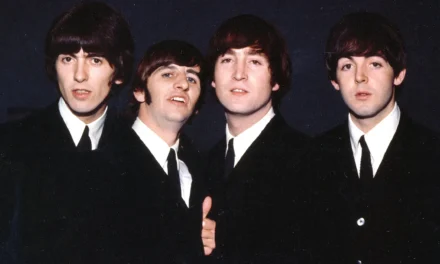
From the Beatles to Led Zeppelin, live performances have always been an essential part of rock music. Even today, crowds around the world still sing along to the iconic tunes that these legendary bands have produced over time. But what is it about these live performances that make them so significant to the genre? From their electrifying energy to their intimate connection with audiences, live performances in rock music remain a powerful form of artistic expression. In this essay, we will explore the significance of live performances in rock music and what makes them so special.

Overview of the significance of live performances in rock music
Live performances in rock music have become a powerful form of artistic expression, offering audiences an opportunity to connect with the music in a way that can’t be replicated by a studio recording. With their electrifying energy, these performances allow the artist to share their music with people in a unique and intimate setting. From loud rock anthems to powerful ballads, live performances provide fans with the chance to hear their favorite artists perform songs in ways they might never have heard before. Additionally, these performances often feature special guests or collaborations between multiple artists, creating an exciting atmosphere and giving audiences something special to remember. In addition to providing entertainment for fans, live performances also offer a platform for raising awareness about social issues or promoting charitable causes. Many popular musicians have used their concerts as a means of helping those less fortunate or speaking out against injustices in society. Ultimately, the significance of live performances in rock music lies in their ability to bring people together through shared experiences and meaningful connections with the music and its performers.
Live performances in rock music provide a unique and powerful form of artistic expression, bringing people together through the shared experience of music. As we explore the history of rock music, let’s find out how this genre has evolved over time to become one of the most popular musical styles in the world.
History of Rock Music
Rock music has been a major force in popular culture for decades, with its roots stretching back to the 1950s. Since then, a wide variety of rock genres have emerged, including hard rock, punk, metal, and alternative. The sound of rock music has been shaped by many iconic artists over the years, from Elvis Presley and Ray Charles to Jimi Hendrix and Gene Simmons. Innovations such as distorted electric guitars and unique vocal styles were key elements in defining the sound of rock music. With its powerful beats and passionate lyrics, rock music has become one of the most influential musical styles in history. To this day it continues to capture the imaginations of both fans and performers alike with live performances that bring people together through shared experiences and meaningful connections with the music. From small clubs to huge stadiums, rock concerts remain a powerful form of artistic expression that continues to be enjoyed by generations of fans around the world.
Rock music has been a cornerstone of popular culture for over half a century, and it doesn’t look like it’s going away anytime soon. Next time, we’ll explore the origins of rock and roll and how it changed the sound of music forever.
Origins of Rock and Roll
Rock and roll is a genre of popular music that originated in the United States in the 1950s. It has roots in African American blues, gospel, and jazz, as well as country and Western music. The sound of rock and roll was characterized by electric guitars, double basses, drums, and strong rhythms. Pioneers such as Chuck Berry, Little Richard, and Elvis Presley helped to define the new genre with their own unique styles of music.
Rock and roll changed the way people listened to music forever. Its popularity spread quickly across North America and Europe, leading to an explosion of new bands creating their own takes on the genre. Rock concerts became some of the most popular events of the time, drawing huge crowds that were eager to experience a different kind of energy than what they were used to.
The impact of rock and roll on society was immense; it provided a platform for people from all walks of life to come together through shared experiences and meaningful connections with one another. Its early days still resonate today in many forms: from classic tunes like “Johnny B Goode” by Chuck Berry to modern-day hits from artists like Brian Wilson or Chad Smith; from classical rock operas like “Tommy” by The Who to high-energy performances by Metallica’s James Hetfield; from Yoko Ono’s avant-garde pop songs to Joe Walsh’s hard-rocking live shows—rock music continues to shape our lives today just as much as it did back then.
Evolution of the genre over time
The evolution of rock music has been a prolific journey since its early days in the 1950s. From its blues and jazz roots to the more experimental sounds of psychedelic rock in the 1960s, to the hard-hitting power chords of heavy metal in the 70s and 80s, rock music has evolved into a genre that is as diverse as it is powerful. In the 90s and 2000s, genres such as punk rock and alternative rock emerged that further pushed boundaries and expanded fans’ expectations of what rock can be.
Today, there are countless subgenres of rock music with artists blending elements from various genres to create something unique. From indie rock bands like The Strokes to modern classic acts such as Foo Fighters, today’s musicians continue to explore new sounds while staying true to their roots. As the genre continues to evolve over time, more diverse styles will emerge that will further shape our understanding and appreciation for live performances in rock music.

The popularity of live performances throughout history
Live performances have been a key part of rock music’s history since its inception. From the early days of Elvis Presley and Chuck Berry to modern acts like The Killers and Coldplay, live rock concerts have become an integral part of the genre. Live shows provide fans with an opportunity to experience their favorite songs in a unique way; they can dance, sing along, and get lost in the moment with their favorite artists. Artists often use live performances as a way to showcase their creativity, as well as give fans an up-close-and-personal experience that cannot be replicated through recorded music.
In addition to being popular among fans, live performances also provide musicians with more artistic freedom than they would typically have in the recording studio. On stage, artists are able to improvise and switch up their setlists at will – something that is not always possible when recording albums or singles. Furthermore, performing in front of an audience gives musicians a chance to interact with fans on a deeper level and receive real-time feedback for their work.
From stadium tours to intimate club shows, live performances are essential for any artist looking to make it big in the industry. They allow bands and solo performers alike to connect with their audiences on an emotional level and create unforgettable experiences that last long after the show is over.
Types of Rock Music
Rock music is an ever-evolving genre that has been around for decades. From classic rock to hard rock and punk, there are a variety of subgenres that have spawned from the original sound. Each type of rock has its own unique set of characteristics, from instrumentation and vocal style to lyrical content.
Classic Rock often features electric guitar solos, blues-based progressions, and general themes of rebellion and freedom. Hard Rock incorporates heavy metal elements such as distorted guitars and aggressive drum beats; this type of rock is often associated with heavier topics like death and despair. Punk is known for its fast tempos, distorted power chords, and politically charged lyrics.
The various types of rock music have all had an influence on one another throughout history; these influences can be found in modern bands such as The Killers or Foo Fighters who incorporate aspects from multiple genres into their music. Ultimately, no matter what type of rock you enjoy, it’s important to remember that they all share the same roots: rebellion and creativity.
Rock music is a powerful voice that has been used to express a variety of emotions and opinions, from joy and celebration to anger and despair. No matter which type of rock you listen to, it all comes down to the same core message: freedom of expression. So crank up the volume and let your favorite tunes speak for themselves! As we move forward, let’s take a look at how classic rock changed the game for generations to come – with its iconic solos and unforgettable anthems
Classic rock
Classic rock is a genre of music that has been around since the 1950s and 1960s when it began to emerge from various forms of popular music. With its electric guitar solos, blues-based progressions, and general themes of rebellion and freedom, classic rock was an important part of the musical landscape during this time period. Artists like Gene Simmons and Brian Wilson helped define the sound of classic rock with their iconic songs that still resonate today. Other artists such as Chad Smith, James Hetfield, Jimi Hendrix, Joe Walsh, and Ray Charles also helped shape classic rock into what it is today.
The influence of classic rock can be heard across all genres of music today; from punk to hard rock, many modern bands incorporate aspects of classic rock in their songs. It’s even made its way to the West Coast with groups like San Francisco’s The Grateful Dead who brought a unique spin on the genre. Classic rock has left an indelible mark on popular music over the past few decades and continues to be a driving force in contemporary music today.
Hard rock/heavy metal
Hard rock and heavy metal have been around since the late 1960s when bands such as Led Zeppelin and Deep Purple began experimenting with hard-hitting sounds. Since then, hard rock and heavy metal have become synonymous with each other, both genres being seen as the more edgy and rebellious side of rock music. Hard rock/heavy metal is characterized by its aggressive sound, often featuring distorted guitars and powerful drumming. The genre has a wide range of sub-genres such as death metal, thrash metal, and glam metal which all feature different characteristics.
Live performances are an integral part of the hard rock/heavy metal experience; with concerts being an important part of any fan’s life. These shows are often energetic affairs full of pyrotechnics and stage theatrics that bring fans to their feet in awe and admiration. While many people may find this genre too loud or chaotic for their own tastes, it remains one of the most popular forms of live music in North America today.

Punk/Alternative rock
Punk/Alternative Rock music has been around since the 1970s and has become a staple of popular culture. Punk/Alternative Rock is characterized by its fast tempos, off-beat rhythms, and strong vocal melodies. It often features political messages and an anti-establishment attitude. The genre has evolved over time and now includes many subgenres such as grunge, punk-pop, ska, and emo.
Live performances in Punk/Alternative Rock are essential for any artist looking to make a name for themselves. These shows offer fans a chance to experience their favorite bands up close, with a raw energy that can’t be found on any recording. Furthermore, these concerts often provide a platform for social issues to be discussed and debated with passionate intensity.
The power of live performances of Punk/Alternative Rock is undeniable; they bring people together in an environment that encourages the expression of emotion and freedom from societal constraints. With each passing year, more fans flock to shows to experience the unique atmosphere only found at these events, making Punk/Alternative Rock one of the most popular genres of music today!
Progressive/experimental rock
Progressive/Experimental Rock has been a staple of the music industry since the late 1960s, and its influence can still be heard in popular music today. Progressive/Experimental Rock is characterized by its heavy instrumentation, complex rhythms and melodies, and often unpredictable song structures. It was designed to push the boundaries of what people thought was possible in the realm of rock music.
Live performances of Progressive/Experimental Rock are essential for any artist looking to make an impact on their audience. They offer fans a chance to experience something new and exciting, with performances that can be quite unpredictable due to the genre’s experimental nature. These shows provide an opportunity for bands to really showcase their talent and creativity, while also allowing them to express themselves freely without fear of judgment or censorship.
The power of Progressive/Experimental Rock’s live performances is undeniable; they bring people together in a space where ideas can be freely expressed and explored without consequence. With each passing year, more fans flock to these events as they become increasingly popular amongst music lovers everywhere, making Progressive/Experimental Rock one of the most exciting genres today!
Notable Live Performances in Rock Music
Live performances of Rock Music have been a staple of the music industry since its inception in the 1950s. These events allow fans to experience some of their favorite artists in a unique setting and often provide an avenue for them to explore new types of music.
The most notable live performances in Rock Music include Woodstock 1969, Live Aid 1985, and Lollapalooza 1991. During Woodstock, The Who, Jimi Hendrix, Joe Cocker, and Janis Joplin all put on legendary sets that have gone down in history as some of the greatest live performances ever seen. Similarly, Live Aid 1985 saw Queen, U2 and David Bowie come together for an unforgettable concert that raised money for famine relief in Africa. Finally, Lollapalooza 1991 brought Jane’s Addiction, Ministry, and Nine Inch Nails to the world stage in what was considered one of the most influential music festivals of all time.
More recently Coachella 2011 gave us Kanye West, Kings Of Leon, and Arcade Fire while Live 8 2005 featured Coldplay, Sting & The Police, and Pink Floyd. These events demonstrate how important live performances are to Rock Music; they provide a platform for artists to express themselves through their music while simultaneously allowing fans to indulge in something truly special.
Live performances in Rock Music provide an unforgettable experience, with the potential to create lasting memories for all those involved. However, there are both benefits and drawbacks that come with these events. Stay tuned to find out what they are!
Benefits and Drawbacks to Live Performances in Rock Music
Live performances in Rock Music can be a powerful experience for both fans and musicians alike. On the one hand, concert-goers are able to get up close and personal with their favorite artists, creating an intimate connection between artist and fan that is often lost when listening to recorded music. Musicians also benefit from this closeness, as it allows them to convey more emotion in their performance than they could ever do through a recording. Furthermore, live shows give musicians the opportunity to flex their improvisational muscles and really let loose, which can add an extra layer of intensity and excitement to the experience.
However, there are some drawbacks associated with live Rock Music performances. Sound production is often much more difficult in a live environment due to acoustics and other factors, while technical difficulties such as equipment malfunctions or feedback can take away from the show’s momentum. Additionally, with larger groups of people on-stage during a performance comes an increased risk for accidents or injuries that could potentially lead to disaster if not properly managed.
Overall, live performances in Rock Music can be incredibly rewarding experiences for everyone involved if done right. They provide an unparalleled level of engagement between artist and audience that cannot be found anywhere else and provide musicians with the opportunity to really let loose. With all this being said, however, it is important to remember that there are risks associated with these events and they should always be taken into consideration before putting on a show.
Live performances are a powerful way to connect artists and audiences through Rock Music, and when done right, they can create an unforgettable experience. But with all that said, what kind of factors contribute to the success of these shows? Stay tuned to find out!
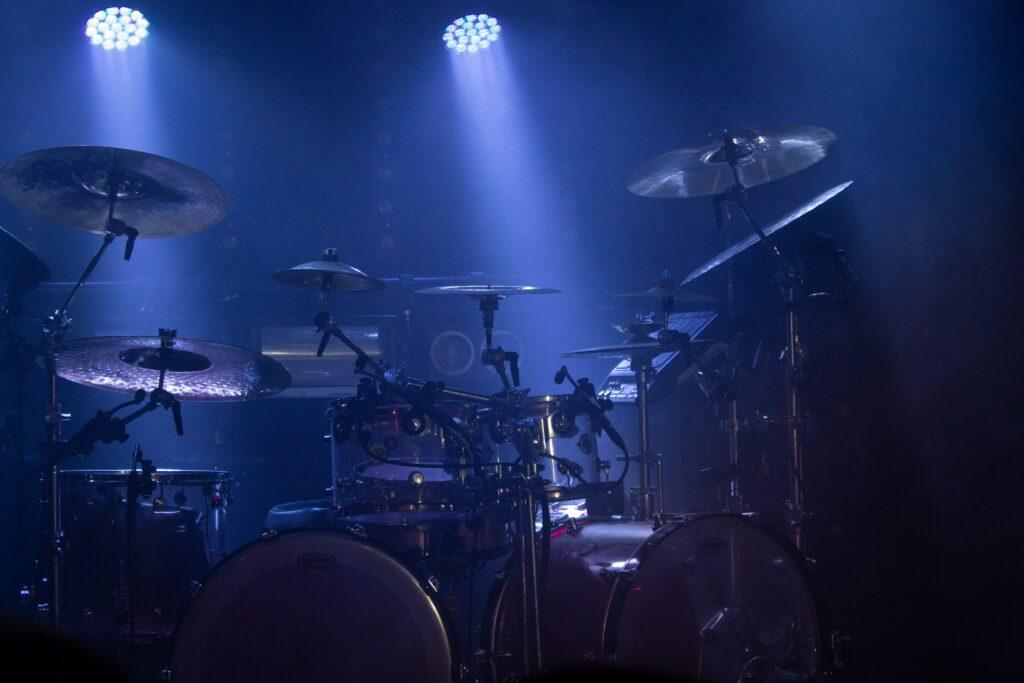
Factors That Impact a Successful Live Performance in Rock Music
Live performances in Rock Music can be an excellent way to connect with the audience and create a special atmosphere, but they require a lot of preparation to make sure they are successful. A few factors that significantly impact the success or failure of these live performances include the quality and type of equipment used, the skill level and musical talent of the performers, as well as the size and energy level of the audience.
Starting with equipment, it is important to invest in high-quality instruments, sound systems, and other gear in order to ensure that it will stand up to rigorous use during a live show. This is especially true for electric guitars and amplifiers; having the right combination of equipment can make or break a performance. Additionally, musicians need to have a certain amount of musical talent and skill in order to really bring their performance to life on stage; having competent performers who know how to work together is essential for a great show.
Finally, there also needs to be an audience that is invested in what’s happening onstage. Having an energetic crowd can make all the difference in setting up a memorable experience for both audience members and performers alike; conversely, if there’s no one engaged with what’s going on onstage then it won’t matter how well prepared everything else is.
In conclusion, live performances in Rock Music can be incredibly rewarding experiences if done right. In order for them to be truly successful however, it’s important for musicians and organizers alike to take into account all aspects involved – from equipment quality and setup, performer talent level, as well as audience size and energy levels – before putting on any kind of show.
Live performances in Rock Music can be an unforgettable experience if done right. With the right preparation and attention to detail, everyone involved can come away feeling inspired and connected through music – and that is truly something special! Now, let’s dive into the conclusion of this topic to explore the full potential of live rock performances.
Conclusion
Live performances in Rock Music are a great way to connect with the audience and create a special atmosphere. From investing in quality equipment to accruing skilled performers and having an energized audience, these elements come together to make for an unforgettable experience.
Moreover, live performances have become increasingly popular in North America due to the numerous aid concerts being put on by some of rock’s biggest stars such as Gene Simmons, Brian Wilson, Chad Smith, James Hetfield, Jimi Hendrix, Joe Walsh and Ray Charles. Furthermore, this form of entertainment has also been seen in various music festivals across the country ranging from pop songs to hard rock riffs.
Ultimately, live performances in Rock Music can be a truly magical experience if done right. With the right preparation and attention to detail, musicians and audience members alike can come away feeling inspired and connected through music – something that is invaluable for both sides of the stage!