
From the delta blues of Robert Johnson to the soaring electric guitar licks of Eric Clapton, there is an endless history of talented blues musicians that have left their mark on the music industry. The genre has been around for over a century and continues to evolve with each artist that takes up the mantle. If you’re looking to brush up on your knowledge of blues greats, then this article will provide you with the top five blues artists you need to know – from legendary icons to modern masters. So tune in your ears and get ready for a journey through some of the best blues sounds ever created!
The Purpose of this Article
This article is designed to introduce readers to some of the most iconic and talented blues musicians in history. From classic artists like BB King, Albert King, and Freddie King to modern-day blues masters such as Gary Clark Jr., Jeff Beck, and Etta James, this article will provide an overview of the key figures that have helped shape the genre. It will also offer insight into the various styles of blues music and its evolution over time, as well as explore how these artists have influenced each other and other genres of music. Through a combination of biographical information and discussion of their work, this article provides an introduction to the essential blues artists you need to know.
From the blues giants of the past to the modern-day masters, these iconic and talented blues musicians have shaped the genre, and their influence is still heard in music today. Come explore this fascinating history with us as we look at Eric Clapton, one of the most celebrated guitarists of all time.
1. Eric Clapton
Eric Clapton is an iconic blues musician considered one of the greatest guitarists of all time. Born in 1945, Clapton began his career playing with The Yardbirds before going on to become a member of Cream and Blind Faith. After these bands disbanded, Clapton embarked on a successful solo career that has spanned four decades. Throughout his career, he has demonstrated mastery of various blues styles, such as Chicago blues and Texas swing, as well as incorporating elements of rock and jazz into his music. His string of studio albums, including “461 Ocean Boulevard” (1974) and “Money and Cigarettes” (1983), have become classics of the genre.
In addition to being an incredible guitarist, Clapton has also been praised for his soulful vocals and songwriting skills. His influence on other musicians is undeniable; from Jeff Beck to John Mayer, countless artists have cited him as an inspiration. And with each new album or live performance, he continues to demonstrate why he’s considered one of the greatest guitarists in history.
Eric Clapton is an indisputable icon of the blues and one of the most influential guitarists in history. His mastery of various styles, soulful vocals, and songwriting skills have earned him legions of fans around the world. Stay tuned for more about his early career and successful studio albums!
Early Career & Successful Studio Albums
Eric Clapton’s early career saw him gain fame for his virtuosic guitar skills and soulful vocals. His work with The Yardbirds, Cream, and Blind Faith allowed him to hone his craft and develop a devoted fan base. After the dissolution of these bands, Clapton launched a successful solo career that has spanned four decades. In 1974 he released his debut album “461 Ocean Boulevard”, which featured the hit single “I Shot the Sheriff”. This success was followed up by 1983’s “Money and Cigarettes”, an album that marked a shift in Clapton’s sound towards a more pop-oriented style.
Throughout his decades-long career, Eric Clapton has consistently delivered studio albums that have become classics of the blues genre. His reputation as one of the greatest guitarists in history is well deserved, with each new album or live performance demonstrating why he holds such esteem amongst fans and peers alike. As an artist he continues to influence musicians from all genres, setting a high standard for blues musicians everywhere.
Notable Collaborations & Achievements
Throughout his illustrious career, Eric Clapton has collaborated with a number of renowned musicians. In 2004 Clapton teamed up with B.B. King to record the Grammy-winning album “Riding With The King”. This collaboration saw the two blues masters come together to create a timeless collection of classic blues songs. In addition to this, Clapton has also worked with the likes of Jeff Beck, John Mayer, and Gary Clark Jr., producing a number of acclaimed albums and live performances in the process.
Clapton’s achievements have been recognized by numerous awards throughout his lifetime. He is one of only three artists to be inducted into the Rock and Roll Hall of Fame three times, once as a solo artist and twice as part of the band. In 2006 he was awarded an honorary knighthood for services to music, becoming Sir Eric Clapton in the process. To this day he continues to influence musicians from all genres, setting a high standard for blues musicians everywhere.
Signature Guitar Style & Skills
Eric Clapton is renowned for his signature guitar style and skills. His blues-based guitar playing has been praised by many, and he is often cited as a major influence on other influential blues guitarists. His unique approach to the instrument combines intricate licks with powerful chords and melodic phrasing, allowing him to create complex patterns that are both engaging and memorable.
Clapton’s mastery of the instrument has resulted in some of the most iconic blues songs ever recorded. By combining traditional blues techniques with modern effects and tunings, Clapton created an unmistakable sound that can be heard in tracks such as “Crossroads” and “Layla”. His solos are characterized by their melodic structure and tasteful use of vibrato, adding an emotional depth to every performance.
To this day Eric Clapton remains one of the most respected figures in the world of blues music. His influence can still be heard in the music of artists such as Joe Bonamassa, John Mayer, and Gary Clark Jr., all of whom have been inspired by his unique approach to the instrument. It is no surprise then that Eric Clapton continues to be an inspiration for aspiring musicians everywhere.

2. B.B. King
B.B. King was an American blues musician and singer-songwriter who achieved international fame for his guitar playing and singing. During a career that spanned seven decades, he earned the nickname “The King of the Blues” due to his mesmerizing guitar solos, distinctive voice, and ability to capture emotion through song.
Hailing from Indianola, Mississippi, B.B. King began performing in nightclubs in the late 1940s before launching a recording career in 1951 with his debut album Singin’ The Blues. Throughout the 1950s he released several more studio albums which showcased his unique style of blues music featuring intricate guitar licks, powerful chord progressions, and emotionally charged vocals. His music would go on to influence many of the great blues artists that followed such as Eric Clapton and Stevie Ray Vaughan.
In addition to being an incredible musician, B.B. King was also a pioneer for civil rights in America during the 1960s when he refused to perform at segregated venues or events and spoke out about racial inequality whenever possible. In 1987 he was inducted into The Rock & Roll Hall of Fame for his significant contributions to blues music, making him one of only five African-American members at the time alongside Chuck Berry, Little Richard, James Brown, and Ray Charles respectively.
Today B.B King is remembered as one of the greatest blues musicians ever; a masterful guitarist whose musical legacy continues to inspire generations of aspiring players worldwide
B.B. King’s influence on blues music, and the impact he had on civil rights, cannot be understated. He was an icon who will forever be remembered as one of the greatest blues musicians of all time. And now, let’s take a look at B.B. King’s life and career to find out what made him so iconic.
Life and Career
B.B. King was an American blues artist and singer-songwriter who earned the nickname “The King of the Blues” due to his remarkable guitar solos, distinctive voice, and ability to capture emotion through song. During a career that spanned seven decades, he released several studio albums which showcased his unique style of blues music featuring intricate guitar licks, powerful chord progressions, and emotionally charged vocals.
In addition to being an incredible musician, B.B. King was also a pioneer for civil rights in America during the 1960s when he refused to perform at segregated venues or events and spoke out about racial inequality whenever possible. His efforts did not go unrecognized; in 1987 he was inducted into The Rock & Roll Hall of Fame for his significant contributions to blues music, making him one of only five African-American members at the time alongside Chuck Berry, Little Richard, James Brown, and Ray Charles respectively.
Today B.B King is remembered as one of the greatest blues musicians ever; a masterful guitarist whose musical legacy continues to inspire generations of aspiring players worldwide
Hit Singles, Albums, & Awards
Throughout his career, B.B. King had numerous hit singles, including “The Thrill is Gone,” “Every Day I Have the Blues,” and “Rock Me Baby.” He also released several studio albums, such as Live at the Regal (1965), Indianola Mississippi Seeds (1970), and Deuces Wild (1997). In addition to his musical accomplishments, he was also awarded multiple honors including 15 Grammy Awards, a Lifetime Achievement Award from The Recording Academy in 1987, and he was inducted into the Rock & Roll Hall of Fame in 1987. Beyond this, he was also a recipient of the Kennedy Center Honors in 1995 and received a star on the Hollywood Walk of Fame in 1990.
His Signature Lucille Guitar
B.B. King was known for his signature guitar, Lucille. He named the guitar after a woman he met at a dance hall in Arkansas, and the story behind this name has become part of the blues legend. In the 1950s, two men got into an argument over her and started fighting, knocking over a barrel of kerosene that was used to heat the hall. The ensuing fire caused everyone to evacuate but B.B., who quickly ran back inside to save his beloved instrument from the blaze. Afterward, he found out that the argument had been over Lucille, which inspired him to name his treasured guitar after her as a reminder of how fragile life could be and how important it is to take care of what matters most.
3. Albert King
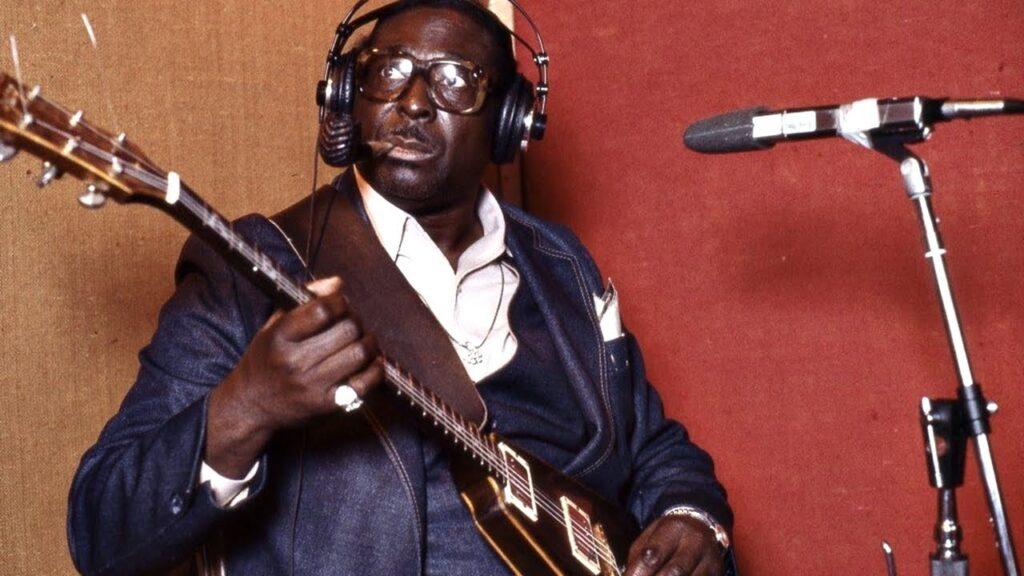
Albert King was an influential figure in the blues scene of the 1950s and 60s, with a unique style that blended elements of traditional blues and jazz. He was known for his powerful guitar playing and distinctive vocal delivery, creating a sound all his own. He released several studio albums during his career and became popular amongst blues fans for his raw and passionate take on the genre. His studio debut album, Born Under A Bad Sign, showcased his signature guitar style and is considered one of the greatest blues albums ever recorded. Albert King’s influence continues to this day, impacting countless musicians like Eric Clapton, Jeff Beck, Etta James, Bonnie Raitt, Chuck Berry, Gary Clark Jr., John Mayer, and Eric Gales who have all cited him as an inspiration. His distinct approach to the instrument has been integral in shaping the modern blues sound we know today.
Albert King was not only an icon of the blues scene but also a pioneer in his own right. He left behind a powerful legacy that continues to inspire musicians around the world today. But what led him to such extraordinary success? Stay tuned for the next section to find out about Albert King’s Early Life and Career Pathway!
Early Life & Career Pathway
Albert King was born on April 25th, 1923 in Indianola, Mississippi. He began his career as a musician at the age of 16 when he bought his first guitar. Although he was mostly self-taught, Albert King was able to develop an impressive set of guitar skills and quickly gained popularity among local blues audiences.
He moved to St Louis in 1953 and started performing with popular blues players including Little Milton and Johnny Ace. His unique sound began to emerge during this period, and soon enough he had become one of the most sought-after acts on the blues circuit. In 1967, Albert King released his debut album Born Under A Bad Sign which brought him national acclaim and propelled him into stardom. He went on to release several more studio albums throughout the 70s and 80s before retiring from music in 1989.
Throughout his career, Albert King received numerous awards for his contribution to the blues scene including being inducted into both the Blues Hall of Fame and the Rock & Roll Hall of Fame. His influence continues to be felt today through countless musicians who have cited him as an inspiration for their own work. Albert King’s legacy as one of the most influential American blues musicians will live on forever in our hearts and minds.
Musical Influences & Genres He Pioneered
Albert King was an incredibly influential blues musician who pioneered a unique style of guitar playing. His signature sound combined elements of Memphis and Chicago blues, jazz, and soul music to create something distinctively his own. He incorporated a wide range of musical influences into his work, from gospel to funk. This gave him the ability to appeal to both younger and older audiences alike. His skillful use of string bends and vibrato made him one of the most recognizable guitarists in the genre.
King’s influence can be heard in countless recordings by other blues musicians who have followed in his footsteps. Many artists such as Eric Clapton, Jeff Beck, and Gary Clark Jr have cited Albert King as an inspiration for their own work. His influence can also be seen in other genres, with both rock and country artists drawing upon his style when creating their own records. Albert King’s impact on music is undeniable and he will continue to be remembered by both fans and musicians alike for many years to come.
His Signature Flying-V Guitar Design
Albert King was a renowned blues musician who was known for his unique guitar-playing style and signature flying-V guitar design. Albert King’s iconic Flying-V guitar was one of the first electric guitars with a distinct shape, giving it an instantly recognizable look. The unusual design of this instrument enabled him to easily access higher notes than other guitars of its time, as well as allowing him to use a range of different techniques when playing. This gave him the ability to create a wide variety of sounds that could not be achieved on traditional guitars.
He used his custom Flying-V extensively during live performances and recordings, showcasing his skillful use of vibrato and string bends. Due to its distinctive shape, the Flying-V has become synonymous with Albert King’s name and is now widely regarded as one of the most iconic electric guitars in music history. His influence can still be seen today in many modern records by popular blues musicians, who often emulate his sound when creating their own music. Albert King’s legacy will continue to inspire generations of blues fans and musicians alike for many years to come.
4. Freddie King
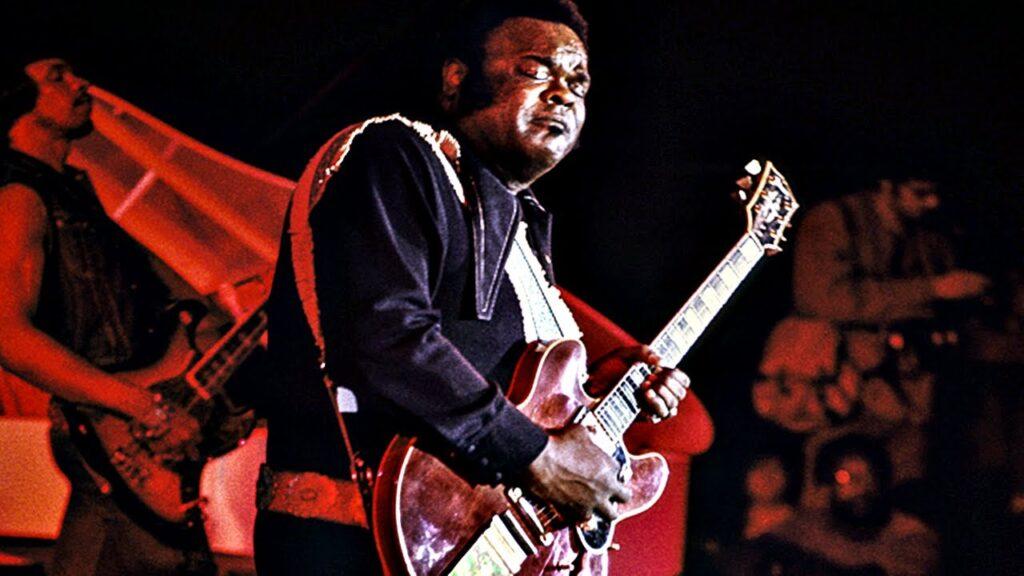
Freddie King was an American blues guitarist and singer, considered by many to be one of the greatest blues guitarists of all time. Born in Texas in 1934, Freddie King developed his own unique style of playing after being influenced by the likes of T-Bone Walker and Lonnie Johnson. His sound blended elements from both country and jazz, creating a unique mix that earned him the nickname ‘The Texas Cannonball’.
King’s career began in the late 1950s with a number of singles released on small record labels. His debut album ‘Hide Away’ (1961) helped establish him as an up-and-coming blues star. He continued to release popular albums throughout the 1960s and 1970s, including ‘Let’s Hide Away & Dance Away With Freddy King’ (1966), ‘Getting Ready…’ (1972), and ‘Burglar’ (1974). His live shows were renowned for their energy, with King often showcasing his incredible guitar skills with blistering solos.
In addition to being a talented musician, King was also a major influence on other blues guitarists such as Eric Clapton and Jeff Beck. After his death in 1976, he was posthumously inducted into both the Rock & Roll Hall of Fame and the Blues Foundation Hall of Fame in 2013. Today, Freddie King is remembered as one of the most important figures in the history of American blues music.
Freddie King will forever be remembered as a pioneer of American blues music, and his legacy continues to inspire guitarists around the world. Next up, we explore the early life and musical beginnings of this Texas Cannonball.
Early Life and Musical Beginnings
Freddie King was born in Gilmer, Texas in 1934. He was raised by his mother and stepfather in a musical household, with both of them having an appreciation for blues music. His family had a guitar that Freddie learned to play at an early age, teaching himself how to play after listening to records of influential blues artists such as T-Bone Walker and Lonnie Johnson.
In 1953, King moved to Chicago with hopes of launching a musical career. After playing at various clubs around the city, he was eventually noticed by Chess Records and signed a record deal in 1960. Following the release of his debut single ‘Have You Ever Loved A Woman’, King went on to achieve success throughout the 1960s and 1970s. His unique blend of country and jazz influences earned him the nickname ‘The Texas Cannonball’.
King’s success not only placed him among the greats of American blues music but also influenced later generations of blues guitarists such as Eric Clapton and Jeff Beck. Moreover, King’s influence continues to be felt today through his timeless recordings and live performances that remain beloved by fans all over the world.
Successful Studio Albums and Hit Singles
Throughout his career, Freddie King released several studio albums that were met with great critical and commercial success. His first two albums, 1960’s ‘Hideaway’ and 1961’s ‘Let’s Hide Away and Dance Away with Freddy King’ both charted in the Billboard Top 100 Albums. The former was certified gold by the RIAA in 1992.
King’s third album ‘Bossa Nova and Blues’ was released in 1964 and is widely regarded as one of his best works. It featured hits such as ‘I’m Tore Down’ and ‘San-Ho-Zay’. His next album, 1965’s ‘My Feeling for the Blues’, was also well-received and spawned hit singles like ‘The Stumble’ which quickly became a staple of blues radio playlists.
In addition to his studio albums, King also released a number of live recordings to great acclaim. His 1975 live album ‘Live at the Electric Ballroom’, which featured performances from legendary blues artists such as Albert King and Chuck Berry, was awarded a Grammy Award for Best Traditional Blues Recording at the 19th Annual Grammy Awards ceremony in 1977.
Freddie King’s music has stood the test of time – his influence on rock music continues to be felt today through his classic recordings and unforgettable live performances.
5. Robert Johnson
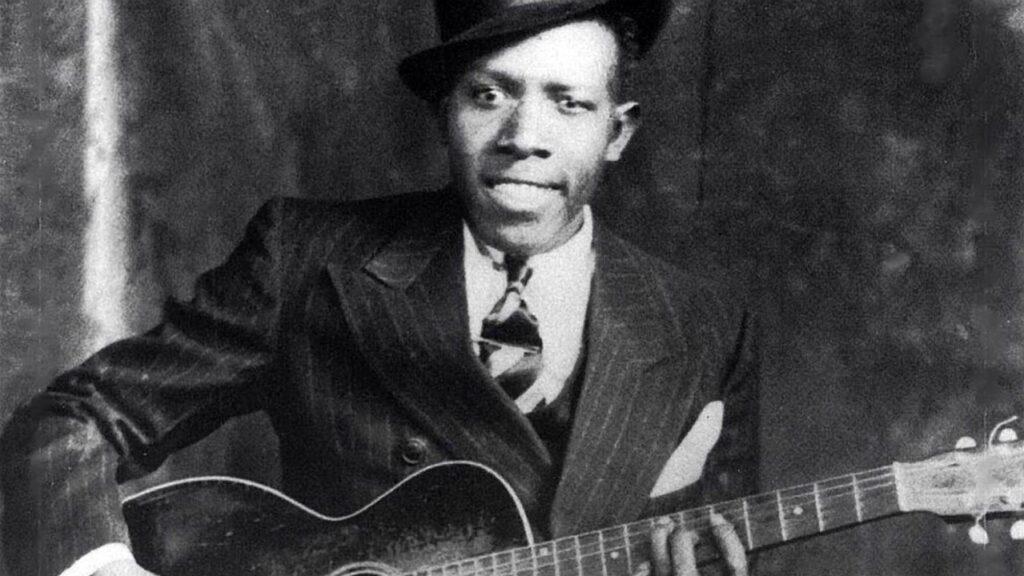
Robert Johnson is considered one of the most influential blues musicians of all time. His brief musical career in the late 1920s and early 1930s produced a small but powerful catalog of songs that have since become classics in the genre. Johnson’s unique blend of Delta blues, country, and gospel was unlike anything heard before and helped shape the sound of modern blues music.
Born in 1911 in Hazlehurst, Mississippi, Johnson taught himself to play guitar at an early age. His first recordings were made at legendary producer Ernie Oertle’s studio in San Antonio, Texas in 1936. He released only 29 songs during his lifetime – two singles and five sets of tracks for Vocalion Records – but his influence has been far-reaching. Songs like ‘Cross Road Blues’, ‘Love In Vain’, and ‘Sweet Home Chicago’ are now considered staples of American blues music.
Johnson’s untimely death at age 27 only added to his mystique as a musician. While it is unclear how he died, some speculate it was due to poisoning by a jealous husband or drinking bad moonshine whiskey. Whatever the cause, Johnson left behind a legacy that continues to this day – inspiring countless generations with his passionate playing and timeless songs.
Robert Johnson’s brief but ground-breaking career influenced the sound of blues music for generations to come. His legacy is immortalized in his timeless songs and will continue to inspire future generations. And now, let us explore the origins of this beloved genre that was shaped by Robert Johnson and others like him.
Origins of the Blues Genre
The origins of the blues genre can be traced back to the late 19th century in the southern United States. The music was born out of a mixture of African American spirituals, work songs, and traditional folk music. It was heavily influenced by European-American hymns and gospel which was popular at the time. The blues also drew influence from West African music, particularly rhythms, and melodic patterns.
The most recognizable form of blues is known as “Delta” or “Mississippi Delta” blues, which originated in the Mississippi Delta region and featured a solo singer accompanied by slide guitar. This style was pioneered by notable musicians such as Charley Patton and Son House, who are widely considered to be among the first true blues artists. Other notable early figures include Blind Lemon Jefferson, Lonnie Johnson, and Big Bill Broonzy who helped shape the genre with their unique styles.
Today, there are many different subgenres of blues including Chicago Blues, Country Blues, Electric Blues, and even Jazz-influenced Blues. All these forms owe their existence to those original pioneers who created this vibrant musical genre over a century ago. Even today it continues to evolve while staying true to its roots – providing a sound that has captivated fans around the world for generations.
Legendary Status in Music History
Music has a long and storied history, and some of the most beloved musicians are those who have achieved legendary status. These figures in music history are renowned for their talent and influence, and their legacies continue to inspire generations of new artists.
Eric Clapton is one such example. His career spans more than five decades, during which time he released dozens of studio albums, won multiple Grammy awards, and created timeless classics like “Layla” and “Tears in Heaven.” As a guitarist, his dexterous playing style made him an icon, inspiring countless guitarists that followed him.
BB King was another legendary blues musician whose influence can still be felt today. He released over 50 records during his lifetime, including the classic tune “The Thrill Is Gone” which remains a staple of the blues genre. His smooth vocal style combined with masterful guitar playing earned him the title ‘The King Of The Blues’ – a title that remains unrivaled to this day.
Albert King was another groundbreaking blues artist known for his powerful voice and inventive guitar playing that pushed boundaries within the genre. He released dozens of albums throughout his career, many of which are now considered blues classics thanks to tracks like “Crosscut Saw” and “Born Under A Bad Sign.” His influence on later generations of blues musicians is undeniable – proving that true legends never fade away.
Conclusion
Even though blues music has been around for decades and its influence can be heard in many different genres, there are some artists who have achieved legendary status within the genre. BB King, Albert King, and Eric Clapton are three of the most renowned blues musicians whose influence has been felt throughout music history and inspired countless new generations of artists. Each musician was unique in their own way – from BB King’s smooth vocals to Albert King’s inventive guitar playing – but they were all united by their passion for the blues. Their legacies will continue to be celebrated for years to come, preserving classic blues standards and inspiring new talent that follows them.