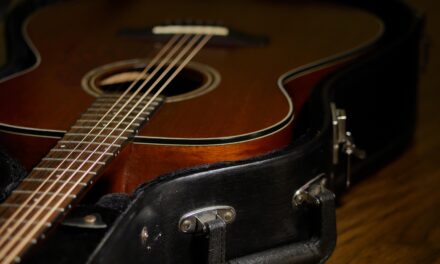
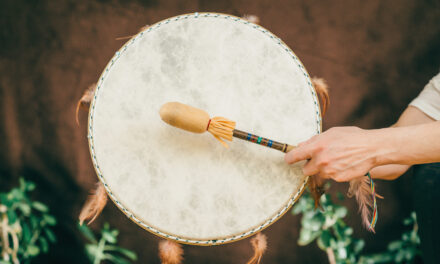
From the calming sound of a flute to the driving beat of a drum, music is an integral part of human life. For centuries, musical instruments have been used as tools for expression and communication across all cultures. What began as primitive noise-making devices have evolved into sophisticated instruments capable of producing complex sounds and rhythms. In this paper, we will explore the history and importance of musical instruments in society, from ancient civilizations to our modern world.
Definition of Musical Instruments
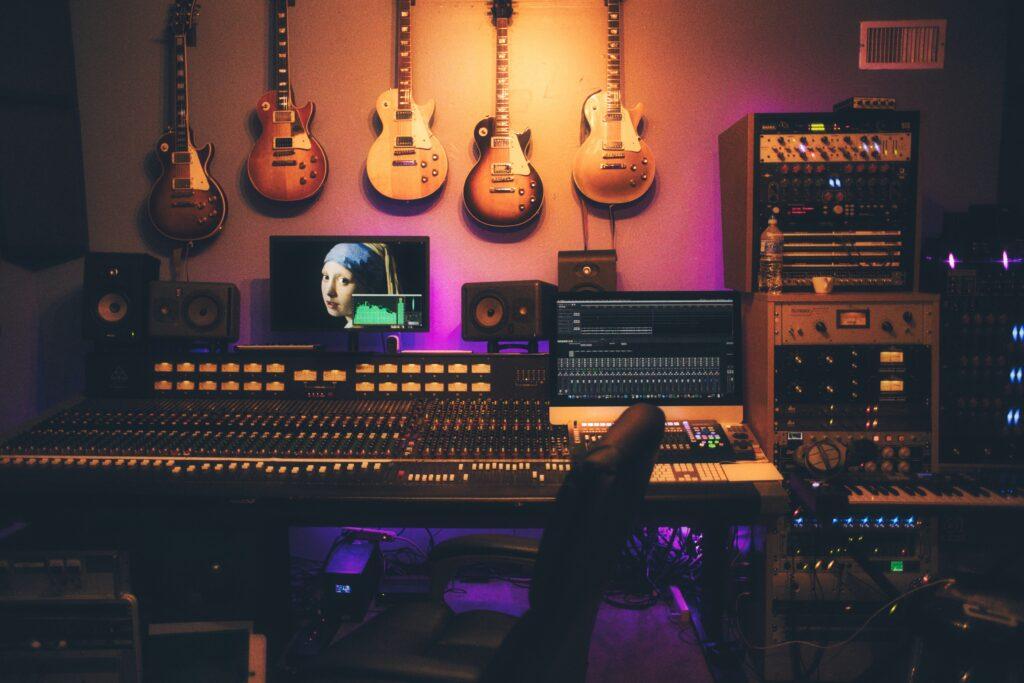
Musical instruments are tools or objects used to create sounds of different pitches, rhythms, and dynamics. This can include stringed instruments such as the violin and guitar, keyboard instruments like the piano and organ, woodwinds like the flute or clarinet, brass instruments such as the trumpet or trombone, percussion instruments such as drums and cymbals, wind instruments like the saxophone or oboe, and other unique sound makers like shakers and bells. All of these have been used throughout human history to express emotion, set a mood for a ceremony or gathering, accompany vocal performances, or simply entertain.
History of Musical Instruments
The history of musical instruments dates back to early civilizations and has evolved over time, with new instruments being created through technological advances. The development of instruments like the piano and electric guitar revolutionized music and allowed for endless possibilities in musical expression. This history showcases the creative and innovative nature of human beings in their desire to create beautiful sounds and music.
Early Human Instrument Use
Early humans created music with the resources available to them. This included instruments such as drums, rattles, flutes, and horns made out of animal bones, wood, and stone. Such instruments have been found in ancient cultures all over the world. For example, bone flutes dating back 40,000 years ago have been discovered in Germany. In East Asia, bronze bells from the Shang Dynasty (c. 1600-1050 BC) provide an insight into musical practices during that time. Percussion instruments were also widely used across many cultures and often served important social functions such as signaling danger or calling people to a gathering.
Ancient Civilizations’ Instruments
Throughout the ages, ancient civilizations have developed unique instruments that reflect their cultural values. In Southeast Asia, instruments like the Klong put and ranat ek are still widely used in traditional music and dance. The Klong put is a xylophone made of wooden bars set over bamboo resonators, while the ranat ek consists of two long sticks that are struck together to create a rhythmic beat. In Arabia, stringed instruments like the oud and qanun were popular during medieval times and remain an integral part of Arabic music today.
Similarly, in Europe, the 16th century saw a surge in the popularity of keyboard instruments such as harpsichords, organs, and clavichords. These instruments had evolved from earlier versions created by Bartolomeo Cristofori in Italy around 1700 CE and were often used to accompany religious ceremonies or performances of beautiful music at court.
Medieval European Instruments
Medieval European instruments have a long and varied history. Wind instruments, such as the shawm and recorder, were popular in the Middle Ages. These woodwind instruments were played by both professional musicians and amateurs alike, providing accompaniment for dances, processions, and other festivities. Stringed instruments also featured prominently in Medieval Europe; the lute was especially popular during this period. This fretted instrument was typically played solo or with a small ensemble of musicians. Percussion instruments such as drums, tambourines, bells, and cymbals were also used to create rhythm and texture in musical performances.
In the 15th century, brass instruments began to gain popularity in Europe. Trumpets and horns made from animal horns or copper tubing became important components of military bands and outdoor music making. By the 18th century, these wind instruments had become standard in symphony orchestras across Europe. In addition to being used for classical music performances, they were also an integral part of folk music traditions throughout the continent.
Although Medieval European instruments may have evolved over time, they have remained an important part of human culture for centuries. From Renaissance dances to modern symphonies, these ancient tools continue to provide inspiration for today’s musicians.
Development of Modern Instruments
The development of modern instruments has been a long and fascinating process. In the late 17th century, Italian musician Bartolomeo Cristofori invented the first successful keyboard instrument, the harpsichord. This invention revolutionized the way music was performed and opened up new possibilities for composers. In the 19th century, advances in technology allowed for the development of even more complex instruments such as the piano, which quickly became a staple of classical music performance.
In addition to Western musical instruments, many traditional folk instruments from around the world have seen a resurgence in popularity in recent years. Instruments such as tablas from India, koto from Japan, and saz from Southeast Asia are now being used by musicians from all corners of the globe to create beautiful music.
Technological Advances in Instrument Production and Design
The last century has seen a revolution in instrument production and design with advances in technology allowing for more complex and sophisticated instruments than ever before. From digital keyboards to virtual instruments, modern musicians have access to a range of tools that can dramatically enhance their performances.
Computer-aided design (CAD) has allowed engineers and designers to create instruments that wouldn’t be possible without the help of computers. CAD systems allow for faster prototyping, which means that changes can be made quickly and easily when needed. This has resulted in some truly revolutionary designs such as the OASYS keyboard from Korg, which incorporates over 1,000 sounds into one single instrument.
In addition to being able to create increasingly sophisticated instruments, technological advances in production techniques have also allowed for cheaper mass-produced instruments. This has opened up the possibility for people of all backgrounds to play music, regardless of income or location.
Types of Musical Instruments
There are different types of musical instruments, including traditional, electronic, wind, stringed, percussion, keyboard, and folk/ethnic instruments. Each type has its own unique sound and playing style, and they are all important in the world of music.
Traditional Instruments
Traditional instruments have been used for centuries in cultures around the world, providing a unique sound and style that cannot be replicated with modern instruments. They were often used in religious ceremonies and had spiritual significance. Today, traditional instruments are still an important part of cultural heritage and are commonly used on special occasions. They also offer an important window into different cultures and their musical histories, allowing us to experience musical styles from hundreds of years ago while evolving them for a modern audience.
Electronic Instruments
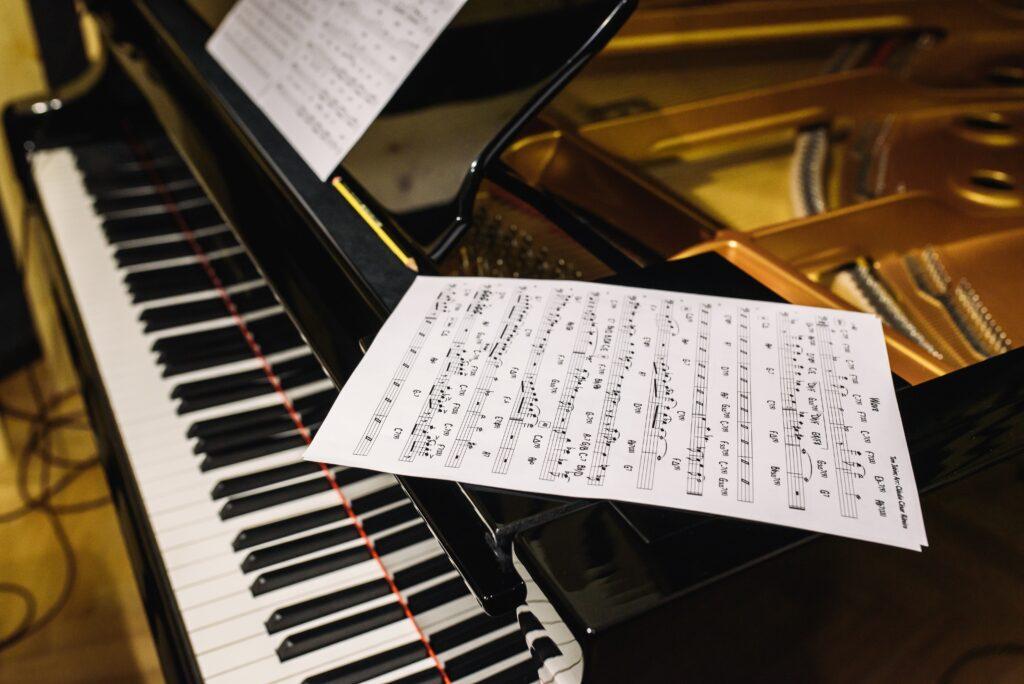
Electronic instruments have become essential in modern music production, offering a wide range of sounds and capabilities that traditional instruments cannot match. Their history dates back to the 18th century, and by the 20th century, they had become commonplace in recording studios and on stages. Today, they are ubiquitous in live performances and clubs, providing limitless possibilities for experimentation and allowing musicians to create any genre of music. Electronic instruments are also versatile and portable, making them perfect for any musician looking for creative expression without limitation.
Wind Instruments
Wind instruments have been used throughout history to create beautiful music and are essential for musicians looking to add an extra dimension of expression to their craft. They were first made from animal horns and used in ancient Southeast Asian civilizations for both religious ceremonies and entertainment. By the 15th century, woodwind and brass instruments had become popular in Europe, and in the 19th century, wind instruments had become commonplace in orchestras around the world. Today, wind instruments like French horns and trombones are staples of symphonies and jazz bands.
Stringed Instruments
Stringed instruments have a long history dating back to ancient times and have evolved into more complex forms like violins and guitars. They have become essential components in orchestras and continue to be used in various music genres today.
Percussion Instruments
Percussion instruments have been used for centuries to create rhythm and tempo in music. The variety of percussion instruments has expanded over time, with different cultures using different types of drums and bells. Percussion became integral to Western music in the 19th century, and today it is still popular in many genres such as rock, jazz, and Latin music.
Keyboard Instruments
Keyboard instruments have a long history dating back to the 15th century, and were used in religious ceremonies and royal courts. They have evolved over time and now include modern synthesizers. They are widely used in various genres of music and can be played solo or with other instruments to create a range of sounds and moods desired by musicians.
Folk or Ethnic Instruments
Folk and ethnic instruments are used in many cultures around the world to express emotions and create a sense of community. They are often made from natural materials and are seen as symbols of cultural identity. These instruments have gained popularity in recent years and can be heard in various genres of music today. Exploring these instruments can help us appreciate the diversity of our musical culture and learn more about our shared human heritage.
Utilization of Musical Instruments in Society
Music and musical instruments have played a significant role in society since ancient times. They are used to express culture, mark important occasions, entertain, educate, and promote healing. Music has also been used as a tool for education and therapy, improving cognitive abilities and emotional well-being. The use of musical instruments has brought people together and provided a means of artistic expression that transcends cultural and linguistic barriers.
Music as an Expression of Culture and Identity
Music has long been an integral part of human culture and identity. It is a way for people to express their feelings, beliefs, and values in a creative way. From traditional folk songs to modern pop music, musical styles have evolved over time to reflect the unique cultural background of each society.
For example, traditional African music incorporates rhythms, melodies, and instruments that are unique to the continent. Similarly, Latin American music is heavily influenced by Spanish and Indigenous cultures. Music can also be used as a form of protest against social injustice or as a way to bring communities together in celebration.
Whether it’s singing an old hymn in church or dancing at a club on Saturday night, music will always be a powerful expression of culture and identity. It can unite us with our past while helping us connect with one another in the present moment. Music has the power to bring joy into our lives and give us strength in difficult times.
Role of Music in Ceremonial Events
Music has an important role in many ceremonial events, such as religious ceremonies or weddings. Whether it’s a gentle hymn sung in a church or lively music played at a traditional celebration, music is often used to set the tone and help create a special atmosphere.
Throughout history, music has been used to mark important milestones in our lives. In many cultures, musical instruments were used to signify the start of a new stage of life. For example, when girls in Southeast Asia reach adulthood they are presented with their own gong which is used during their coming-of-age ceremony.
In other cultures, music has served an important role in religious ceremonies. Ancient Jews used animal horns to call people to prayer while Muslims practice Dhikr, which combines chanting and rhythmic drumming for spiritual purposes.
Use of Music and Instruments to Entertain, Educate, and Heal
Music and musical instruments have been used for centuries to entertain, educate, and heal people. Music can be used to evoke emotions, inspire creativity, and express ideas. It has the power to bring people together in joyous celebration and create a shared experience of emotion.
Instruments such as violins, flutes, harps, drums, and other percussion instruments have been used since ancient times to create music. In particular, stringed instruments like lutes were popular in the 16th century while keyboard instruments like pianos were popularized during the 18th century by Italian inventor Bartolomeo Cristofori.
In addition to providing entertainment, music has also been used for educational purposes. For example, Arab musicians use musical scales as a way of teaching mathematics while some Native American tribes use songs as part of their language courses.
Lastly, music has also been used for healing purposes throughout history with many cultures believing it can help reduce pain or stress levels. The soothing sounds of certain instruments like harps or gongs can help calm anxiety and induce relaxation in its listeners.
Conclusion
Music is an integral part of our lives, whether it’s enjoyed in the form of a symphony, an upbeat pop song or simply humming a tune. It has been used for centuries to entertain, educate and heal people from all walks of life. Instruments such as violins, flutes, and drums have been around since ancient times and continue to captivate audiences today. Music evokes emotions, inspires creativity, and can bring people together in joyous celebration. It is clear that music serves an important role in our culture and will remain so for generations to come.