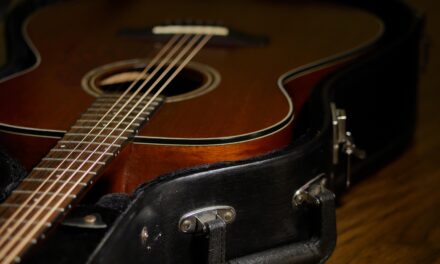
Music has the ability to take us on a journey, evoking different emotions and inspiring us in different ways. Whether it’s the classic sounds of a grand piano, or the thumping beat of an EDM track, instruments play a vital role in creating music across many genres. From traditional folk to electronic dance, we will explore how instruments are used in various musical genres and discover examples of how these instruments bring life to the music. So join me as we dive into the fascinating world of music and its accompanying instruments!
Definition of Music Genres
Music genres are categories of music that share a certain style or sound. They are often defined by their instrumentation, tempo, and overall musical structure. Examples of popular music genres include rock, pop, jazz, blues, hip-hop, classical, country, and folk. Each genre has its own distinct characteristics and style which are embraced by the fans of the genre. Music fans often have preferences for particular genres due to their personal taste in music. These preferences may be based on the type of instrumentation used in the genre or on the mood created by the music. For example, a fan of classical music might be attracted to its intricate orchestral arrangements while a fan of rap might enjoy its hard-hitting beats and lyrics.
Instruments play an important role in creating different types of music as each one is unique in its ability to create sounds and evoke emotions. Different instruments can be used to create various textures and timbres which help define different genres of music. Some genres rely heavily on instruments such as electric guitar for rock or strings for classical while other genres such as EDM have no instrumental components at all. Ultimately it is up to the artist’s creativity in how they use instruments that will determine what genre they create and how successful it will be with listeners.
No matter what genre of music you prefer, there is something for everyone to enjoy. From the intricate orchestral arrangements of classical music to the hard-hitting beats of rap, instruments and creativity play a crucial role in defining genres. Get ready to explore traditional music genres next, where you can discover the origins and rich history behind some of your favorite songs!
Traditional Music Genres

Traditional music genres are those that have been around for centuries and are considered classic or timeless. These genres include baroque, classical, jazz, blues, folk, and country. Each of these genres has its own distinct sound which is created by the use of specific types of instruments. For example, classical music typically consists of an orchestra with a wide variety of stringed instruments such as violins and cellos while jazz often features a combination of brass instruments such as trumpets and saxophones. In folk music, acoustic guitars are usually used to create a more traditional sound while electric guitars can be found in some contemporary forms.
The use of different instruments helps define the style of each genre and gives it its own personality. It also allows musicians to explore new sounds and innovations that can become part of the genre’s identity. This can be seen in the works of greats such as Louis Armstrong who introduced elements from other genres into jazz which made it more popular with wider audiences. The unique sounds produced by these traditional music genres continue to captivate audiences around the world even today and will likely remain popular for many years to come.
Traditional music genres are timeless, captivating audiences with their unique sounds and innovations. As we explore the different instruments used in each genre, we can gain a better understanding of how these sounds were created and why they remain popular today.
Types of Instruments Used
The type of instruments used in a musical genre can play a large role in defining its sound. Different genres have their own unique set of instruments that help create the classic sounds associated with them. For example, classical music typically relies on stringed instruments such as violins and cellos while jazz often features brass instruments such as trumpets and saxophones. Folk music is traditionally created with acoustic guitars while electric guitars are sometimes used in modern forms. Rap music commonly uses electronic instruments to create beats and sounds.
Instruments can also be combined to create new variations within a single genre. This hybridization of two or more styles has allowed for the innovation of new sounds and styles, making it easier for musicians to express themselves. Furthermore, modern technology has opened up even more possibilities for creating and mixing different types of instruments to produce truly unique sounds.
Overall, the use of various instruments helps define the style and personality of different musical genres, allowing for creativity and expansion within each one. Music lovers around the world continue to be captivated by these sounds which are ever-evolving due to the incorporation of new technologies and ideas from other genres.
Examples of Traditional Music Genres
Traditional music is the term used to refer to music that has been around for centuries, and includes genres from all regions of the world. These traditional genres are typically characterized by their use of acoustic instruments and often reflect regional or cultural influences.
In Europe, traditional music is diverse and encompasses a variety of styles. Some examples include folk music from Ireland, Scotland and England, as well as classical music from Germany, Spain, Italy and France. Traditional forms of jazz such as ragtime and New Orleans style also originated in Europe during the 19th century.
In Asia, the most popular traditional genres include gamelan music from Indonesia, shakuhachi flute playing in Japan, sitar playing in India and Chinese opera. African traditional music incorporates drums and other percussion instruments along with vocal melodies to create an upbeat sound. Other popular African genres include mbaqanga from South Africa and juju from Nigeria.
In Latin America, there are many different types of traditional musicians who blend European musical elements with indigenous rhythms to create unique sounds. Examples include mariachi bands from Mexico, samba from Brazil and salsa from Cuba.
No matter where it originates from, each type of traditional music has its own unique characteristics that make it unique in sound and style. Whether you’re interested in listening to lively Irish fiddle tunes or soulful Indian ragas, you can find something intriguing within each genre’s rich history of musical influence.
Classical Music Genre
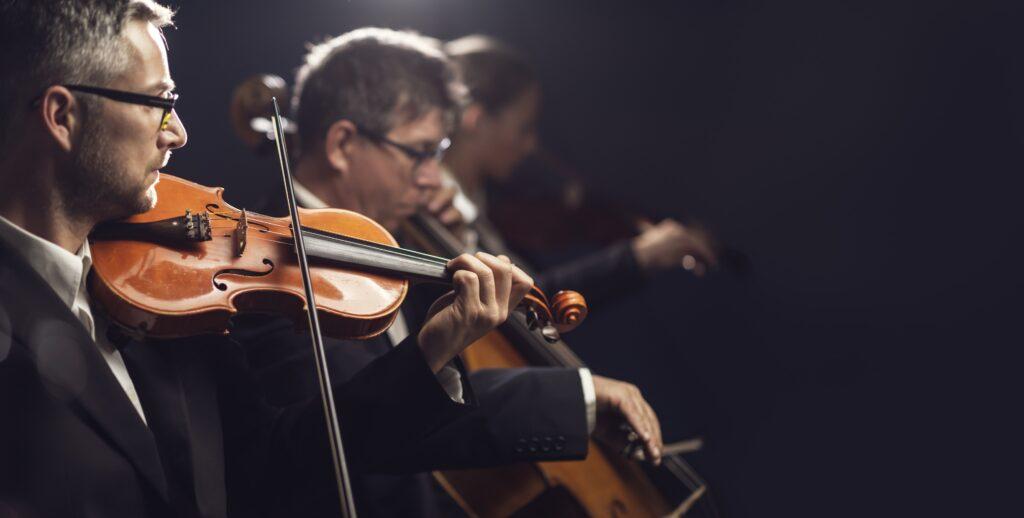
Classical music is a genre of music that has been around for centuries, and it is often characterized by its complexity and formality. This genre of music evolved from the Baroque period in the 17th century and encompasses a wide variety of musical styles.
Classical music can be broken down into three distinct periods: Baroque, Classical and Romantic. During the Baroque period, composers such as Bach, Handel, Vivaldi and Telemann wrote works for large orchestras using traditional instruments such as strings, woodwinds and brass. In the Classical period, composers such as Haydn, Mozart and Beethoven combined these orchestral elements with more intricate forms and structures to create symphonies and concertos. The Romantic period saw an emphasis on expression in compositions by composers like Brahms, Tchaikovsky and Wagner.
In addition to orchestral pieces, classical music also includes solo compositions for instruments such as piano, violin or cello. These pieces are often composed in sonata or suite form with multiple movements within each work. Other popular forms include minuets, waltzes, marches and choral works.
No matter what type of classical composition you’re listening to – whether it’s a lively waltz by Chopin or a dramatic overture by Beethoven – there is something captivating about this timeless genre of music that continues to inspire audiences today.
Classical music is a genre of timeless beauty that has stood the test of time, and continues to be loved and appreciated by audiences today. Get ready for a deep dive into the types of instruments used in classical music!
Types of Instruments Used
The type of instruments used in classical music is just as varied and diverse as the genre itself. The most common instrument used in classical compositions is the piano, which can be heard in solo pieces, concertos and symphonies. Other popular instruments include string instruments such as the violin, viola, cello and double bass. Woodwinds such as flutes, oboes, clarinets and bassoons are also often used to create a richer sound for larger works. Brass instruments like trumpets, trombones and French horns are also employed to add gravitas and drama to pieces.
In addition to these traditional orchestral instruments, some composers have experimented with electronic instruments such as synthesizers or even computers to create unique sounds. This has become an increasingly popular way of producing classical music that has a more contemporary feel while still retaining its timeless qualities.
No matter what type of instrument you’re listening to – whether it’s a lively waltz played on a violin or a dramatic overture performed on a keyboard – there is something captivating about this timeless genre of music that continues to inspire audiences today.
Examples of Classical Music Genres
Classical music is a broad and diverse genre encompassing many different styles and genres. The most popular classical music genres include Baroque, Classical, Romantic, Impressionist, Modern, Contemporary and Avant-Garde. Each of these musical genres has its own unique sound and characteristics that distinguish it from the others.
Baroque music is characterized by its ornate counterpoint and complex harmonies. It was composed between 1600-1750 by such greats as Bach, Handel and Vivaldi. Classical music was written in the 18th century by Mozart and Beethoven who developed the sonata form which is still used today. Romantic works evoke strong emotions through their lyrical melodies while Impressionist compositions usually feature shorter forms with repeating motifs. Modern classical works are often highly technical and abstract in nature while Contemporary pieces tend to be more tonal or accessible to listeners. Finally Avant-Garde compositions can range from extremely experimental to more traditional or even harmonic works.
No matter what type of classical music you’re listening to – whether it’s a lively waltz played on a piano or a dramatic overture performed on an orchestra – there is something captivating about this timeless genre of music that continues to inspire audiences today.
Pop/Rock/Rap Music Genre

Pop, Rock and Rap music are some of the most popular genres of music in the world today. These three styles have been around for decades and have evolved over time to become the musical force they are today. Pop is defined as a genre of popular music that has catchy melodies and is generally considered lighthearted and easy to listen to. Rock is characterized by loud guitars, distorted sounds, and strong drums that create an energetic soundscape. Rap has its roots in African American culture and is often seen as a form of poetry over beats or instrumentals.
No matter what type of Pop, Rock or Rap you’re listening to – whether it’s a party anthem by Justin Bieber or a rap battle between two MCs – instruments play an important role in these genres. Electric guitars provide the driving force behind many rock songs while keyboards are used to produce unique sounds in pop tunes. Synthesizers, drum machines and samplers can be found throughout rap tracks giving them their distinctive sound. Each style brings something different to the table musically but all rely heavily on various types of instruments to achieve their signature sound.
From electric guitars providing the driving force behind rock songs to synthesizers and samplers that give rap its unique sound – there is something for everyone in these genres. So grab your headphones and get ready to explore the world of Pop, Rock and Rap music with the help of instruments!
Types of Instruments Used
Instruments play an important role in all types of music, from classical to rock. Depending on the type of music, different instruments can be used to create a unique sound. Stringed instruments such as acoustic and electric guitars, basses and violins are often found in pop, rock and rap music. Drums, pianos, keyboards and wind instruments like saxophones are also commonly used in these genres. Electronic instruments such as synthesizers and samplers are often used to create interesting sounds and beats.
Traditional musical styles often use traditional instruments such as flutes, drums and stringed instruments like the sitar or banjo. Traditional styles such as folk or blues usually feature acoustic guitars while jazz is known for its use of brass instruments like trumpets and trombones.
No matter what style of music you’re listening to – whether it’s classical or contemporary – there is a variety of instruments that can be used to achieve a unique sound. So grab your headphones and explore the world of music with the help of instruments!
Examples of Pop/Rock/Rap Music Genres
Pop, rock and rap music have been around for decades and are some of the most popular genres in the world. Pop music is usually upbeat, catchy and easy to listen to. It includes a broad range of styles such as pop-rock, dance-pop and bubblegum pop. Rock has its origins in blues and folk music, with elements such as distorted electric guitars, loud drums and singing lyrics that often focus on life issues. Hip hop is a diverse genre that includes rap, trap, grime and more. It tends to be rhythmic and often uses samples from other songs or recordings.
No matter what genre you’re listening to – pop, rock or rap – there are many ways to enjoy each style of music. From classic albums by artists like The Beatles or Louis Armstrong to contemporary hits by Drake or Cardi B, there’s something for everyone! Whether it’s singing along at the top of your lungs or just tapping your foot along to the beat, these genres continue to bring joy into millions of people’s lives every day.
Jazz Music Genre

Jazz is a genre of music that has been around for over 100 years and is known for its improvisational and creative nature. It originated in the early 20th century in the United States, with influences from blues and ragtime music. Jazz is characterized by its swing rhythm, which is made up of syncopated rhythms and often includes solos from instrumentalists as well as vocals.
The instruments used in jazz are typically brass, woodwinds, strings and percussion instruments such as drums. The piano is also an important part of jazz music, providing the harmonic foundation for many songs. Improvisation plays a huge role in jazz – musicians use their own unique style to create innovative sounds and explore new possibilities.
Jazz has evolved over time and continues to be popular today. From traditional New Orleans-style jazz to more modern fusion styles, there’s something for everyone! Whether you’re a fan of Miles Davis or Herbie Hancock, listening to jazz can be an exciting experience that takes you on a journey through soundscapes full of emotion.
Jazz music is a unique and vibrant genre that has been delighting audiences for generations, and its future looks just as bright. With so many different styles to explore, there’s something for everyone! But before you can truly appreciate jazz, it’s important to understand the instruments used in this genre – so stay tuned to learn more!
Types of Instruments Used
Different types of instruments are used to create different genres of music. From classical to rap, every genre has distinct instruments that make it unique. Depending on the type of music, the instrumentation can vary greatly.
Popular genres such as jazz and pop often include brass, woodwinds, strings, and percussion instruments such as drums. Electric guitars and keyboards or synthesizers are popular in rock and rap music. Traditional folk music relies heavily on acoustic guitars or stringed instruments such as violins or banjos.
Classical music features a wide range of instruments from the piano to harpsichords to cellos and double basses. Baroque music was often performed with early versions of the organ, flute, oboe, trumpet, violin and viola. Electronic musical instruments like samplers and drum machines have become increasingly popular in more contemporary styles of music like electronic dance music and hip-hop.
Many famous musicians have embraced a variety of different musical instruments throughout their careers – for example Louis Armstrong famously played both trumpet and clarinet while performing jazz standards. No matter what type of music you love listening to, each genre has its own unique sound thanks in part to the variety of different instruments used!
Examples of Jazz Music Genres
Jazz music has been popular for over 100 years and is one of the most diverse genres in existence. Traditionally, jazz is a combination of African-American spirituals, ragtime, blues and European classical music. It is characterized by improvisation, syncopation, blue notes and swing rhythms.
One of the earliest jazz styles was New Orleans jazz which first emerged during the 1910s and was heavily influenced by ragtime music. Swing jazz then became popular in the 1930s as it incorporated big band arrangements with complex musical structures and featured soloists like Louis Armstrong and Duke Ellington.
Be-bop was developed after World War II as a more modern form of jazz incorporating faster tempos and harmonic structures. Cool jazz emerged in the 1950s blending be-bop with subtle harmonic tensions while fusion jazz combined elements from rock, funk and soul to create an entirely new sound. Contemporary jazz continues to evolve today with artists like John Coltrane pushing the boundaries even further.
Country/Folk Music Genre

Country music is a genre of popular music that originated in the Southern United States during the 19th century. It is often characterized by the use of acoustic and electric instruments such as the guitar, banjo, fiddle and harmonica to create a unique sound. Country music has been influenced by various musical styles such as blues, jazz, rock, traditional folk and gospel.
The most common instruments used in country music are acoustic guitars, banjos, mandolins and fiddles. These instruments provide the foundation for many country songs and give them their unique sound. Many artists also incorporate electric guitars into their songs to add an extra layer of complexity to their sound.
The lyrics of country songs usually focus on topics like love, heartbreak, family life and rural life while the instrumentation provides a rich backdrop that complements these themes. Country music has evolved over time but still maintains its core values of simplicity and authenticity. It continues to be popular with both young and old audiences who appreciate its traditional roots combined with modern sounds.
Country music remains timeless, providing an emotionally-driven soundtrack to life’s ups and downs. And if you’re looking to learn more about the instruments used in country music, stick around – we’ll discuss those in the next section!
Types of Instruments Used
Instruments are an essential part of any genre of music. Different types of instruments are used to create different styles and sounds, allowing musicians to express themselves in unique ways. From traditional acoustic instruments such as the guitar, banjo, fiddle and harmonica to modern electronic instruments like synthesizers and samplers, there are many options for creating music.
The type of instrument used depends on the type of music being played. For example, classical music typically uses stringed instruments such as the violin and cello while rap music often relies heavily on electronic drums and synth sounds. Jazz is usually associated with brass instruments like trumpets and trombones while pop songs often incorporate guitars, keyboards or samples from other sources.
For some genres such as country or folk music, the instrumentation is relatively simple with acoustic guitars or banjos being the primary focus. However, even these genres can benefit from additional layers of sound provided by a variety of instruments including mandolins, harmonicas and steel guitars.
No matter what type of musical style you prefer, it’s important to understand how different types of instruments work together to create a piece of art that will stand out from other genres. Whether it’s Louis Armstrong playing his trumpet solo in “What A Wonderful World” or Kanye West sampling a classic rock song for “Stronger”, understanding how different types of instruments contribute to a genre is key for any aspiring musician.
Examples of Country/Folk Music
Country and folk music have been around since the earliest days of recorded music. Folk songs, which are often handed down from generation to generation, tell stories about everyday life and often capture the struggles and triumphs of people living in rural areas. Country music, on the other hand, has a more modern sound with lyrics that focus on themes like love, heartbreak and the American dream.
Both styles of music are usually associated with acoustic instruments such as guitars, banjos and fiddles. In traditional folk songs, these instruments are used to create simple melodies that can be sung along to by a group of people. In country songs, these same instruments are often accompanied by electric guitars and drums to give them a fuller sound.
No matter what type of instrumentation is used for either genre, both country and folk music share a common theme – telling stories about life in a way that can touch our hearts and minds. Examples of some classic country/folk songs include “The Wreck Of The Edmund Fitzgerald” by Gordon Lightfoot, “Will The Circle Be Unbroken” by the Carter Family and “Take Me Home, Country Roads” by John Denver.
Electronic Dance Music (EDM)Genre

Electronic Dance Music (EDM) is a genre of music that has taken the world by storm in recent years. With its powerful and energetic beats, EDM has become one of the most popular music genres today.
At its core, EDM is based on electronic instruments such as synthesizers, drum machines, and samplers. These instruments produce unique sounds that blend together to create songs with an infectious groove and catchy melodies. Electronic effects such as reverb, delay, and distortion are often used to enhance the sound of EDM tracks and give them a more dynamic feel.
In addition to its production techniques, EDM is also known for its variety of sub-genres such as House, Techno, Trance and Dubstep. These styles all have their own distinct sounds but share a common thread – they’re all designed to make you want to dance! From massive outdoor festivals to underground clubs, EDM brings people together from all over the world in celebration of music.
No matter what type of electronic instrumentation or style you prefer, it’s hard not to get caught up in the energy of an EDM track. With its high energy beats and creative production techniques, this genre continues to draw in listeners from all corners of the globe.
EDM has become an unstoppable force in the music industry, uniting people from all over the world through its infectious beats and creative production techniques. Get ready to explore even further – in the next section we’ll be taking a deeper look into the types of instruments used to create this dynamic genre!
Types of Instruments Used
When it comes to creating Electronic Dance Music (EDM), producers rely on a variety of instruments to bring their vision to life. From synthesizers and drum machines, to samplers, electric guitars, and more, the possibilities are endless. With so many choices available, producers can craft unique sounds that reflect their individual style and blend together perfectly to create an infectious groove.
Synthesizers are often seen as the backbone of any EDM track, as they have the ability to produce a wide range of sounds ranging from simple synth leads to complex soundscapes. Drum machines are also essential for laying down grooves and rhythms. Samplers allow producers to capture audio from various sources such as vinyl records or even other tracks, which can then be manipulated and blended into a song. Electric guitars provide another layer of texture and color when used in conjunction with other instruments.
By utilizing different types of instruments in combination with creative production techniques, producers can craft unique sounds that make EDM tracks stand out from the crowd. From massive outdoor festivals to underground clubs around the world, EDM continues to unite music lovers from all corners of the globe in celebration of this dynamic genre!
Examplesof EDM MusicGenres
Electronic Dance Music (EDM) is a diverse, creative genre of music that has gained immense popularity over the past few decades. EDM encompasses a wide range of musical styles and sub-genres, from hardstyle, techno and trance to trap, house and dubstep. Each style features its own unique set of instruments, production techniques and sonic characteristics.
For example, hardstyle is characterized by fast tempos, heavy basslines and distorted synths or samples. The driving rhythm section creates an intense energy that makes it one of the most popular dance genres in the world today. Trance music is known for its complex structures and melodic progressions. Its uplifting soundscapes are perfect for creating a euphoric atmosphere on the dancefloor.
Trap music is another popular form of EDM that blends hip-hop elements with electronic sounds such as synthesizers and drum machines to create a unique soundscape. Finally, house music has been around since the late 1980s and continues to be one of the most popular genres in EDM today thanks to its catchy melodies and groovy basslines.
No matter which style you prefer, EDM offers something for everyone! With so many different styles available, it’s no wonder why this genre continues to gain in popularity all around the world!
Conclusion
In conclusion, instruments play a critical role in shaping the sound and style of different music genres. From the twang of a country guitar to the smooth saxophone in jazz, each instrument has its unique sound and purpose. The use of instruments can evoke emotion, create atmosphere, and even define a genre.
However, it’s important to note that while instruments are essential to music, it’s the musician’s skill and creativity that truly bring the music to life. Without the talent and imagination of musicians, the instruments would simply be empty vessels. So, whether you’re a fan of classical, rock, or anything in between, let’s appreciate the role that instruments play in shaping the sound of our favorite music genres.