
From the soulful sounds of the Delta blues to modern-day interpretations, women have been integral in shaping the blues genre over time. For centuries, female musicians have been trailblazers in this unique form of music. These women are Bessie Smith, Mamie Smith, Rosetta Tharpe, Etta James, and many others. Their influence on blues music has been invaluable and their contributions need to be celebrated. Let’s take a look at these trailblazers you need to know and explore how they paved the way for generations of female blues musicians to come.
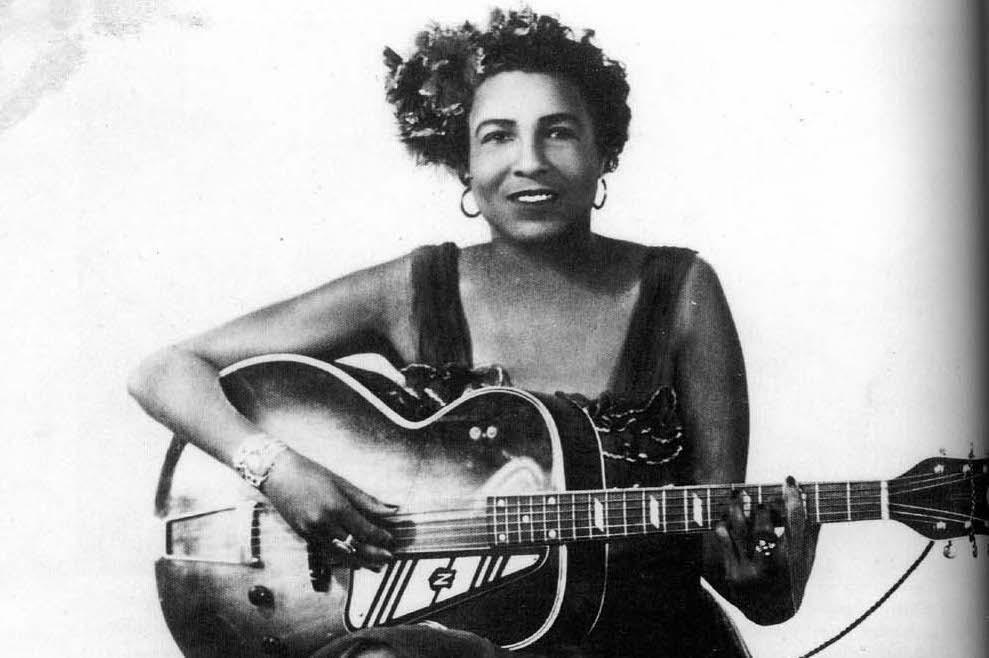
Women in Blues Music
Women in blues music have long been celebrated for their contributions to the genre. From the early days of Bessie Smith and Mamie Smith, female artists have been crucial in shaping the sound and soul of blues. Their influence has led to women like Etta James, who released her first single with Okeh Records in 1961, paving the way for a successful career.
The legacy of these trailblazers continues today through American women such as Janiva Magness, who won a Grammy Award for Best Contemporary Blues Album in 2019. Other notable artists include Ray Charles and Chuck Berry who experimented with elements of blues in their rock and pop songs, respectively, making them staples in American music.
Women’s influence on blues music has been instrumental not only in its sound but also in its representation within the industry. As trailblazers, they opened doors for other black women to pursue careers in music. Like Jimi Hendrix and Louis Armstrong before her, Rosetta Tharpe was one of the first black artists signed by Columbia Records. Today there are many more female musicians making waves within the blues genre – a testament to how far we have come since those early days when Bessie Smith first picked up an acoustic guitar.
The blues is a genre of music that has been shaped and molded by women throughout its history. From its inception with Bessie Smith to modern-day stars like Janiva Magness, female artists have created a unique sound and soul that can only be found in blues music. With their unwavering determination, they have made it possible for other aspiring female musicians to pursue their dreams and become part of this amazing musical tradition. To learn more about the trailblazers you need to know,
The Trailblazers You Need to Know
Women in blues music have always been a major force in the genre, from the early days of Bessie Smith and Mamie Smith to modern-day stars like Janiva Magness. These trailblazers have opened up a path for other female artists to pursue their dreams and become part of this amazing musical tradition. From experimenting with elements of rock and pop to being one of the first black artists signed by Columbia Records, these women are responsible for pushing boundaries and creating unique sounds that can only be found in blues music.
Notable trailblazers include Etta James, who released her first single with Okeh Records in 1961, paving the way for a successful career; Ray Charles and Chuck Berry who experimented with elements of blues in their rock and pop songs respectively; Rosetta Tharpe as one the first black artists signed by Columbia Records; and Janiva Magness who won a Grammy Award for Best Contemporary Blues Album in 2019.
These women have made it possible for other aspiring female musicians to realize their dreams within the world of blues music. Their unwavering determination has allowed them to make an impact on the sound and soul of this beloved genre that will last forever.
Bessie Smith
Bessie Smith was a trailblazing blues force in the early days of jazz and blues music. She is widely regarded as one of the most influential female singers of all time, and for good reason: she was a powerful vocalist with an incredible range. She was also a gifted songwriter who wrote some of the most iconic blues songs such as “Downhearted Blues” and “Gulf Coast Blues.” Bessie’s career started in 1923 when she recorded her first single, “Downhearted Blues,” which became an instant hit. Throughout her career, she sold millions of records and was considered to be one of the most successful female recording artists of her time. Her unique style has been cited as an influence by many other artists including Jimi Hendrix, Louis Armstrong, and Bob Dylan. Bessie Smith’s legacy lives on through her music and continues to inspire generations of female musicians today.
Bessie Smith’s success and influence were a testament to her talent and dedication, and she will always be remembered as one of the most important female blues singers in history. Tune in next to learn more about her career highlights!
Career Highlights
Bessie Smith was a force to be reckoned with throughout her illustrious career. She sold millions of records and was considered one of the most successful female recording artists of her time. During her career, she released hundreds of singles and albums, including some of the most iconic blues songs ever recorded. Some highlights include “Downhearted Blues,” which was her first single, as well as “Gulf Coast Blues,” both of which were incredibly popular in their day. Her success also led to collaborations with many renowned musicians such as Louis Armstrong, Jimi Hendrix, and Bob Dylan. Bessie Smith’s popularity continued until the 1950s when rock and roll took over the music scene. Despite this setback, Bessie’s influence on American music still lives on today and she is remembered fondly by generations of fans for her dedication to making great music.
Legacy of Bessie Smith
Bessie Smith was a pioneering figure in the blues music scene, a genre that has left an indelible mark on American culture. She was one of the most successful female recording artists of her era and released hundreds of singles and albums throughout her career. Her first single “Downhearted Blues” was immensely popular and set the stage for her future success. Smith went on to collaborate with renowned musicians such as Louis Armstrong, Jimi Hendrix, and Bob Dylan, further cementing her legacy in the music industry.
Smith’s influence continues to be felt today; her songs have been covered by countless modern artists and she is often remembered fondly by generations of fans for her commitment to great music. Bessie Smith paved the way for other female blues singers like Mamie Smith, Etta James, and Ray Charles who would all go on to become icons in their own right. Despite passing away in 1937, Bessie Smith’s legacy lives on through her timeless music which will continue to inspire future generations of musicians for years to come.
Mamie Smith
Mamie Smith was a pioneering figure in the blues music scene, taking up the mantle from her predecessor Bessie Smith. She was the first African-American female recording artist to produce and release a commercial record, “Crazy Blues”, which was an instant success. Following its success, she went on to record over 100 songs throughout her career, all of which were released on Okeh Records.
Smith paved the way for other influential black female artists such as Etta James and Ray Charles who would come to dominate the jazz and blues genres respectively. In addition to her musical contributions, Smith also wrote several books about her experiences in the music industry and advocated for greater representation of black women in entertainment.
Throughout her career, Mamie Smith made immeasurable contributions to American culture through her music and advocacy work. Her passion and commitment to great music will continue to inspire future generations of musicians for years to come.
Mamie Smith’s legacy will live on through the music and advocacy that she has left behind. Her pioneering spirit, passion for great music, and relentless commitment to equality have created a lasting impact that will continue to reverberate through time. Keep reading to find out more about her incredible career highlights!
Career Highlights
Mamie Smith was a trailblazer in the blues music scene and her career highlights are a testament to her remarkable talent. During the 1920s, she became the first African-American female recording artist to produce and release a commercial record, “Crazy Blues”. Following its success, she began to make waves in the industry with over 100 songs released on Okeh Records throughout her career.
Smith’s musical style was heavily influenced by jazz, blues, and ragtime music which helped her gain recognition from audiences across the country. She even wrote several books about her experiences in the music industry and advocated for greater representation of black women in entertainment. Her most notable collaborations include working with Jimi Hendrix on his debut solo album, Are You Experienced?
In addition to her musical contributions, Smith also performed on Broadway alongside Louis Armstrong and Chuck Berry. She even had several pop songs released on Columbia Records during the 1940s that were featured in films such as The Godfather Part II and Saturday Night Fever.
Today Mamie Smith is remembered as one of America’s most influential female musicians who paved the way for future generations of successful black artists.
Legacy of Mamie Smith
Mamie Smith’s legacy will forever be remembered as that of a trailblazer. She was the first African-American female recording artist to release a commercial record and it quickly gained critical and commercial acclaim. She continued to make waves in the industry with over 100 songs released on Okeh Records throughout her career, becoming one of the most successful female blues singers of her time.
Her musical style was heavily influenced by jazz, blues, and ragtime music which helped her gain recognition from audiences across the country. Not only did she perform on Broadway alongside Louis Armstrong and Chuck Berry, but she also wrote several books about her experiences in the music industry and advocated for greater representation of black women in entertainment.
Today Mamie Smith is honored for being a pioneering force behind many iconic records, paving a path for future generations of successful black artists in American music. Her influence continues to be felt today through her influence on modern genres such as rock and roll, electric guitar, and acoustic guitar playing, as well as inspiring iconic musicians like Ray Charles, Bessie Smith, Etta James, and Rosetta Tharpe.

Rosetta Tharpe
Rosetta Tharpe was a trailblazer in the world of blues and gospel music. She is known for pioneering the electric guitar and introducing it to popular music, becoming one of the first female artists to incorporate rock and roll into her sound. She released her first single with Columbia Records in 1938, making her one of the most successful recording artists in America. Her music was a mix of gospel and blues, incorporating elements from jazz and traditional African-American music.
Throughout her career, she toured around the United States, Europe, South Africa, and Cuba playing to large crowds who were enchanted by her powerful vocals and skillful guitar playing. Rosetta Tharpe was inducted into both the Rock & Roll Hall of Fame as well as the Blues Hall of Fame, making her one of only a handful of women to receive this honor. Rolling Stone has called her “the godmother of rock & roll,” recognizing how much influence she had on modern genres such as pop, R&B, funk, and soul.
Rosetta Tharpe was an influential figure in the world of blues and gospel music, paving the way for future female artists. Her unique sound, skillful guitar playing, and powerful vocals left a lasting legacy that still resonates today. Get ready to learn more about her career highlights next!
Career Highlights
Rosetta Tharpe’s career was a remarkable success, with her influence reaching far and wide. Her first single with Columbia Records in 1938 earned her widespread acclaim and recognition, and she went on to become one of the most successful recording artists in America. She continued to tour the US, Europe, South Africa, and Cuba until her death in 1973.
Throughout her career, Rosetta Tharpe achieved many milestones. In 1964 she became the first female artist to be inducted into the Rock & Roll Hall of Fame, making her an inspirational figure for female musicians everywhere. She also received a posthumous induction into the Blues Hall of Fame in 2008. In addition, Rolling Stone Magazine has called her “the godmother of rock & roll” due to her immense influence on modern genres such as pop, R&B, funk, and soul music.
Today Rosetta Tharpe is remembered for being one of the most influential figures in blues and gospel music history who helped pave the way for future female artists. Her skillful guitar playing and powerful vocals left a lasting legacy that still resonates today.
Legacy of Rosetta Tharpe
Rosetta Tharpe is an iconic figure of blues and gospel music, whose influence on modern genres such as pop, R&B, funk, and soul music has been widely recognized. Her career was a remarkable success, with her first single with Columbia Records in 1938 earning her widespread acclaim and recognition.
Throughout her career, Rosetta Tharpe achieved many milestones. In 1964 she became the first female artist to be inducted into the Rock & Roll Hall of Fame, making her an inspirational figure for female musicians everywhere. She also received a posthumous induction into the Blues Hall of Fame in 2008. Today Rosetta Tharpe is remembered for pioneering women’s roles in the music industry and is one of the most influential figures in American music history.
Her skillful guitar playing and powerful vocals left a lasting legacy that still resonates today. Through her trailblazing career, Rosetta Tharpe showed that it was possible for women to have successful music careers and inspired generations of female artists who followed in her footsteps. Her influence will continue to shape the sound of American music for years to come.
Etta James
Etta James is an iconic American blues and soul singer, best known for her hits such as “At Last” and “I’d Rather Go Blind”. Throughout her career, she earned several awards, including six Grammy Awards, and a posthumous induction into the Rock & Roll Hall of Fame in 1993. She was also recognized by Rolling Stone magazine as one of the 100 Greatest Singers of All Time.
James’ career began when she was signed to Modern Records at the age of sixteen. Her powerful vocals soon gained her widespread acclaim, with her first single “Roll With Me Henry” becoming a hit in 1955. Her style of music combined elements of jazz and blues, making her a major influence on other genres such as rock and roll, R&B, and funk.
Her impact on American music cannot be overstated; she has been credited with inspiring countless female artists who followed in her footsteps. As one of the most influential figures in modern music history, Etta James will continue to be remembered and celebrated for generations to come.
Etta James’ legacy will continue to be remembered and celebrated, not just for her powerful voice, but also as an influential figure in American music. From her early success with “Roll With Me Henry” to her induction into the Rock & Roll Hall of Fame, Etta James has made an indelible mark on the history of music. But that’s only part of the story – next, we’ll explore some of Etta James’ career highlights!
Career Highlights
Etta James’ career highlights are numerous. From her start in the music industry when she was just sixteen-years-old, to her induction into the Rock & Roll Hall of Fame and recognition as one of Rolling Stone magazine’s 100 Greatest Singers of All Time, James has left a lasting impact on modern music. Her influence has been felt in a variety of genres, from jazz and blues to rock and roll, R&B, and funk.
James achieved great commercial success with hits such as “At Last” and “I’d Rather Go Blind”. She also broke barriers for female artists within the music industry, inspiring countless female singers who followed in her footsteps. In addition to her many awards, including six Grammy Awards, James was also honored posthumously with a star on the Hollywood Walk of Fame in 2014.
The legacy of Etta James will continue to be remembered for generations to come; her powerful voice and artistic contributions have earned her a place among the most influential figures in American music history.
Legacy of Etta James
The legacy of Etta James will forever be present in the music industry. From her start as a sixteen-year-old singer to her induction into the Rock & Roll Hall of Fame and recognition as one of Rolling Stone magazine’s 100 Greatest Singers of All Time, James has left an indelible mark on modern music. Her influence is felt across multiple genres, from jazz and blues to rock and roll, R&B, and funk.
Her career highlights include numerous commercial successes such as “At Last” and “I’d Rather Go Blind”. Furthermore, she broke barriers for female artists within the music industry, inspiring countless female singers who followed in her footsteps. In addition to six Grammy Awards, James was honored posthumously with a star on the Hollywood Walk of Fame in 2014.
Today, James’ legacy lives on; her powerful voice and artistic contributions have earned her a place among the most influential figures in American music history. She paved the way for future generations of female vocalists and musicians alike to take risks and pursue their dreams without fear of failure or discrimination.
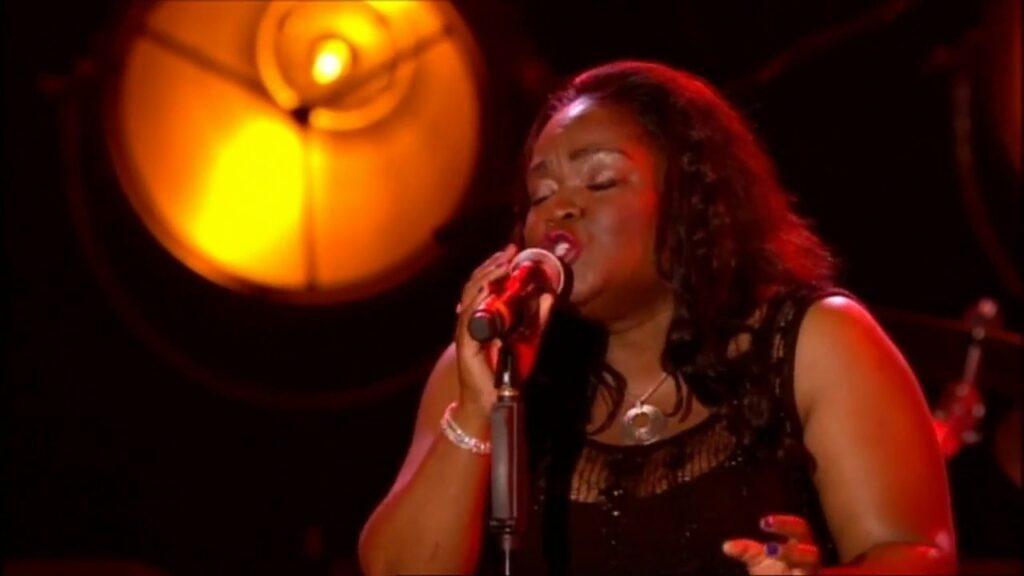
Other Notable Women in Blues Music
Bessie Smith and Mamie Smith are two of the most influential women in Blues music history. Bessie Smith, also known as the “Empress of the Blues,” was one of the first African American recording artists to achieve international success. Her powerful voice and passionate performances made her a major attraction throughout the 1920s. During this time, she recorded more than 160 songs with Columbia Records. She is widely credited with helping to popularize blues music through her recordings on Okeh Records, which she helped launch in 1923.
Mamie Smith was another innovative female artist who helped launch blues music into mainstream acceptance during the 1920s. She is best remembered for being the first African-American woman to make a record. Her 1920 hit song “Crazy Blues” sold more than 75,000 copies in its first month alone and paved the way for blues and jazz music to become part of pop culture. Other notable women in blues music include Rosetta Tharpe, who blended gospel and blues into what became known as rock ‘n’ roll; Jimi Hendrix’s mother Lucille Hendrix, who had a successful career as a singer; and Chuck Berry’s daughter Ingrid Berry Clay, who has kept her father’s legacy alive by performing his songs around the world.
The music of Bessie Smith and Mamie Smith has become an integral part of our culture, inspiring generations of musicians to come. Their recordings were the pioneers in bringing blues music into the mainstream and their influence continues to be felt today. Now, get ready for the next chapter as we explore the life and legacy of Ma Rainey – the “Mother of Blues”.
Ma Rainey
Ma Rainey, known as the “Mother of Blues”, is one of the most influential singers and songwriters of her time. She was born Gertrude Pridgett in 1886 in Columbus, Georgia. Her career began when she joined a traveling minstrel show at 14 years old. In 1914, Ma Rainey moved to Chicago and began recording for Paramount Records. She was one of the first blues singers to be recorded and is credited with helping popularize the genre with her powerful voice and passionate performances. Throughout her career, she wrote over 100 songs that were recorded by other artists such as Bessie Smith and Louis Armstrong. Ma Rainey’s contributions to American music have been recognized by the Rock and Roll Hall of Fame, which inducted her into their hall in 1989. Ma Rainey’s legacy lives on through her music, which continues to influence generations of musicians today.
Alberta Hunter
Alberta Hunter was a pioneering blues singer and songwriter who rose to fame in the 1920s. Born in Memphis, Tennessee in 1895, she sang in clubs from an early age. In 1922, she signed with Columbia Records and released her debut single “Downhearted Blues”, which became a huge hit. Through her career, she became known for her powerful vocals, sharp wit, and ability to write lyrics that spoke of the realities of everyday life. Hunter wrote over 200 songs during her career and was inducted into the Blues Hall of Fame in 1983. After retiring from music for many years, Hunter made a comeback at the age of 80, performing to sold-out crowds until her death in 1984. Her influence on blues music is undeniable; she paved the way for generations of female artists to follow in her footsteps and make their voices heard.
Big Mama Thornton
Big Mama Thornton was an American blues singer and songwriter who made a name for herself in the 1950s. Born in Alabama in 1926, she began her musical career as a gospel singer at a young age. She moved to Houston and became popular for her performances at clubs throughout the city. In 1953, she released her debut album “Hound Dog”, which featured her own version of the hit song of the same name. The record became an instant success and propelled Big Mama’s career forward. Her powerful vocals and innovative style of singing influenced generations of musicians that followed, including Elvis Presley and Jimi Hendrix who both recorded their own versions of “Hound Dog”. Big Mama’s music was inducted into the Blues Hall of Fame in 1991 and she will always be remembered as one of the most influential women in blues history.
Impact on the Music Industry Bluestime Boom
The Bluestime Boom of the 1950s was a period of tremendous growth for blues music, particularly for female musicians. During this time, many women were able to make names for themselves in the industry and establish their own unique sounds. Bessie Smith, Mamie Smith, Rosetta Tharpe, and Big Mama Thornton are some of the most recognizable names from this era who had a major impact on the music industry. They popularized different types of blues songs such as electric guitar instrumentals and vocal ballads that have become classic standards today.
Additionally, these artists provided inspiration for other female artists who followed in their footsteps and helped to break down barriers in the music industry. Their influence can still be felt today as many modern-day singers pay tribute to them through their own versions of iconic blues classics. Through their musical talents and trailblazing spirit, these women helped shape the sound of blues music and paved the way for future generations of female musicians.
The Bluestime Boom of the 1950s was a groundbreaking era for blues music, and the influential female artists that emerged from the period have left an indelible mark on the genre. Their contributions continue to shape and influence blues music today, and their spirit lives on in every woman who has ever dreamed of making her mark in the industry. Next up: we take a look at how these pioneering women’s legacies are being carried forward in modern times.
Conclusion
The female trailblazers of the 1950s Bluestime Boom revolutionized blues music, and their legacy continues to inspire modern-day singers. From Bessie Smith to Ray Charles, these women had a profound impact on the industry and left an indelible mark on the genre. Their influence can still be felt today as they paved the way for future generations of female musicians. Through their musical talents and dedication to their craft, these women helped shape the sound of blues music and opened up possibilities for all women who dream of making it in the industry.
As we honor their accomplishments and remember their contributions, let us take a moment to recognize all the amazing female artists who have taken up the torch since then – each one continuing to blaze a trail that is sure to lead further inroads into what has always been a male-dominated field.