
For centuries, the Blues has been one of the most influential music genres in American popular culture. From Robert Johnson to Elvis Presley, its roots can be traced back to some of the greatest musicians who ever lived. Today we explore the lives and legacies of four iconic figures who shaped this timeless genre: Eric Clapton, B.B. King, Robert Johnson and Bessie Smith. Join us as we take a journey through their incredible careers and explore how they made lasting impacts on music history.
Eric Clapton
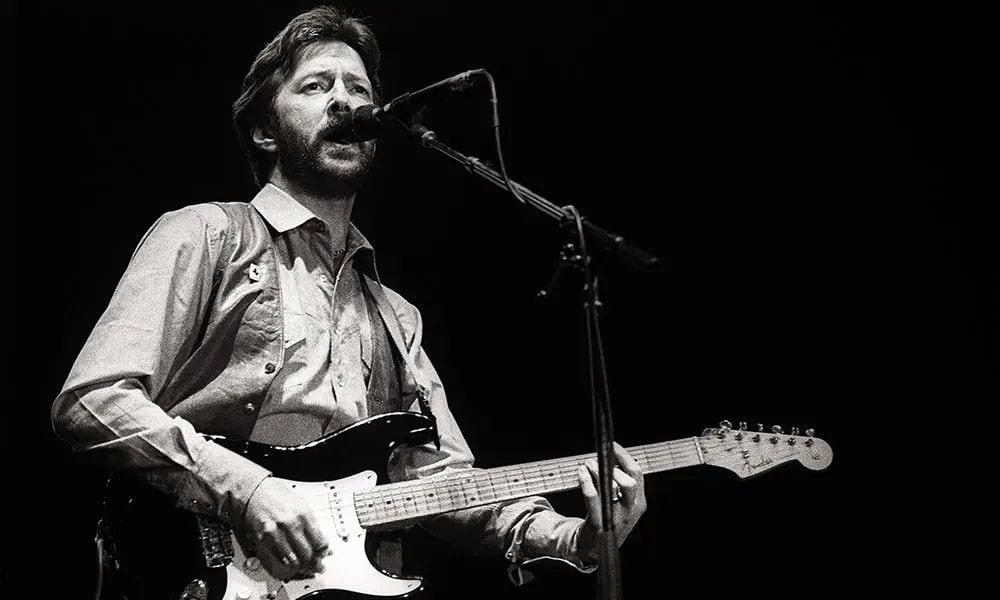
Eric Clapton is one of the most iconic blues legends of all time. Since the 1960s, he has been a major influence in popular music and a leader in the electric guitar scene. His debut album, released in 1965 under Columbia Records, helped to shape the genre for years to come. He was inducted into the Rock & Roll Hall of Fame in 2000 and ranked fourth on Rolling Stone’s list of 100 Greatest Guitarists ever. Clapton’s music crosses many genres from rock to blues and jazz, but his style is unmistakably unique and instantly recognizable. His collaboration with other blues giants such as Buddy Guy and Freddie King further solidified his legacy among fans as well as fellow musicians. As we look back at this musical genius, there’s no doubt Eric Clapton will continue to be an inspiration for generations to come.
Eric Clapton is a musical genius who has left an indelible mark on the blues and rock music genres. His influence will continue to be felt for generations to come. Next up, dive into the career highlights of Eric Clapton that have helped him become one of the most iconic musicians of all time.
Career Highlights
Eric Clapton is a musical giant whose career spans over five decades of success. He has been inducted in both the Rock & Roll Hall of Fame and Rolling Stone’s list of 100 Greatest Guitarists ever, solidifying his legacy as one of the most iconic blues legends. From 1965 to present day, he has released over 20 studio albums, many of which have become classics.
His debut album was released in 1965 under Columbia Records and featured songs like “I Feel Free” and “Crossroads” that would go on to shape the genre for years to come. In 1970, he formed the legendary band Cream with Jack Bruce and Ginger Baker and released four studio albums before disbanding in 1968. Through collaborations with other blues giants such as Buddy Guy and Freddie King, Clapton further cemented his place among fans as well as fellow musicians.
Clapton also ventured into popular music during the 1980s with albums such as August (1986) which featured popular hit singles like “Forever Man”, “It’s In The Way That You Use It” ,and “Bad Love”. He also teamed up with B.B. King for Riding With The King (2000), an album that earned him a Grammy Award for Best Traditional Blues Album in 2001.
As we look back at Eric Clapton’s illustrious career highlights, it is clear that he has left an indelible mark on the music industry through his unique style and unparalleled talent. His influence will continue to be felt for generations to come.
Impact on the Blues Scene
Eric Clapton is a blues legend whose influence on the genre has been immense. He has used his unique style and unparalleled talent to shape the sound of blues music for over five decades, making him one of the most important figures in the genre.
Clapton’s debut album, released in 1965 under Columbia Records, featured timeless classics such as “I Feel Free” and “Crossroads” that remain popular today. His collaboration with other blues legends such as Buddy Guy and Freddie King further solidified his place among fans as well as fellow musicians. His 1980s albums ventured into popular music with hit singles like “Forever Man”, “It’s In The Way That You Use It” ,and “Bad Love”, while Riding With The King (2000) earned him a Grammy Award for Best Traditional Blues Album in 2001.
Through his decades-long career, Eric Clapton has left an indelible mark on the blues scene and continues to be an inspiration to future generations of musicians. His influence will continue to shape the genre for years to come, ensuring that his legacy as one of the greatest bluesmen ever will live on forever.
Major Contributions to Popular Music
Eric Clapton is one of the most prolific and influential musicians of all time, having made major contributions to popular music for over five decades. His unique style and unparalleled talent has earned him a place in the pantheon of blues legends, as well as an induction into the Rock and Roll Hall of Fame.
From his groundbreaking debut album in 1965 to his collaboration with other blues greats such as Buddy Guy and Freddie King, Clapton’s impact on the genre can still be felt today. He also ventured into popular music with hit singles like “Forever Man”, “It’s In The Way That You Use It” ,and “Bad Love”, while Riding With The King earned him a Grammy Award for Best Traditional Blues Album in 2001.
Not only did he influence generations of future musicians through his immense talent, he also helped to popularize genres such as rock and roll and blues among mainstream audiences. His work remains iconic today – from “Layla” to “Tears In Heaven” – they are timeless classics that will continue to inspire generations to come. Eric Clapton’s contributions to popular music will surely live on forever.
B.B. King
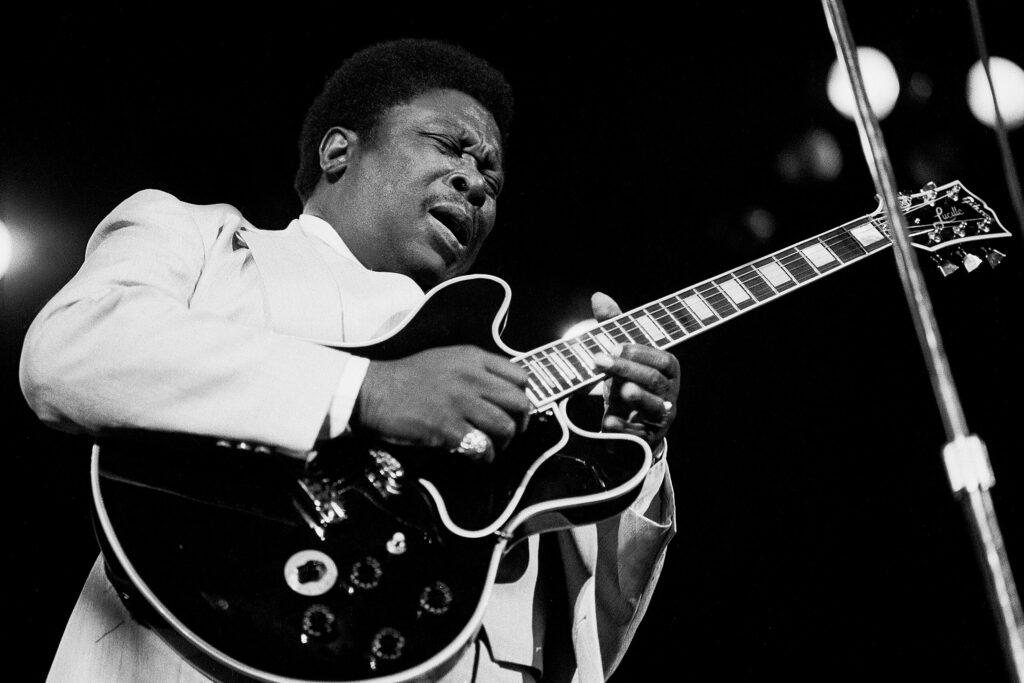
B.B. King is widely recognized as one of the greatest blues musicians of all time. His career spanned over six decades, and during this time he developed a unique style that earned him the nickname ‘King of the Blues’. Born Riley B. King in 1925, he began playing guitar in his teens and went on to become one of the most influential figures in the genre.
Throughout his prolific career, B.B. King released dozens of hit singles such as “The Thrill Is Gone”, “How Blue Can You Get?”, and “Every Day I Have The Blues”. He was also renowned for his skillful live performances, which often featured lengthy improvisations on his signature electric guitar Lucille. He toured extensively throughout his lifetime, bringing blues music to audiences across the world and collaborating with other renowned musicians such as Eric Clapton and John Lee Hooker.
In addition to being a musical pioneer, B.B. King was also an important civil rights activist who used his public platform to advocate for African-American rights and equality until his death in 2015 at the age of 89. His legacy remains alive today through his music, influence on generations of young musicians, and commitment to social justice causes that still resonate with people today
B.B. King will forever remain a musical legend and an inspiring advocate for civil rights, whose legacy continues to live on through his music and activism. Now let’s explore some of B.B. King’s career highlights that made him one of the greatest blues musicians of all time!
Career Highlights
B.B. King is widely considered to be one of the greatest blues musicians of all time, and his career highlights are a testament to his immense talent.
In the early 1950s, B.B. released his debut album Singin’ The Blues and quickly became popular for his unique style of playing electric guitar, earning him the nickname ‘King of the Blues’.
He went on to release dozens of hit singles throughout his prolific career such as “The Thrill Is Gone”, “How Blue Can You Get?”, and “Every Day I Have The Blues”.
His skillful live performances often featured lengthy improvisations on his signature electric guitar Lucille, which earned him a loyal fanbase across the world.
He also collaborated with other renowned musicians such as Eric Clapton and John Lee Hooker, further cementing his status as a musical pioneer.
In addition to being an acclaimed musician, B.B. was an important civil rights activist who used his public platform to advocate for African-American rights and equality until his death in 2015 at the age of 89.
Through these career highlights, B.B King will forever remain a blues legend whose influence lives on through generations of young musicians and commitment to social justice causes that still resonate today
Impact on the Blues Scene
B.B. King’s influence on the blues scene is undeniable and his legacy will live on for generations to come.
King’s soulful, eloquent guitar playing was a major driving force behind the success of blues music during the 1950s and 1960s. He combined elements of jazz, gospel, and country music with traditional blues to create a unique sound that was both innovative and accessible to mainstream audiences. His signature song “The Thrill Is Gone” became an instant classic and has been covered by numerous other artists over the years.
King also paved the way for many young black musicians to find success in popular music genres that had previously been dominated by white performers. Through his work as an advocate for civil rights he helped bring awareness to social issues of inequality while providing an important platform for African-American artists to further their careers in the entertainment industry.
To this day, B.B King’s influence can still be felt in modern-day blues music as well as other genres such as rock, soul, and even hip-hop. His unmistakable style continues to inspire countless musicians around the world who strive to emulate his passion and dedication for making great music.
Major Contributions to Popular Music
B.B. King was a blues legend whose contributions to popular music have had an enduring impact on the industry. His unique style, blending elements of jazz, gospel, and country with traditional blues, revolutionized the genre and opened up new possibilities for black musicians in previously white-dominated genres such as rock and soul.
King’s influence was so great that his signature song, “The Thrill Is Gone,” became an instant classic and has been covered by numerous other artists over the years. He also served as an advocate for civil rights during a time of social upheaval in America, helping to bring awareness to issues of inequality through his work in the entertainment industry.
Today, B.B King’s legacy can still be heard in modern-day blues music as well as many other genres including rock, soul, and even hip-hop. He continues to inspire countless musicians around the world who strive to emulate his passion and dedication for making great music. With his major contributions to popular music, B.B King will remain a timeless icon of the blues genre forevermore.
Robert Johnson
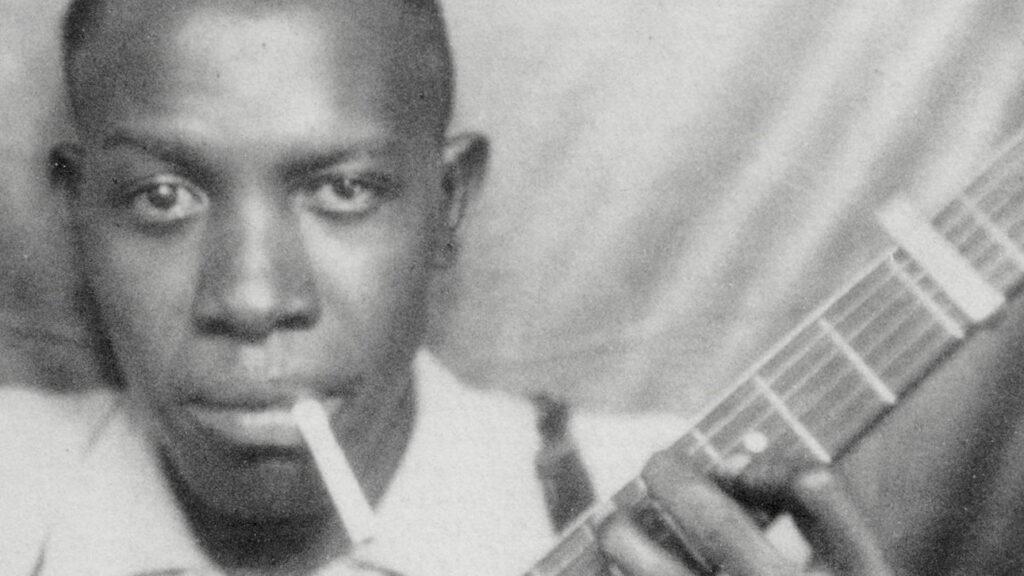
Robert Johnson was a renowned blues musician whose influence on the genre is still felt today. Born in Mississippi in 1911, he is widely considered to be one of the most influential figures in blues history. He developed a unique style of playing and singing that blended elements of country music with traditional Delta blues, creating an innovative sound that has since been adopted by countless other artists.
Johnson’s talent was so great that his recordings have remained popular for more than 80 years. His songs such as “Cross Road Blues” and “Love in Vain” continue to be covered by many modern-day musicians. Furthermore, his influence can be heard in genres such as jazz and rock, where many artists have cited him as a major source of inspiration.
A mysterious figure who died tragically young at the age of 27, Robert Johnson left behind an extraordinary body of work that remains highly influential to this day. His music continues to inspire and captivate listeners around the world, cementing his status as one of the greatest musicians ever to shape the genre of blues.
Robert Johnson’s timeless music and influence will continue to move listeners for generations to come, making him one of the most important figures in blues history. Stay tuned to learn more about Robert Johnson’s career highlights!
Career Highlights
Robert Johnson’s musical career was tragically short-lived, but it produced some of the most influential blues music ever recorded. His debut album, King of the Delta Blues Singers, which was released in 1961 by Columbia Records, featured 16 tracks that showcased his unique guitar playing and singing style. The album gained immediate popularity and reached No. 3 on the Billboard charts.
Johnson’s influence can be heard in popular music to this day; he is widely recognized as one of the most important figures in blues history. In addition to being inducted into the Rock and Roll Hall of Fame in 1986, Rolling Stone magazine named him number five on its list of “100 Greatest Guitarists of All Time.” He has also been honored with a star on the Hollywood Walk of Fame and a Grammy Lifetime Achievement Award.
To commemorate his legacy, many blues clubs across America hold an annual event known as ‘Robert Johnson Day,’ which celebrates his life and music with live performances from both established and emerging artists. It is just one example of how Johnson’s influence continues to shape today’s popular music landscape more than 80 years after his death.
Influence on Other Musicians
The influence of Robert Johnson on other musicians is undeniable. His style of playing electric guitar and singing has been emulated by countless blues, rock, and country artists since his death in 1938. From B.B. King to Eric Clapton, many of the greatest guitarists cite Johnson as an inspiration for their own work.
Johnson’s music has also served as a source for many other genres, including soul, jazz, and funk. His songs have been covered by Elvis Presley and Ray Charles and sampled by hip-hop producers like Dr. Dre and Q Tip. Even today, his recordings remain some of the most influential in American music history.
Beyond his immense influence on popular music, Johnson was also a major influence on the culture of the blues itself. He helped to create a new sound out of traditional Delta blues that set him apart from other musicians of his time and paved the way for later musicians such as Buddy Guy and Muddy Waters to gain recognition in mainstream circles.
Robert Johnson’s legacy will never be forgotten; he continues to inspire generations of musicians who strive to create something truly unique with their artistry just as he did decades ago.
Elvis Presley
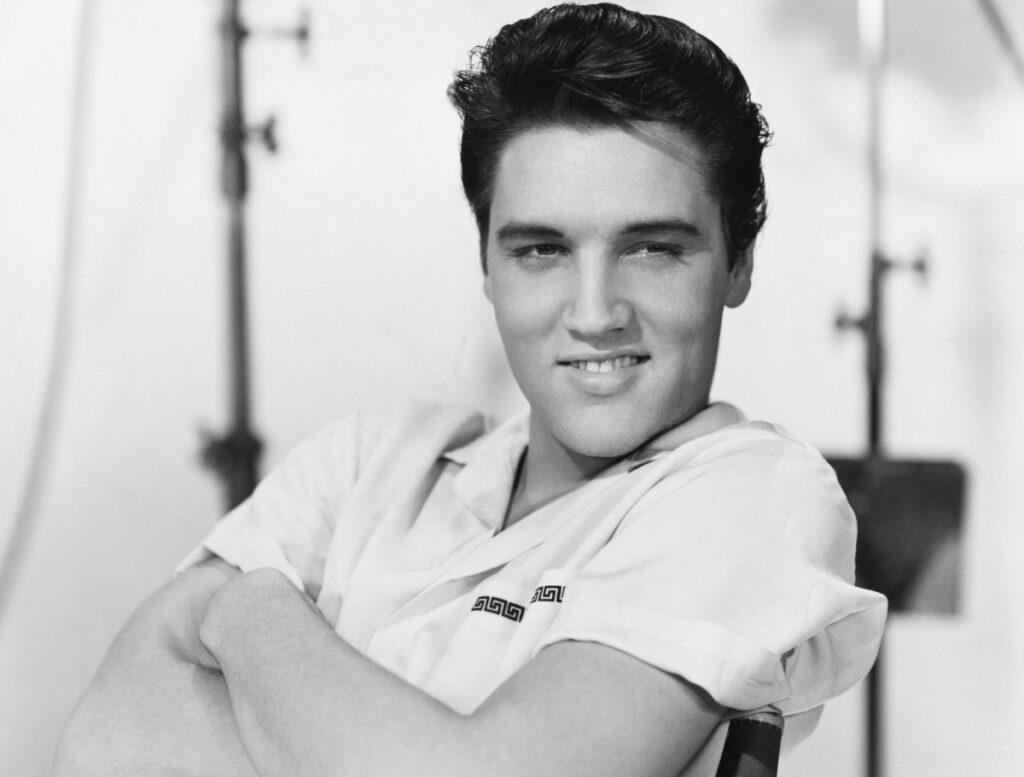
Elvis Presley is one of the most iconic figures in American music history. His electrifying performances, signature style and larger-than-life persona have made him an enduring cultural icon. From his early days as a rockabilly star to his later years as a pop crooner, Elvis has left an indelible mark on popular music.
The hip-swiveling singer released over 150 albums during his career, selling over 1 billion records worldwide. He was one of the first performers to successfully bridge the gap between country, blues, and rock and roll, creating a unique sound that would influence generations of musicians across genres.
Throughout his career, Elvis achieved numerous awards and honors including 14 Grammy nominations and 3 wins. In addition to being inducted into the Rock & Roll Hall Of Fame in 1986, he received a posthumous Lifetime Achievement Award from the National Academy of Recording Arts & Sciences in 1987.
Elvis’s legacy lives on today through his many recordings and live performances that continue to captivate fans around the world. He remains one of the most beloved entertainers of all time thanks to his timeless artistry and incomparable stage presence.
It is no wonder that Elvis Presley’s legacy has endured for over six decades. His immense influence on popular music and culture, in addition to his incredible talent, make him an icon who will never be forgotten. Get ready to explore the career highlights of this legendary rock ‘n’ roll star!
Career Highlights
Elvis Presley is one of the most iconic figures in popular music and culture. From his early days as a rockabilly star to his later years as a pop crooner, Elvis has left an indelible mark on popular music. During his career, he released over 150 albums, sold over 1 billion records worldwide, and received numerous awards and honors including 14 Grammy nominations and 3 wins.
Elvis’s career highlights include some of the most memorable performances in music history. His electrifying live shows have captivated generations of fans around the world, cementing his legacy as one of the most beloved entertainers of all time. He also achieved great success with singles such as “Heartbreak Hotel,” “Hound Dog,” and “Love Me Tender,” which are still considered classics today.
In addition to being inducted into the Rock & Roll Hall Of Fame in 1986, Elvis also received a posthumous Lifetime Achievement Award from the National Academy of Recording Arts & Sciences in 1987. He remains an enduring cultural icon thanks to his timeless artistry and incomparable stage presence that continues to captivate audiences around the world.
Impact on the Blues Scene
Elvis Presley had an undeniable influence on the blues scene. His early recordings blended elements of country, rockabilly, and rhythm & blues to create a unique sound that resonated with music fans around the world. Elvis’s songs popularized the blues-influenced style of music known as Rock ‘n’ Roll, which was quickly adopted by other performers in the genre.
Furthermore, Elvis helped bring attention to many blues performers who were largely unknown at the time. He covered numerous songs by legends like Robert Johnson and Bessie Smith, introducing their music to wider audiences than ever before. He also paid homage to influential artists such as Buddy Guy and Mckinley Morganfield (aka Muddy Waters) throughout his career.
By fusing together various genres of music into something new, Elvis created a lasting impact on the blues scene that still continues today. His influence has been so profound that he is often referred to as one of the greatest musicians who shaped the genre.
Major Contributions to Popular Music
Elvis Presley is often referred to as the King of Rock and Roll, and rightfully so. His major contributions to popular music are undeniable. He blended various genres of music together, such as country, rockabilly, and rhythm & blues, to create a signature sound that resonated with fans around the world. His songs popularized the blues-influenced style of music known as Rock ‘n’ Roll that was quickly adopted by other artists in the genre.
Presley also helped bring attention to many blues performers who were largely unknown at the time. He covered numerous songs by legends like Robert Johnson and Bessie Smith, introducing their music to much larger audiences than ever before. He also paid homage to influential artists such as Buddy Guy and Mckinley Morganfield (aka Muddy Waters) throughout his career.
His influence is still felt today in all types of popular music, from rap and hip-hop to punk and alternative rock. Elvis’s legacy continues on through countless cover versions of his classic hits and through new interpretations of his original recordings by modern-day artists who cite him as an inspiration. Without a doubt, Elvis Presley will remain one of the most important figures in popular music for generations to come.
Bessie Smith
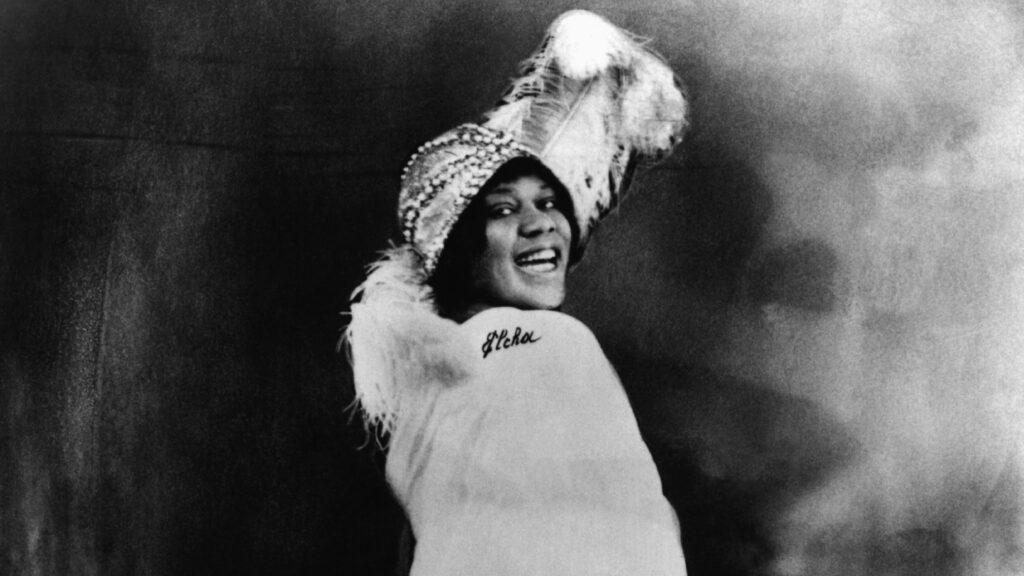
Bessie Smith is considered to be one of the greatest blues singers of all time. Born in Chattanooga, Tennessee, in 1892, her career began as a street performer before eventually finding success in the recording industry. She was known for her powerful voice and her ability to convey strong emotion through song. Bessie was also a gifted songwriter whose music often reflected the struggles of African-American life at the time.
Throughout her career, she released over 160 singles and several albums featuring jazz, blues, and spirituals. She even wrote some of her own material that tackled controversial topics like racism and sexism head on. In 1929 she made history when she became the highest-paid African-American performer of her time with a reported $2,500 per week salary from Columbia Records. Her influence has been cited by countless musicians since then including Elvis Presley who covered numerous songs by Bessie throughout his career.
Bessie Smith’s legacy continues to this day as she is recognized as an early pioneer of the blues genre and one of its most influential figures. Her music remains timeless and speaks to us just as powerfully today as it did during her lifetime.
Bessie Smith’s legacy continues to inspire and influence generations of musicians, from Elvis Presley to modern day blues performers. The power of her voice and music is timeless and will never be forgotten. Get ready to learn more about Bessie Smith’s remarkable career highlights in the next section!
Career Highlights
Bessie Smith’s career highlights are some of the most impressive and influential in blues music. Born in Chattanooga, Tennessee in 1892, her rise to fame began as a street performer before eventually finding success in the recording industry. Throughout her career, Bessie released over 160 singles and several albums featuring jazz, blues, and spirituals. In 1929 she made history when she became the highest-paid African-American performer of her time with a reported $2,500 per week salary from Columbia Records.
Some of Bessie Smith’s most popular blues songs include “Down Hearted Blues” (1923), “Trouble in Mind” (1926) and “Nobody Knows You When You’re Down and Out” (1929). Her influence has been cited by countless musicians since then including Elvis Presley who covered numerous songs by Bessie throughout his career. Her legacy continues to be recognized today as she is seen as an early pioneer of the blues genre and one of its most influential figures.
In addition to her prolific recording career, Bessie was also an accomplished songwriter whose music often reflected the struggles of African-American life at the time. Her powerful voice and ability to convey emotion through song will never be forgotten. Bessie Smith is truly one of the greatest blues singers of all time who paved the way for many generations to come!
Impact on the Blues Scene
Bessie Smith was one of the most influential figures in the blues scene. She is credited as being a pioneer of the genre and her influence can be heard in many modern musicians today. Born in 1892, Bessie started out as a street performer before finding success in the recording industry. Her powerful voice and ability to convey emotion through song made her stand out from other singers of her time.
Throughout her career she released over 160 singles and several albums featuring jazz, blues, and spirituals. Bessie’s music often reflected the struggles of African-American life at the time which resonated with many listeners worldwide. In 1929 she became the highest-paid African-American performer of her time earning an impressive $2,500 per week salary from Columbia Records.
Bessie’s career highlights are some of the most impressive and influential in blues music. Her legacy continues to this day with countless musicians citing her influence throughout their work. Her impact on popular music will never be forgotten and she will always remain an early pioneer of the blues genre who paved the way for many generations to come!
Major Contributions to Popular Music
Bessie Smith was a pioneering figure in the blues music scene. Born in 1892, she started out as a street performer before making her mark on the recording industry with her powerful voice and emotional range. Throughout her career, Bessie released over 160 singles and several albums, featuring jazz, blues, and spirituals that reflected the struggles of African-American life at the time. In 1929 she became the highest-paid African-American performer of her time, earning an impressive $2,500 per week salary from Columbia Records.
Bessie’s major contributions to popular music are undeniable. Her influence can be heard throughout many modern musicians’ work today and will continue to be felt for years to come. Her performances were so influential that they earned her the title of “Empress of the Blues” due to her impact on both black and white audiences alike. She has been inducted into both The Rock & Roll Hall of Fame and The Blues Hall of Fame for her groundbreaking work in changing the face of popular music forever. Bessie Smith will always remain an iconic figure in music history who paved the way for generations to come!
Conclusion
In conclusion, the blues genre has been shaped by countless talented musicians throughout history. From the early Delta blues pioneers like Robert Johnson and Son House, to the electric blues legends like Muddy Waters and B.B. King, to the modern blues rockers like Stevie Ray Vaughan and Joe Bonamassa, each artist has left their unique mark on the genre.
Their contributions have not only influenced blues music, but have also impacted countless other genres, from rock to hip-hop. The legacy of these blues legends continues to inspire and influence musicians around the world today. As we continue to celebrate and honor the rich history of the blues, let us not forget the incredible musicians who paved the way and continue to keep the blues alive.