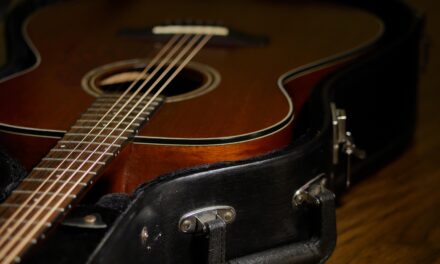
Music is more than just entertainment; it’s a way of expressing ourselves and connecting with the world around us. Choosing the right musical instrument is an important step in beginning your journey into music. But with so many options, how can you know which musical instrument is best for you? In this article, we’ll discuss some of the factors to consider when selecting an instrument as well as what to keep in mind when making your final choice. So grab your favorite headphones, get ready to explore the wonderful world of music, and let’s dive in!

Factors to Consider When Choosing an Instrument
When choosing an instrument, factors such as budget, age, skill level, interests, accessibility to lessons and resources, physical limitations, size and weight, acoustic or electronic options, availability, and maintenance requirements should be considered. The choice should ultimately be based on a combination of these factors and personal preferences.
Budget
When selecting a musical instrument, it is important to consider your budget. The cost of instruments can vary greatly and depends on the type, quality, and brand of instrument you are looking for. If you’re on a strict budget, there are plenty of affordable options available such as beginner acoustic guitars or keyboards. You can also find used instruments which may be cheaper than buying something new.
Additionally, there are plenty of online resources that offer free music lessons and tutorials which may help save money in the long run if you decide to teach yourself how to play an instrument rather than taking formal lessons. It is important to weigh all your options before making a purchase so that you can get the best value for your money.
Age and Skill Level
When selecting a musical instrument, it is important to consider your age and skill level. If you’re a beginner, then it might be best to start with an entry-level instrument such as an acoustic guitar or keyboard. These types of instruments are usually less expensive and provide the perfect platform to learn the basics of music theory and playing techniques.
For kids, there are plenty of instruments specifically designed for their size and skill level such as a ukulele or small drum set. On the other hand, if you already have some experience playing an instrument then you may want to invest in a more professional instrument like an electric guitar or wind instrument.
Interests and Goals
When selecting a musical instrument, it’s important to consider your interests and goals. If you’re looking for an instrument that will provide a challenge, then you might consider something like a brass or woodwind instrument. These instruments require advanced techniques and can be difficult to master, but they are incredibly rewarding when you do.
On the other hand, if you’re just starting out and want something simpler then stringed instruments such as guitar or bass may be perfect for you. Additionally, percussion instruments like drums and even the human voice are great options since they don’t require any additional equipment beyond yourself.
Accessibility to Lessons, Instruction, and Material
When selecting a musical instrument, it is important to consider the accessibility of lessons, instruction, and material. Depending on the type of music you want to play, there may be more or less available resources for learning that particular instrument. For example, if you are interested in classical music, then you may be able to find many different types of instruction and material specifically tailored to those genres.
On the other hand, if you are looking to learn something more obscure such as blues or jazz, then you may have a harder time finding good resources. Additionally, some instruments require expensive equipment that can be hard to come by in certain areas.
Physical Limitations
Physical limitations are another important factor to consider when choosing a musical instrument. It is important to choose an instrument that is comfortable for you to play, as certain instruments require particular physical abilities. Instruments like the electric guitar and bass guitar require strength and agility in the hands and arms, while instruments like the piano or violin may require dexterity and flexibility in the fingers. Additionally, some instruments can be very large or heavy, such as a drum kit or brass instrument.
Size and Weight of Instrument
The size and weight of an instrument is another important factor to consider when choosing a musical instrument. Smaller instruments such as the flute or ukulele are generally easier for children to handle, while larger instruments like a cello or grand piano may be more difficult.
Additionally, some instruments can be very heavy, such as brass instruments. It is important to take these details into consideration so that you can choose an instrument that is comfortable and easy to play. If you are unsure of which size or weight would be most suitable for your needs, it is best to consult with a music teacher or professional at a music store who can help you find the best instrument for your individual needs.

Acoustic or Electronic
When it comes to choosing a musical instrument, one of the key decisions is whether to buy an acoustic or electronic instrument. Acoustic instruments produce sound naturally from vibrating strings or air. Examples include guitars, pianos, and violins. Electronic instruments use electricity to create sounds and often allow for greater flexibility in terms of tone and effects. Electric guitars, synthesizers, and drum machines are all examples of electronic instruments.
The primary benefit of acoustic instruments is their traditional sound. This type of instrument is often associated with classical music and other genres that rely on natural sounds. On the other hand, electronic instruments can provide access to a wide range of tones and effects that may not be possible with an acoustic instrument alone. However, some musicians prefer the “raw” sound of an acoustic instrument over an electronic one.
Ultimately, it’s up to you to decide which type of instrument best fits your needs as a musician. If you’re looking for versatility or modern sounds, then an electronic instrument might be the right choice for you. But if you’re interested in playing traditional styles such as classical music or folk songs, then an acoustic instrument may make more sense for your needs.
Availability of Instrument
The availability of an instrument is one of the most important factors to consider when selecting a musical instrument. Different instruments can be found in different locations, so it’s important to research where you can purchase or rent the instrument you want.
If you’re looking for a more common instrument such as a guitar, piano, or violin, then there are plenty of stores and online vendors that sell these instruments. But if you’re interested in something more obscure, such as a banjo or sitar, then you might have to look harder for stores that carry these instruments. It’s also worth considering whether the store offers rentals or repairs for the instrument in case something goes wrong with it down the line.
In some cases, it may also be possible to find used instruments from private sellers or music schools. Used instruments can often be purchased at lower prices than new ones but may require additional maintenance and upkeep.
Maintenance Requirements
When it comes to choosing a musical instrument, it’s important to consider the maintenance requirements of that particular instrument. Some instruments require more maintenance than others, and some may be easier to maintain than others.
If you’re looking for a beginner instrument, opt for one that is relatively low-maintenance. Instruments such as acoustic guitars and keyboards tend to require minimal upkeep and can be easily taken care of with basic cleaning and tuning. Stringed instruments like violins or cellos also tend to have minimal maintenance requirements as long as they are stored in the correct environment at the right temperature and humidity levels.
If you’re interested in brass or woodwind instruments, then these will require more regular maintenance and cleaning due to their delicate nature. It’s important to look into what types of cleaners are suitable for your instrument, and how often it needs servicing by a qualified technician. This information should be readily available from your local music store or from online vendors.
Finally, electric instruments (such as electric guitars) may need regular adjustments or repairs due to their electronic components. Make sure you understand what kind of maintenance is required before making your purchase so that you can ensure your instrument remains in good condition for years to come.
Conclusion
Choosing the right musical instrument is an important decision that can have a lasting impact on your music-making journey. When selecting an instrument, consider your skill level, budget, and maintenance requirements. Beginners should opt for entry-level instruments that are both affordable and easy to maintain. More experienced musicians may want to invest in higher-quality instruments that require more care and attention. Lastly, make sure you find an instrument that you enjoy playing! With the right instrument in hand, you’ll be well on your way to becoming a successful musician.