From the infectious beat of Chuck Berry’s “Johnny B. Goode” to the rebellious lyrics of Nirvana’s “Smells Like Teen Spirit,” rock and roll music has captivated generations of listeners and continues to influence popular culture today. But what is it about this genre that has made it so impactful? This paper will explore the history and influence of rock and roll music, from its early influences in the 1950s to its diversification in later decades and its impact on popular culture, society, economics, and other musical genres. Through this article, we can gain a greater appreciation for how rock and roll has shaped our world in ways both big and small.

Definition of Rock and Roll Music
The broad popular music genre known as “rock and roll” began its start in the 1950s in the United States. It is generally characterized by a combination of electric guitar, drums, bass, and vocals that are often accompanied by lyrics expressing themes of rebellion and freedom. The genre evolved from earlier forms of American music such as blues, jazz, and country and western. Rock and roll can be further divided into subgenres such as classic rock, glam rock, alternative rock, punk rock, hard rock, heavy metal, and more. Rock and roll have been an important part of pop culture for decades – influencing everything from fashion to politics – and continues to shape our lives today.
History of Rock and Roll Music
Rock and roll music has a diverse history that began with influences from blues, country, and gospel music. Pioneers like Elvis Presley and Chuck Berry helped popularize the genre in the 1950s. In the 1960s and 1970s, sub-genres like psychedelic rock and hard rock emerged, while punk and heavy metal surfaced in the 1980s. Despite changes, rock and roll remains an iconic part of popular culture.
Early Influences on the Genre
Rock and roll music has its roots in a number of different genres, particularly blues, jazz, rhythm and blues, and country. These older styles were the foundation for many of the artists who would later help to define rock and roll as a genre. Perhaps the most influential early artist was Chuck Berry whose hit “Maybellene” was released in 1955. This was quickly followed by Johnny Cash’s “Folsom Prison Blues” which helped to cement rock and roll as a viable style of music. Other influential figures from this period include Elvis Presley, Jerry Lee Lewis, Little Richard, Fats Domino, Roy Orbison, and Buddy Holly. Each of these artists brought something unique to the genre that helped it to evolve over time into what it is today – one of the most popular styles of music around the world.
Development of the Genre in the 1950s
The 1950s saw the rise of rock and roll music in the United States and beyond. This was a period of great creative energy, with numerous artists pushing the boundaries of what was possible musically. Key figures from this period included Bill Haley, who wrote “Rock Around the Clock”, Little Richard, with his hit “Tutti Frutti”, and Joe Turner, with his classic blues songs. These were all hugely popular among young people at the time, particularly teenagers, who embraced this new style of music as their own.
This decade also saw the emergence of the electric guitar as an integral part of rock and roll music. The invention of this instrument allowed for a much fuller sound than had been previously possible with acoustic guitars alone. This gave many players greater freedom to experiment with different styles and sounds which helped to shape the genre as it developed during this period.
The 1950s were also important in terms of how rock and roll impacted popular culture more broadly. Through movies such as The Blackboard Jungle (1955) and musicals like Bye Bye Birdie (1960), rock and roll began to be seen not just as a fad but as something that was here to stay. It became an important part of popular culture for generations to come.
Diversification of the Genre in the 1960s-1970s
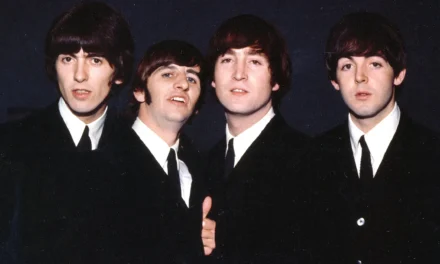
The 1960s and 1970s saw the diversification of rock and roll music as a genre. New artists such as The Beatles, The Rolling Stones, and Led Zeppelin pushed the boundaries of what was possible musically. At the same time, other artists such as Chuck Berry and Johnny Cash created classic songs that still resonate today. This period also saw the emergence of Glam Rock and Alternative Rock, two distinct styles within the genre which had a significant impact on popular music.
In addition to new styles emerging, there was also a strong trend toward cover versions of classic songs during this period. Frank Sinatra, for example, released several successful albums featuring his own renditions of classic rock songs. This helped to further popularize the genre, widening its appeal beyond teenagers to include people from all generations and walks of life.
The 1960s-1970s were an important period in terms of how rock and roll impacted the music business more broadly. Through record deals, radio airplay, tours, merchandise sales, and more; artists were able to make a living through their music in ways that hadn’t been possible before. This enabled them to create ever more creative works while also helping to bring in revenue for both themselves and those associated with them in the industry.

The emergence of Punk and Heavy Metal in the 1980s
The emergence of Punk and Heavy Metal in the 1980s saw a major shift in the soundscape of rock and roll. Artists such as The Ramones, The Sex Pistols, Black Sabbath, and Metallica pushed the boundaries of what was accepted as rock music with their loud, distorted sound and rebellious lyrics. This shift toward harder-edged sounds had a significant impact on popular culture, with punk subculture becoming particularly visible during this time.
At the same time, new technological advances allowed artists to explore more intricate musical arrangements than ever before. Through the use of synthesizers, drum machines, and multitrack recording devices; it became possible to create complex sonic textures that would have been impossible just a few years before. This opened up a whole new world for rock musicians to explore and helped to further diversify the genre over time.
Finally, this period also saw the rise of MTV which played an important role in promoting Rock music through its various music video shows. Through these shows, millions of people around the world were exposed to music they may never have heard otherwise; helping to expand both audiences and artists’ reach across continents.
Influence of Rock and Roll Music
Rock and roll music emerged in the 1950s and had a significant impact on popular culture, social norms, and the economy. Its rebellious spirit gave young people a voice to express themselves, and it played a role in breaking down racial barriers during the civil rights movement. The rise of the music industry created jobs in recording studios, radio stations, and concert venues. There has been a major impact of rock and roll on other musical genres, and this influence is still felt in contemporary music and popular culture.
Impact on Popular Culture
Since the 1950s, when rock and roll first appeared, it has had a significant influence on popular culture. The genre has become an integral part of pop culture, influencing fashion trends, films, television works and even inspiring an entire subculture around it. Classic songs such as Chuck Berry’s “Johnny B Goode” or Joe Turner’s “Shake Rattle & Roll” have become timeless classics that are still recognized by many today. Even international superstars such as The Beatles or Frank Sinatra have been influenced by rock and roll, bringing it to attention outside of the United States. Rock and roll continue to shape the way people think about music today, with its influence being felt far beyond just the musical realm.
Social Impact on Society
Ever since rock and roll first appeared in the 1950s, society has experienced a significant change. From its beginnings as an expression of teenage rebellion, rock, and roll has evolved into a more socially conscious genre, prompting people to question authority and challenge the status quo. This influence is evident in many of the classic songs from the era such as Bob Dylan’s “Blowin’ In The Wind” or Marvin Gaye’s “What’s Going On”. Rock and roll music has also become a powerful tool for social change, with artists such as John Lennon using their lyrics to call out injustice and express support for various causes.

Economic Impact
Rock and roll music has had a substantial influence on the economy in the United States. The genre’s emergence in the 1950s brought with it increased radio airplay, record sales, touring opportunities, and merchandise. This activity generated significant economic activity for those involved in the industry, from producers to promoters. Rock and roll also allowed artists to become more independent and build careers outside of traditional record labels. Chuck Berry is often credited as one of the pioneers of this shift, becoming an entrepreneurial figure who wrote his own songs and created a template for how rock stars could make money. In addition, rock music has spawned many spin-off genres such as glam rock, alternative rock, and classic rock which have all helped to bolster the industry further.
Influence on Other Genres of Music
Other musical genres have been significantly influenced by rock and roll music. While it began as a combination of blues, country, and rhythm and blues, its powerful sound has been transformed into many other musical styles. During the 1960s, rock and roll gave birth to several new subgenres such as folk rock, psychedelic rock, hard rock, and soft rock. These musical forms were further divided into even more specific styles such as punk rock, metal, and grunge. In addition, the genre has had an impact on jazz, soul, and even classical music. Rock and roll’s influence can be found in almost every popular style today.
Conclusion
Rock and roll music has been one of the most influential genres in the history of popular music. Its simple, yet powerful sound has had an immense impact on our culture, both past and present. From Chuck Berry to Johnny Cash to Nirvana, this style of music has attracted fans from all walks of life and helped shape popular culture in ways that no other genre can match. Its influence is seen in almost every musical style today, from alternative rock to classic rock to pop music. Rock and roll is here to stay, and its legacy will undoubtedly be remembered for generations to come.