Learning to play music is an incredibly rewarding and fulfilling experience. Music has the power to bring people together, create emotional connections, and even improve mental health. But for many beginners, one of the most intimidating aspects of getting started is choosing the right instrument. With so many options available, it can be difficult to know where to begin. Here is a look at some of the best beginner instruments for those just starting out on their musical journey.
Popular Instruments for Beginners

For those just beginning to explore the world of music, some of the most popular instruments for beginners include the electric guitar, acoustic guitar, and bass guitar. All three are string instruments, meaning they are played by plucking or strumming strings with your fingers or a pick. It’s important to note that learning any instrument requires dedication and practice – there’s no “quick fix” to mastering an instrument. That said, these three instruments are relatively easy to learn and provide a great foundation for further exploration into music theory, sheet music reading, and favorite songs.
In addition to string instruments, percussion instruments such as electronic drums are also popular choices for beginners. Percussion is all about rhythm and motor skills – both of which can be developed in a fun way with percussion instruments. Finally, brass and woodwind instruments such as the trumpet or saxophone offer another avenue for aspiring musicians to explore. Though more complex than the other options listed above, these wind instruments provide an excellent way to develop breath control and tone production skills that can later be applied across all genres of music.
Choosing the perfect instrument is ultimately up to personal preference; however with this guide you should be able to find the right one for your musical journey! From simple stringed instruments like guitars to versatile wind instruments like trumpets or saxophones – there is something out there for everyone who wants to learn how to play music. With patience and practice you will soon be playing your favorite songs!
No matter what instrument you choose to pursue, music is a rewarding and joyful journey. With dedication and practice, you can start playing your favorite songs in no time! Get ready to rock out with the electric guitar—your musical adventure awaits!
Electric Guitar

The electric guitar is one of the most popular instruments for beginners and professionals alike. Its versatility and relative ease of learning make it an ideal choice for anyone looking to begin their musical journey. With its iconic sound, the electric guitar can be used to play a range of musical styles from jazz to rock, metal and more.
It’s important to note that while it may look easy, playing the electric guitar takes dedication and practice. However, with the right guidance and resources, any aspiring musician can master this instrument in no time. The key is to find a simple song that you enjoy playing and practice it over and over until you get it right.
In addition to practicing regularly, taking lessons from a qualified instructor will help you develop your technique further. If possible, try out different guitars until you find one that feels comfortable in your hands – this will help you get the most out of your instrument.
The electric guitar is an incredibly rewarding instrument that can open up doors into all kinds of music genres. With patience and practice, anyone can learn how to play this classic instrument!
Acoustic Guitar

The acoustic guitar is one of the most recognizable instruments in the world. It has a timeless, classic sound that makes it suitable for any genre of music, from classical to rock. Because of its popularity and easy playability, it’s also a great choice for beginners.
An acoustic guitar typically has six strings and can be played with either your fingers or with a pick. Learning how to properly hold the instrument and use a pick can help you create different sounds as you learn basic chords and progress to more complex pieces. After mastering the basics, you can then explore different genres such as folk or jazz depending on your preference.
To get started on an acoustic guitar, look for tutorials online or consider taking lessons with a qualified instructor. They will help you develop good technique while teaching you some basic songs and chords to get going. To make sure your experience is enjoyable rather than frustrating, start slowly – there’s no need to rush through learning this instrument!
The acoustic guitar is an incredibly versatile instrument that can be used for all kinds of musical styles and genres. With dedication and practice, anyone can learn how to play this iconic instrument!
Bass Guitar
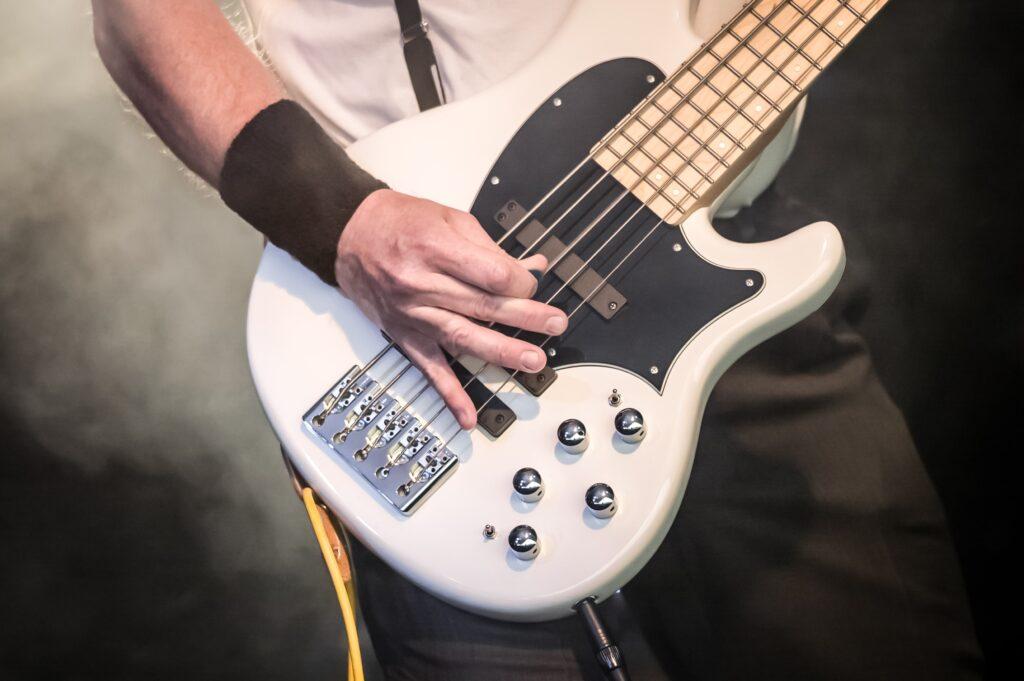
The bass guitar is an essential instrument for any modern band or ensemble. With its low-end frequencies, it provides the foundation of a song’s rhythm and gives the music depth and texture. This instrument is easy to learn but can be tricky to master, as it requires good motor skills and timing.
A bass guitar typically has four strings, which are plucked with the fingers or a pick. It’s important to develop proper technique when playing this instrument so you don’t strain your hands or injure yourself. There are also many techniques that can be used to create different sounds, such as slapping and tapping, so it pays to experiment in order to find what works for you.
It’s best to start with some basic songs and chords before progressing onto more complex pieces. You will also need to learn about music theory if you want to understand how all the components of a song work together harmonically. Sheet music can be useful for learning new tunes but don’t be afraid to make mistakes – wrong notes are all part of learning!
The bass guitar is a fantastic way to add some groove and power into your music. With practice and dedication, anyone can become competent at this versatile instrument!
Keyboard/Piano

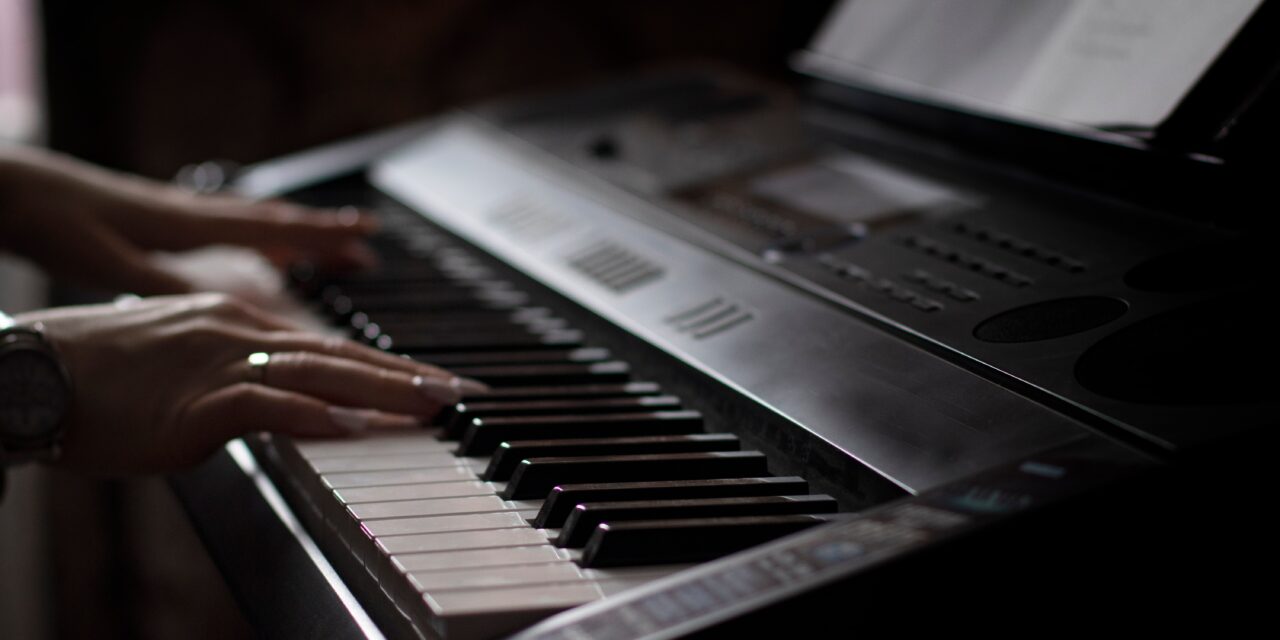
The piano or keyboard is an instrument that has been around for centuries and is one of the most popular instruments worldwide. It is played by pressing keys that produce notes which, when combined, create beautiful music. Learning the basics of playing a keyboard or piano can be done in just a few weeks with the help of a teacher or online resources.
Many people are intimidated by the complexity of the instrument but it’s actually quite simple to understand once you get into it. Start by learning basic chords, scales, and techniques such as arpeggios. Once you have mastered these basics, you’ll be able to start playing your favorite songs or even composing your own pieces. You can also take formal lessons with a qualified instructor to learn more complex pieces and gain further insight into music theory.
No matter what style of music you prefer, there is something on the piano for everyone. Whether it’s jazz, classical or pop, this versatile instrument will let you express yourself musically like no other instrument can!
Ukulele

The Ukulele is a small, four-stringed instrument originating in the 19th century in Hawaii. It has become one of the most popular instruments around the world due to its portability, affordability and ease of use. With only four strings and a few chords, it makes for an ideal beginner instrument that can be mastered relatively quickly.
It’s a great choice for those wanting to learn music without having to commit to more expensive or complex instruments like pianos or electric guitars. With some practice and patience, anyone can learn how to play this simple yet versatile instrument. You can then apply your newfound skills to playing any genre of music from pop songs to classical pieces.
Furthermore, learning the ukulele opens up the possibility of playing with others as it’s easy for multiple people to join together in playing along with one another. It’s also very social; many communities host regular meetups where likeminded individuals come together and share their love of ukuleles with each other.
Whether you’re looking for a fun way to get into music or just want something portable enough to take anywhere you go, the ukulele is an excellent choice!
Drum Set/Electronic Drums
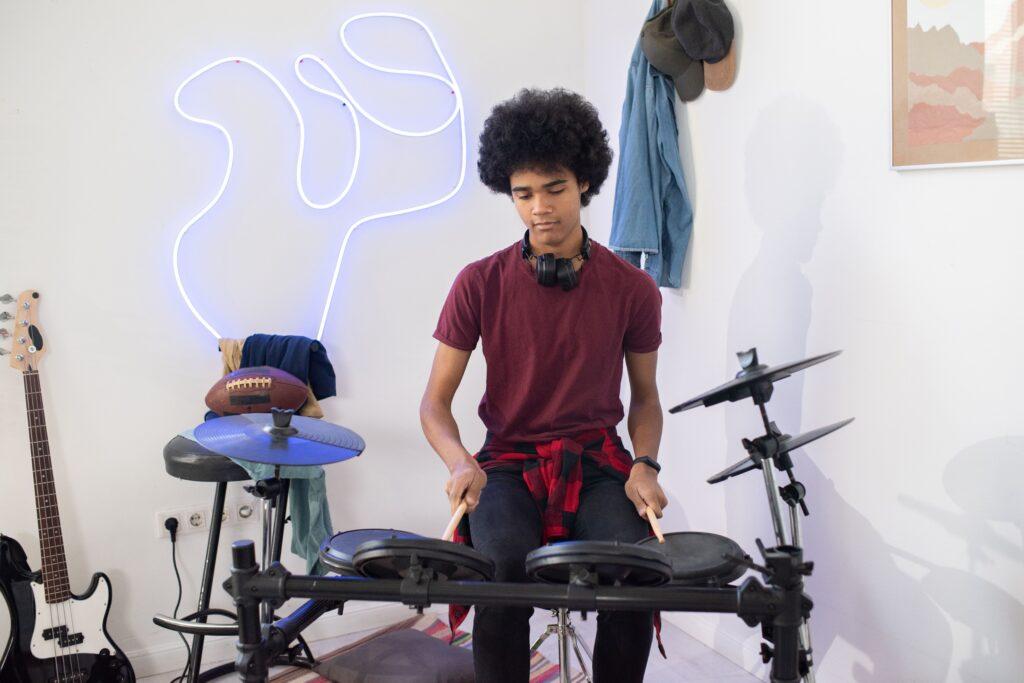
Drum set/Electronic drums are a great way to get started in learning music. Whether you’re an aspiring drummer or just want to add some beats to the mix, a drum set is an ideal instrument for beginners. A full drum kit consists of various instruments such as snare drums, cymbals, and bass drums which can be used to create complex and interesting rhythms.
For those looking for something more portable or easier to produce sound with, electronic drums are a great option. These kits come with pads that can be used to trigger different sounds and they’re often much smaller than traditional acoustic kits. Electronic drums also offer more flexibility when it comes to adjusting volume and other settings, allowing for greater control over the sound produced.
Finally, electronic drums make it easy for beginners to practice on their own without having to worry about disturbing others. With some practice and patience, anyone can learn how to play this versatile instrument and have fun creating their own unique rhythms. Whether you’re interested in playing rock or jazz music, or just want something fun and creative to do at home, an electronic drum set is the perfect instrument!
Violin/Viola/Cello

The Violin, Viola and Cello are three of the most popular and beloved string instruments in the world. While Violins and Cellos have been around for centuries, the Viola is a relatively new addition to the string family. All three instruments hold a special place in classical music, as well as many other genres such as Jazz, Pop, Rock and Folk.
For beginners looking to get started with a string instrument, these three are excellent choices. Not only are they incredibly versatile and capable of producing a wide range of sounds, but each one is also relatively easy to learn. For instance, the Violin has been used for centuries by amateur players who have never had any formal music training!
Each instrument also comes in various sizes so that people of all ages can find an appropriate size for their body type and playing style. Additionally, all three instruments come with their own unique set of techniques which allow players to create more complex pieces once they become comfortable with the basics. The vibrant tones produced by all three instruments can be heard in orchestras around the world as well as on countless recordings throughout history. With some practice and dedication, anyone can start learning these wonderful instruments!
Flute
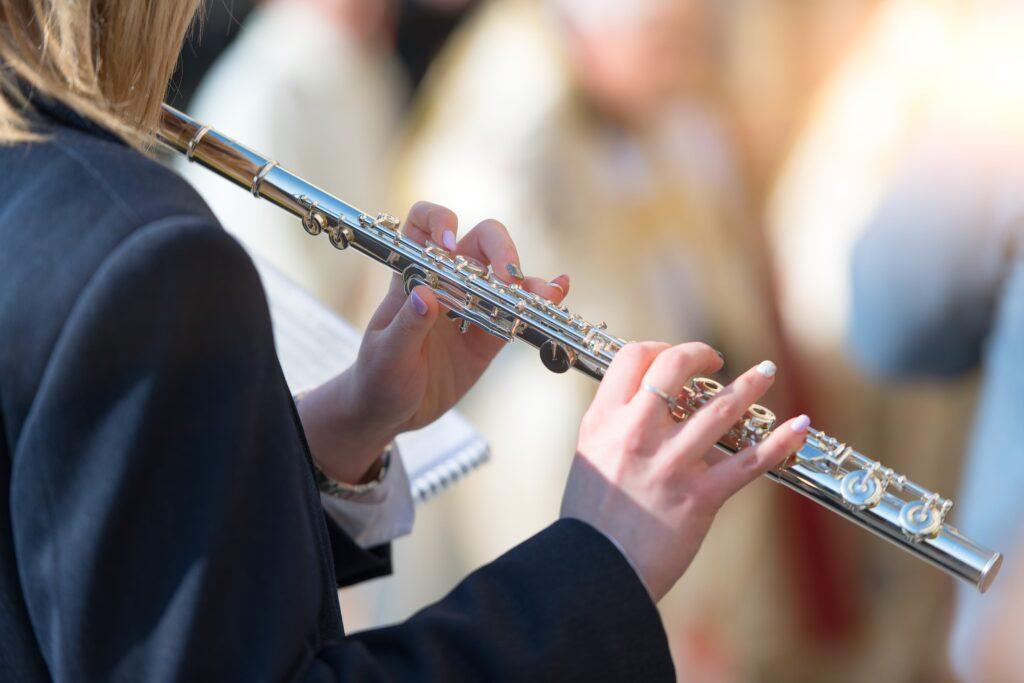
The flute is a beautiful and versatile instrument, popular for its sweet and gentle tone. It has been used in numerous genres of music throughout history, including classical, folk, jazz, and contemporary. Its unique sound is achieved by blowing across an open hole in the mouthpiece, creating a vibrating column of air within the instrument’s body.
For beginners looking to start their musical journey with a woodwind instrument, the flute is an ideal choice. Not only is it relatively simple to learn – requiring only basic motor skills and breath control – but it can also produce some of the most gorgeous sounds imaginable. Once comfortable with the basics such as posture and fingerings, more advanced techniques such as vibrato and ornamentation can be explored to create even more intricate pieces of music.
The flute is also incredibly versatile; allowing players to explore different styles of music ranging from classical to modern pop. Additionally, sheet music for all kinds of pieces can easily be found online or through local stores that specialize in musical instruments. With plenty of practice and dedication, anyone can start learning this wonderful instrument!
Harmonica
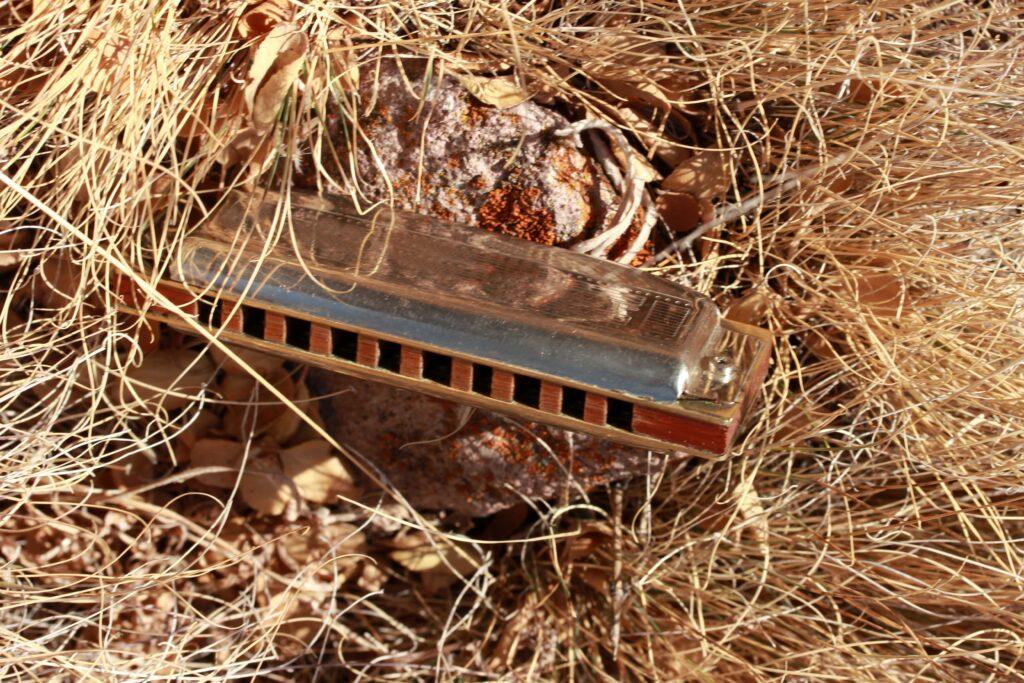
The harmonica is an incredibly popular and versatile instrument. It is small, easy to carry, and can produce a variety of amazing sounds. Often called a “mouth organ” or simply a “harp,” the harmonica has been used in many genres of music such as blues, country, jazz, and even classical.
For beginners looking to get into music, the harmonica is an excellent option. Not only is it relatively simple to learn – requiring only basic motor skills and breath control – but it can also be inexpensive compared to larger instruments. Once comfortable with the basics such as posture and fingering techniques, more advanced techniques such as bending notes and vibrato can be explored to create beautiful melodies.
The harmonica is also incredibly versatile; allowing players to explore different styles of music ranging from folk songs to modern pop. Additionally, tablature for all kinds of pieces can easily be found online or through local stores that specialize in musical instruments. With plenty of practice and dedication, anyone can start learning this wonderful instrument!
Saxophone

The saxophone is a truly unique and mesmerizing instrument. It is one of the few wind instruments that can be found in both classical and popular music, making it a great choice for any aspiring musician. Its smooth, mellow tones add a certain amount of beauty to any piece of music.
For beginners, the saxophone may seem intimidating at first due to its complex design and range of notes. However, with some practice, anyone can learn to master this instrument. Basic techniques such as posture, breathing exercises, and finger placement are very important in order to produce good sound quality from the saxophone. As you become more comfortable with the basics, you can start exploring different styles of music such as jazz or classical.
The saxophone is an incredibly versatile instrument; allowing players to create beautiful melodies with relative ease. Additionally, there are many resources available online for those looking for sheet music and tips on how to get better at playing. With some dedication and practice, anyone can start learning this amazing instrument!
Considerations when Choosing a Beginner Instrument
When choosing a beginner instrument, there are many factors to consider. First and foremost, it is important to make sure the instrument you choose is appropriate for your skill level. For example, if you are just starting out with music, an electric guitar might be too advanced and challenging. Similarly, if you have some experience in music already, a simpler instrument such as a ukulele may not provide enough of a challenge or satisfaction.
In addition to the complexity of the instrument, it’s also important to think about what type of music you want to learn or play. Different instruments are better suited for different genres; strings instruments like the violin or viola may be more suitable for playing classical music while percussion instruments like drums may be better for rock or pop songs.
Finally, budget should also be taken into account when selecting an instrument. Some instruments can be expensive and require additional gear such as amplifiers or pedals; make sure you do your research before investing in any equipment.
Overall, choosing a beginner instrument is an individual decision that should take into consideration your own skill level and interests as well as budget considerations. With some careful thought and research, anyone can find the perfect instrument for them!
No matter what instrument you choose, always remember that the most important factor is your enthusiasm and dedication. With a little bit of effort, you can learn to make beautiful music no matter what you start with. Now let’s explore how other factors like age, level of interest and motivation, budget and accessibility to lessons, and physical size and dexterity all play a role in finding the perfect beginner instrument for you!
Age of the Learner
Age is an important consideration when selecting a beginner instrument. Younger children may be better suited for instruments that are easier to learn such as a ukulele or recorder, while older students may have more success with a stringed instrument like a guitar or violin.
The level of interest and motivation should also be taken into account. If the student is passionate about their chosen instrument, they will likely have an easier time learning and mastering it than someone who is less enthusiastic.
Budget and accessibility to lessons are also key factors in choosing the right instrument. Some instruments require additional gear such as amplifiers or pedals which can add significantly to the cost; make sure you research before investing in any equipment. Additionally, if private lessons are not accessible, consider joining an online class or finding an affordable tutor in your area.
Finally, physical size and dexterity required to play the instrument should be considered when selecting one for a beginner. Instruments such as drums may require larger hands while smaller instruments like recorders will require less coordination and strength. Ultimately, the choice of which beginner instrument suits you best should take all of these considerations into account!
Tips for Getting Started with Playing an Instrument
Getting started with playing an instrument can be a daunting endeavor, but it doesn’t have to be. With a bit of patience and hard work, you can learn to play the instrument of your dreams! Here are some tips for getting started:
Start with something you enjoy listening to. If possible, pick an instrument that you have heard before and like the sound of. This will make it easier to stay motivated during practice sessions and make learning more enjoyable overall.
Have patience and be willing to make mistakes. Learning any new skill requires making mistakes – don’t let this discourage you! Instead, use those mistakes as opportunities to grow and improve your technique.
Practice regularly and with consistency. Setting aside time each day to practice is key if you want to see progress in your playing ability. Even 10-15 minutes each day can go a long way in improving your skills!
Use online resources to supplement traditional lessons. There are many great tutorials available online that can help fill in gaps between lessons or provide additional guidance on tricky topics.
Finally, find a mentor or join an ensemble. Playing music with others is one of the best ways to develop your skills as an instrumentalist – plus it’s fun! Ask around at local music stores or schools for mentors or groups that are looking for new members.
By following these tips, anyone can begin their journey towards becoming an accomplished musician!
Conclusion
Learning to play an instrument is a journey that requires dedication and patience. It can be difficult at times, but the reward of being able to create music with your own hands is worth it. With the right approach, anyone can become a skilled musician! Be sure to start with something you enjoy listening to, practice regularly, have patience, use online resources as needed, and find a mentor or join an ensemble. With these tips in mind and plenty of practice, you’ll be playing songs you love in no time.