From the sweet lullaby of a lullaby to the sweet sound of a trumpet, music is one of life’s most beloved art forms. Whether you’ve just started out or have been playing an instrument for years, being able to read sheet music is an invaluable skill that can enhance your performance and open up new possibilities in the world of music. In this article, we will explore how to learn to read sheet music for any instrument, starting with basic concepts like notes and clefs and progressing towards more advanced techniques like sight-reading and understanding musical notation. So grab your instrument and let’s get started!
Getting Started
Before you dive into the world of sheet music, it’s important to understand the basics of music notation. Learning how to read sheet music is crucial for musicians. It involves identifying notes and clefs on a staff, recognizing different time signatures, understanding rhythm, and familiarizing oneself with common musical symbols. With practice, anyone can become proficient at reading sheet music.
Identifying the Notes and Clefs on a Staff
Before you can learn to read sheet music, it is important to know the basics of music notation. This includes identifying the two main clefs, treble and bass. These clefs are used to indicate which notes and instruments are being used in a piece of music. Additionally, key signatures and time signatures are essential for understanding what type of scale and rhythm is being used.
It is also important to become familiar with note names, note values, and other symbols found on sheet music such as stems, flags, and beamed notes. Once you have these fundamentals down, you can move on to more advanced techniques such as sight-reading pieces of music that contain both single notes and chords.
Understanding Rhythm in Music Notation
Rhythm is an essential element of any piece of music, and understanding the basics of rhythm notation is key to reading sheet music. In music notation, rhythm is indicated by note values such as quarter notes, eighth notes, sixteenth notes, and so on. These notes are written with a combination of note heads and note stems (which may also include flags).
Additionally, tempo markings such as beats per minute (BPM) can be found at the start of a piece to indicate the speed at which it should be played. When learning how to read sheet music for your instrument, it is important to practice recognizing various rhythmic patterns and understanding their corresponding symbols.
Familiarizing Yourself with Common Musical Symbols
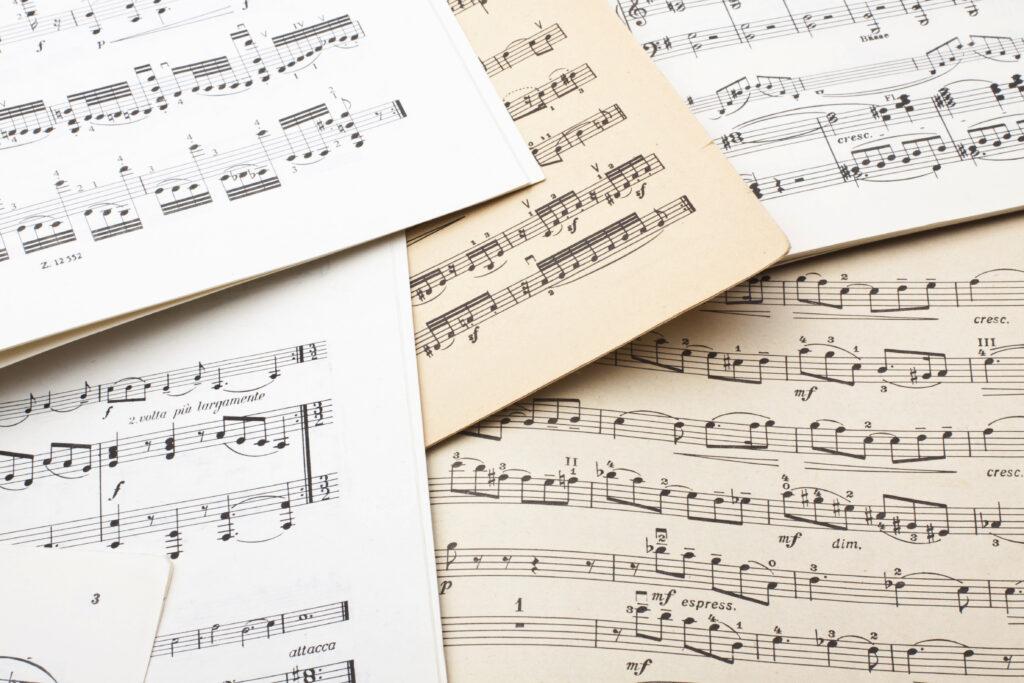
Familiarizing yourself with common musical symbols is an important step on the path to being able to read sheet music for your instrument. Musical symbols are used in sheet music to describe and communicate information about a piece of music such as tempo, dynamics, articulation, and more.
Some of the most common musical symbols include crescendos and decrescendos (indicating a gradual increase or decrease in volume), slurs (indicating a smooth transition between two notes), staccatos (indicating a short, detached sound), accents (emphasizing specific notes), and repeats (repeating sections of music). Taking the time to learn and understand these symbols will help you make sense of any sheet music you encounter.
Developing Your Reading Skills
Improving reading skills is important when learning to read sheet music. Sight-reading exercises can help train the brain to read and interpret music faster. Memorizing pieces helps focus on technical aspects. Understanding time signatures, key signatures, and tempos is crucial. Learning aids such as flashcards and music theory books can enhance skills and understanding. Developing reading skills leads to becoming a more proficient musician.
Practicing Sight-Reading Exercises
Sight-reading exercises are an important part of learning how to read sheet music for your instrument. Regular practice of sight-reading helps develop a quick understanding of musical symbols and notation, as well as the ability to recognize patterns quickly. To begin, it is important to become familiar with note values and names, time signatures, key signatures, and common musical symbols.
Once you have a basic understanding of these concepts, you can start practicing different pieces of sheet music at various tempos. Using a metronome or playing along with recordings is beneficial in keeping a steady beat while you practice. As you become more comfortable with reading different pieces of sheet music, challenge yourself by increasing the tempo or trying out different genres of music.
Memorizing Musical Pieces
Memorizing musical pieces is an essential part of learning how to read sheet music for your instrument. Once you have learned the basics of note reading and musical notation, you can begin to apply your knowledge by committing songs to memory. Start by breaking down each piece into smaller sections, such as individual measures or lines.
As you practice each section, focus on playing with accuracy and precision while maintaining a steady tempo. Once you have mastered one section, move on to the next until the entire piece has been memorized. It is important to practice memorization in addition to sight-reading exercises as it allows for a deeper understanding of the structure of a song and its nuances.
Understanding Different Time Signatures, Key Signatures, and Tempos
Understanding different time signatures, key signatures and tempos is an important part of reading sheet music for your instrument. Time signature refers to the number of beats in a measure, as well as the note value that corresponds to one beat. The most commonly used time signatures are 4/4, 3/4, 2/4, 6/8, and 9/8. Key signature indicates which notes will be sharp or flat throughout a piece.
Tempo refers to the speed at which a song is played and is measured in beats per minute (BPM). Knowing how to recognize these terms and how they are used in music notation will help you better understand any piece of sheet music. In order to get a handle on these concepts, practice sight-reading several pieces of music with varying time signatures and key signatures while maintaining a steady tempo with a metronome or other rhythm device.

Using Learning Aids to Enhance Reading Skills
Using learning aids to enhance your reading skills can be a great way to increase your understanding of sheet music. There are many helpful tools you can use, such as flashcards and music theory books. Flashcards are an excellent way to practice note names, note values, and other symbols. Music theory books provide in-depth explanations of different musical concepts that can help you understand the structure of a piece of sheet music.
Additionally, online resources like websites and video tutorials offer additional guidance on how to read sheet music for your instrument. Taking advantage of these learning aids can make reading sheet music easier and more enjoyable.
Reviewing and Refining Your Skills
Learning how to read sheet music is important for musicians, but it requires regular practice and refinement. This involves analyzing music theory concepts and identifying patterns in sheet music. Joining a music class or group can also be helpful. Improving sheet music reading skills can enhance performance ability and overall understanding of music.
Analyzing Music Theory Concepts
When learning to read sheet music, it is important to develop an understanding of the underlying music theory concepts. This includes understanding key signatures, time signatures, note names and values, and other musical symbols. Analyzing these concepts allows you to understand how a piece of music is structured and how all of the elements come together to create a meaningful musical experience. Additionally, by familiarizing yourself with these concepts you can begin to recognize patterns that will help you quickly identify notes on sight.
Identifying Patterns in Sheet Music
Once you have a good grasp of the underlying music theory concepts, it is time to start identifying patterns in sheet music. Analyzing the notes on a piece of sheet music and looking for recurring patterns can help you understand the structure of the piece and how each note relates to one another. Common patterns include major scales, minor scales, arpeggios, and intervals. Additionally, recognizing common rhythms such as quarter notes, eighth notes, sixteenth notes, dotted quarters, and so forth will also help you read sheet music quickly and accurately.

Joining a Music Class or Group
Joining a music class or group is an excellent way to learn how to read sheet music. Whether it’s a local band, choir, orchestra, or another group of musicians, there are likely plenty of resources available to help you become a better reader. Working with others provides a great opportunity to practice the concepts you’ve learned and ask questions about difficult topics.
Additionally, it can be helpful to observe more experienced musicians and get input from them on how they approach reading music. Joining a class or group may also allow you access to more advanced literature than what is available through self-teaching methods.
Conclusion
Reading sheet music is a difficult but rewarding skill to learn. With the right resources and dedication, anyone can master the basics of reading music for their instrument. From learning how to read treble and bass clef staffs, understanding key signatures and time signatures, recognizing note names and values, and being able to identify musical notation symbols, there are many important concepts to understand when learning how to read sheet music. Taking advantage of self-teaching methods such as online courses or books is a great way to get started.
Additionally, joining a local class or group may provide more advanced literature and help you practice with other musicians. With the right approach and practice, anyone can become proficient in reading sheet music for their instrument.