From the block parties of New York City to the global stages of today, hip-hop has undeniably made its mark on the history of music. But what is hip hop, and how did it become so influential? Its origins can be traced back to the 1970s when a group of pioneering artists helped shape the genre into what we know today. This article will explore the history and evolution of hip-hop music—from its early sound to its modern manifestations—and discuss how it has shaped pop culture and society at large.

Definition of Hip Hop Music
Hip-hop is a musical genre that originated in the late 1970s in the African-American, Latino, and Caribbean communities of New York City. It encompasses rap music, DJing and scratching breakdancing, and graffiti art. Hip-hop is often characterized by its creative use of rhythm and rhymes to tell stories or express social commentary. The lyrical content often contains elements of socio-political issues and popular culture as well as references to its regional styles of music. Its beats are derived from funk, jazz, rock, soul, and Latin genres. As it has grown into an international phenomenon, hip-hop has become a powerful cultural movement with a strong influence on fashion, art, and language.
Origins of Hip-Hop Music
Hip-hop music originated in the South Bronx in the 1970s and was heavily influenced by funk, soul, and disco music. DJ Kool Herc is one of the key figures in shaping the genre. Hip-hop has had a significant impact on pop culture and society, influencing fashion, language, and politics, and serving as a tool for social and political activism. It has produced some of the biggest names in music and remains an important cultural force. Since its inception, hip-hop has become an influential genre of music that continues to grow and evolve with each new generation of artists. Its influence can be seen not only in the musical landscape but also in fashion, art, and language as well as film and television production.
Emergence in New York City in the 1970s
Hip-hop music emerged in New York City in the late 1970s and was developed primarily by African-American, Latino, and Caribbean communities. The genre was a response to the lack of representation these communities were experiencing in mainstream media. It featured strong beats and rhymes that often expressed socio-political issues, popular culture, regional styles of music, and other topics of interest. DJ Kool Herc is credited with inventing breakbeat deejaying at block parties which allowed people to share their music with one another.
School talent shows beginning featuring rap battles between students also helped to bring greater attention to hip-hop music. Through these gatherings, DJs began playing records backward or looping short sections over again to create unique sounds and rhythms.
Key Figures Who Helped Shape the Genre
Hip-hop music has been shaped by many key figures throughout the years. One of the most influential artists was Kurtis Blow, who is credited with introducing rap music to a wider audience in 1979 with his hit single “The Breaks”. Another key figure was Queen Latifah, who helped to popularize hip-hop among women and broaden its appeal beyond just urban audiences. Snoop Dogg, who rose to fame in the early 1990s, helped to bring West Coast gangsta rap into the mainstream and influenced a generation of younger rappers. Kendrick Lamar emerged in 2010 as one of the most acclaimed hip-hop artists of all time, blending musical styles from both coasts and pushing boundaries with his socially conscious lyrics.
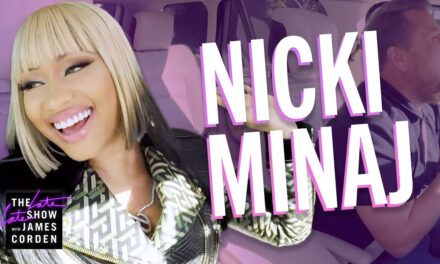
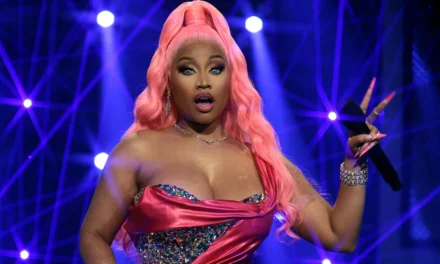
In addition, J. Cole also gained notoriety for his introspective rhymes and ability to blend multiple styles of poetry into one song. Nicki Minaj has also had an incredible impact on the genre by becoming one of the first female rappers to achieve mainstream success and helping to make hip-hop more accessible for women.
Impact on Pop Culture and Society at Large
Hip-hop music has changed the landscape of popular culture and had a profound impact on society at large. Since its emergence in the 1970s, hip-hop has become a powerful form of expression that has been used to address socio-political issues such as poverty, racism, sexism, and police brutality. The genre has also given voice to marginalized communities who have long been underrepresented in mainstream media. Hip-hop has spawned countless subgenres and styles, from trap and grime to funk and R&B, which have provided much-needed representation for often overlooked musical styles.
In addition to the influence it has had on other forms of music, hip-hop has also had an impact on fashion trends with its signature streetwear style and iconic fashion statements like baggy jeans and high-top sneakers. Finally, hip hop’s influence is evident in the way it crosses over into TV shows and movies as well as marketing campaigns for major brands.
Early Sound of Hip Hop
Early hip-hop was influenced by DJs who looped and extended instrumental breaks of funk, soul, and disco records to create a new sound with heavy basslines and syncopated drum patterns. MCs delivered rhythmic and poetic rhymes, and pioneering groups addressed social and political issues. This era laid the foundation for hip-hop’s continued evolution and influence on popular culture.
Breakbeat-based Music Influences
Breakbeat-based music has been an integral part of the development and evolution of hip-hop. From its earliest days, producers began experimenting with sounds from funk, disco, jazz, and other genres to create a unique sound. Breakbeat-based music is characterized by its syncopated rhythms, often sampled from classic records. This style of production enabled producers to layer different samples on top of each other to form complex soundscapes that are both energetic and hypnotic.
The influence of breakbeat-based music can be heard in numerous classic hip-hop songs such as Run DMC’s “It’s Tricky”, Public Enemy’s “Rebel Without A Pause” and Dr. Dre’s “Nuthin’ But A G Thang”.
Development of Genre’s Iconic Rhymes and Beats
Hip-hop music has come a long way since its humble beginnings in the late 1970s. From its early days of block parties and school dances, hip-hop has grown to become one of the most popular genres of music worldwide. Its iconic rhymes and beats have been developed over time through the work of innovative artists such as Kurtis Blow, Queen Latifah, Snoop Dogg, Kendrick Lamar, Nicki Minaj, J. Cole, and many others. These artists pushed the genre forward by creating new styles of rhyming and experimenting with different types of beats and rhythms.
The influence of hip-hop can be seen throughout popular culture today. While it still retains its roots in rap music, it has also taken on elements from other musical styles such as jazz, reggae, rock, and more to create a unique fusion sound that is both recognizable and ever-evolving. Hip-hop has also become a powerful platform for discussing socio-political issues as well as tackling topics related to race, gender, and class in an effort to drive social change.
Pioneering Rap Groups and Artists
Rap music has a long and storied history, with its pioneers dating back to the late 1970s. In the early days of rap, pioneering groups such as The Sugarhill Gang, Grandmaster Flash and the Furious Five, and Run-D.M.C. laid down the foundation for what would become one of the most popular genres of music in the world. These groups are credited with creating regional styles that defined east coast and west coast rap, which continues to influence hip-hop culture today.
Other influential artists from this period include LL Cool J, KRS-One, Public Enemy, Dr. Dre, and more who helped shape hip-hop into a powerful cultural movement with its own unique style of poetry and musical expression. As rap gained popularity in mainstream culture it was also embraced by artists from different backgrounds who pushed the boundaries of the genre even further by incorporating elements from other musical styles into their work.
Mainstream Popularity and Expansion of Genre
Pop music has become increasingly popular in recent years. Pop music has also crossed over into other genres, and subgenres within pop have allowed for greater diversity and experimentation. Pop music’s catchy hooks and relatable lyrics have resonated with audiences around the world, bringing about a new era of global music culture.
Rise of Pop Hits Across the Globe
In the late 2000s and early 2010s, hip-hop music began to take on a more pop-like sound as it spread across the globe. Artists such as Kanye West, Drake, and Rihanna created radio-friendly songs that combined elements of hip-hop with melodic melodies and catchy hooks. This new sound not only gained popularity in the U.S. but also resonated with fans in Europe, Australia, Asia, and elsewhere. These pop hits crossed over into mainstream culture and even earned numerous awards for their musical achievements.
As hip-hop continued to grow its global fanbase, artists began collaborating with each other to create unique sounds that were truly global in nature. Justin Bieber’s hit single “Baby” featuring Ludacris was released in 2011, this collaboration pushed the genre forward by introducing new sounds and vibes from different regions of the world.
Crossover Into Other Genres and Media
Hip-hop music has had a huge impact on popular culture, not only through its influential sound but also by crossing over into other genres and media. From remixes of classic rock songs to sample-based beats in electronic music, hip-hop influences have been felt across the musical spectrum. Hip-hop beats are now commonplace in pop, EDM, R&B, and even country music.
The influence of hip-hop has also extended beyond just music. Films such as 8 Mile (2002) and Get Rich or Die Tryin’ (2005) centered around the art form and its culture, while reality shows like The Hills: New Beginnings (2019) feature prominent hip-hop artists as part of the cast. Music videos often employ stylized visuals that draw from traditional elements of hip-hop culture such as graffiti art, breakdancing, and rap battles.
Proliferation of Subgenres
Since its inception in the 1970s, hip-hop music has evolved and changed, leading to a proliferation of subgenres. Early pioneers like Kurtis Blow and Grandmaster Flash helped lay the foundation for what would become an incredibly diverse genre. The 80s saw the rise of West Coast G-Funk, with artists such as Dr. Dre and Snoop Dogg creating a sound that would become synonymous with Los Angeles. Meanwhile, on the East Coast, Run DMC and Public Enemy brought a harder edge to rap music that focused on socio-political issues.
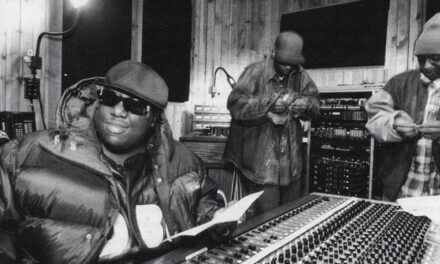
The 90s ushered in a new wave of hip-hop artists such as Queen Latifah, A Tribe Called Quest, Notorious B.I.G., Wu-Tang Clan, and Outkast who further diversified the genre with their unique styles and approaches. Since then, hip-hop has continued to expand into new directions with artists like Kendrick Lamar, J Cole, and Nicki Minaj pushing boundaries and incorporating elements from other genres such as jazz, soul, funk, and even classical music into their work.
Modern Hip Hop Music
Hip-hop music has evolved with the rise of sub-genres like trap and mumble rap and has become popular among younger audiences globally. It has influenced music videos, fashion, and technology, and continues to innovate and impact popular culture.
The popularity of Trap and Mumble Rap
Trap and mumble rap have become two of the most popular forms of hip-hop music in recent years. Trap has its roots in the Southern United States, while mumble rap originated in the 2010s, with some of its earliest stars being Lil Uzi Vert and Future.
Both trap and mumble rap is characterized by repetitive beats, dark production, and often-nonsensical lyrics. While some critics have argued that these styles lack lyrical depth or meaningful content, they have become incredibly popular among young people all over the world due to their high-energy beats and catchy choruses. They also provide a cultural outlet for many youths who feel like they don’t fit into traditional hip-hop culture, as well as those who are looking for something new and exciting to listen to.
Globalization of the Genre
Hip-hop music has always been a reflection of the culture and experiences that exist in its various localities. From its origins in the South Bronx to its evolution into a global phenomenon, hip-hop has seen many different iterations and styles emerge around the world. With an ever-growing reach, hip-hop has become an international language, transcending geographical boundaries and connecting people from all walks of life.
The globalization of hip-hop music is due in part to the internet, which has allowed for unprecedented access to music from all over the world. As more people have gained access to high-speed internet, they have been able to explore new genres and discover artists they may never have encountered before. This newfound connection between fans and musicians has resulted in a broader appreciation for hip hop as a genre, as well as interest in regional styles from countries around the globe.
Impact on Music Videos, Fashion, and Technology
Hip-hop music has had a profound impact on the world of music videos, fashion, and technology. Music videos have become more visually stimulating and innovative since the emergence of hip-hop, incorporating elements from the genre’s culture such as graffiti art and breakdancing. Meanwhile, fashion has been heavily influenced by hip-hop’s unique style, with elements such as baggy jeans and oversized clothing becoming popular trends in modern streetwear. Finally, technology has also been impacted by hip hop’s influence; rap lyrics often reference technical advances such as computers and video games while technological advances allow DJs to manipulate sound samples and create new beats.
The influence of hip-hop extends far beyond just the music itself; it has become an integral part of our culture today. In many ways, it is a reflection of our society – one that is constantly changing and evolving with each passing year. As long as hip-hop continues to express a message that resonates with its listeners, its impact will only continue to grow.
Conclusion
Hip-hop music has had a profound impact on the world of music, fashion, and technology. It is a genre that has been able to evolve alongside its audience and continues to break boundaries with its sound. Hip hop’s influence is felt not just in its beats but also in its messages; it is a platform for artists to express their ideas and perspectives on many topics such as socio-political issues and popular culture. As the genre continues to grow, hip-hop will remain an important part of our society – one that both brings people together through its infectious rhythms and speaks out against injustices using powerful lyrics.