
From the earliest days of rock and roll to today’s modern pop stars, music has always had an incredible impact on society. Pop music has been used for decades as a form of expression and entertainment, but it also serves as a reflection of our current attitudes and culture. It has the power to bring people together, influence fashion trends, and even generate profits for the industry. But does this popular genre come with a few negative side effects? Let’s explore how pop music affects our world both positively and negatively.
The History of Pop Music
Pop music has been around since the 1950s, when it first started as a genre of rock and roll. As time passed, the genre began to evolve, incorporating different forms of music such as funk and disco in the 1970s. In the 1980s, artists like Michael Jackson and Prince created an entirely new sound that was unlike anything heard before. The 1990s brought even more variation, with genres such as hip-hop and rap becoming increasingly popular. Today, pop music is made up of many different elements from various genres and is constantly changing to match current trends and tastes. Throughout its history, pop music has provided a soundtrack to our lives—from Elvis Presley’s “Hound Dog” to Ariana Grande’s “7 Rings”—and has been an integral part of our culture for decades.
Pop music has been an ever-evolving genre with its sound and message changing over time to reflect the culture of each era. From its early days to today, it has been a part of our lives and continues to be a source of entertainment for generations. Next, we’ll look at how modern pop music has developed over the years.

Development of Modern Pop Music
Modern pop music has developed significantly since its inception in the 1950s. In the past, it was almost exclusively based on rock and roll, but as time passed it gradually absorbed elements from other genres such as funk and disco. The 1980s brought a new sound to the pop music scene thanks to acts like Michael Jackson and Prince; their influence created a new style of popular music that incorporated aspects from R&B, rock, rap, and more. By the 1990s, many different genres including hip-hop and rap had become increasingly popular in mainstream pop music. In recent years, electronic dance music has become a major influence on modern pop songs.
Popular artists today often mix different genres together in their work to create entirely unique styles of music that can resonate with listeners all over the world. Additionally, modern pop songs often contain social messages or references to current events which can make them even more relevant to people’s daily lives. Pop musicians are now able to use videos and other visual media to promote their work and connect with fans on an even deeper level than ever before. With its ability to shape popular culture and influence our daily lives, modern pop music is a powerful force that continues to evolve with each passing year.
Major Influencers in the Genre
Throughout its history, modern pop music has been shaped and influenced by a number of iconic figures. Elvis Presley is widely considered to be the founding father of rock and roll and his influence can still be felt today in many popular songs. Similarly, Jimi Hendrix is credited with introducing the electric guitar to the genre, which revolutionized modern pop music for years to come. Music legends such as Michael Jackson and Prince helped usher in a new era of pop music in the 1980s that continues to be relevant today. More recently, artists like Ariana Grande have used their platforms to bring attention to important social issues while creating chart-topping hits. Every influencer has left an indelible mark on the genre, making contemporary pop music what it is today.
Popular Culture and Social Interaction
Pop culture and social interaction are intrinsically linked, with popular music having a major influence on both. Music is often used as a form of entertainment, but it can also be an important tool for bringing people together, creating unity and encouraging dialogue. Popular songs often reflect the current climate of society and create an emotional connection with listeners, allowing them to express themselves through dance, song or simply listening. This type of social interaction has been proven to have positive effects on mental health and well-being. Furthermore, popular music can help break down barriers between different cultures and bring people closer together in understanding. In this way, pop culture has played an integral role in contributing to a more harmonious society.
Pop culture has the power to bring people together and encourage dialogue, creating a more harmonious society. By reflecting the current climate of society through its creative expression, popular music provides an avenue for self-expression and connection. But this is just the beginning – next we’ll look at how pop culture reflects and influences current attitudes in lyrics and videos.
Reflection of Current Attitudes in Lyrics & Videos
Pop music lyrics and videos often reflect the current attitudes of society. From songs that give us hope in difficult times, to those that challenge social norms, popular music can be a powerful tool for expressing opinions and communicating ideas.
The themes explored in today’s pop songs range from issues of social justice, to personal growth and empowerment. Music videos provide an additional platform for artists to explore these topics further by visually representing their messages.
From Rihanna’s ‘Anti’ album to Ariana Grande’s ‘Thank U, Next’, many modern pop songs contain empowering messages about self-love, acceptance and resilience. Similarly, Michael Jackson’s classic song ‘Man In The Mirror’ serves as a reminder of our responsibility towards others and the importance of taking action in order to make a difference.
In this way, pop culture provides an effective means for people to express themselves through music. Not only does it offer an opportunity for reflection on current issues within society, but it also has the potential to provoke lasting change by inspiring listeners with its revolutionary messages.
Use of Social Media to Promote Songs & Artists
Social media has become an essential tool for promoting songs and artists. From small independent acts to major label superstars, everyone is taking advantage of the platform’s wide reach in order to spread their music across the globe.
The use of social media accounts such as Facebook, Twitter and Instagram enables artists to interact with fans directly and provides an effective way to keep people informed about upcoming releases and live events. Through carefully crafted posts, artists can create hype around a new single or album and engage with their followers in interesting ways.
Social media also provides an opportunity for emerging acts to establish themselves by tapping into different fan communities, such as those on Reddit or YouTube. By using these platforms, musicians are able to effectively target specific audiences and build a larger fan base.
Overall, social media can be used as a powerful promotional tool for musicians looking to make it big in the industry. By harnessing its potential, artists can expand their reach beyond traditional music channels and capitalize on the ever-growing digital sphere.
Concerts & Festivals: Bringing People Together Through Music
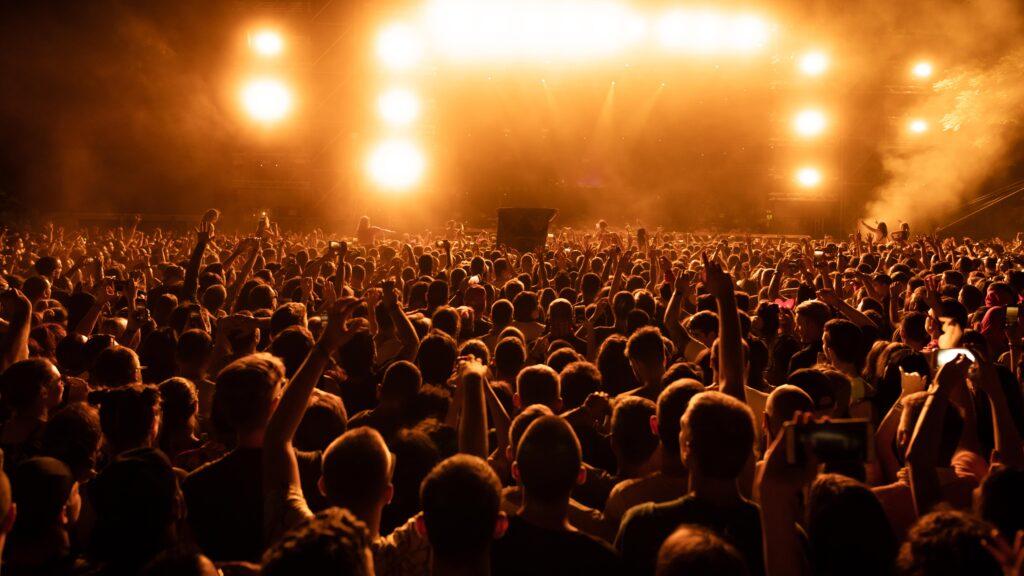
Concerts and festivals are an important part of popular culture, bringing people together from all walks of life to enjoy music in a communal setting. Not only do they provide an opportunity for fans to come together and celebrate their favorite artists, but they also create special memories that will last a lifetime.
These events offer an audio-visual experience that can’t be replicated elsewhere. From the booming bass lines of EDM sets to the emotional ballads of singer-songwriters, concerts give fans the chance to witness their favorite songs performed live. Additionally, many large-scale festivals now feature interactive art installations, local food vendors and other activities to keep attendees entertained throughout the event.
Perhaps most importantly, concerts and festivals provide a safe space for individuals to connect with others who share similar interests or tastes in music. These events allow for meaningful social interaction between strangers in a unique environment that celebrates creativity and unity.
All in all, concerts and festivals are an important part of popular culture, providing people with a place where they can come together and find joy through music.
Impact on Clothing, Fashion and Style Trends
Pop music has been a major influence on clothing, fashion and style trends for decades. From the early days of Elvis Presley and Jimi Hendrix, to the modern-day likes of Ariana Grande and Michael Jackson, popular music has consistently pushed boundaries when it comes to fashion. Music videos in particular have been instrumental in setting new trends and inspiring individuals to express themselves through their clothing choices.
The impact of popular music on clothing has been widely documented by academics, with Oxford University Press noting that “style is an expression of self-identity…and for many teenagers today this identity is strongly linked to musical tastes”. Music genres such as hip-hop, dance and folk have all had a significant influence on fashion trends over the years, with each style creating its own unique look and feel.
Popular music has also had an effect on the wider fashion industry, with many brands incorporating elements from different genres into their designs. The result is a constantly evolving landscape of fashion that draws inspiration from all types of music.
In summary, it is clear that popular music has had a major influence on clothing, fashion and style trends over the years, helping to shape our sense of individual identity while also giving rise to new trends in the wider fashion industry.
Economic Effects of Pop Music
Pop music has had a tremendous impact on the global economy. From the sale of CDs and albums to merchandise, concerts, and ticket sales, pop music generates millions of dollars every year in revenue for artists, record labels, promoters, and other related businesses.
The music industry is an important part of the entertainment sector that supports millions of jobs around the world. In addition to generating revenue for artists and record labels, live performances by popular musicians also generate revenue for local businesses such as hotels, restaurants, transportation services and venues.
Moreover, streaming services such as Spotify have revolutionized how people listen to music and has opened up new opportunities for emerging artists who now have access to a global audience. This has also led to new business models such as subscription-based streaming services which allow users to pay a monthly fee in exchange for unlimited access to songs from different genres.
In conclusion, pop music has had a significant economic impact on society over the years. From generating revenue through album sales and merchandise to providing employment opportunities in the music industry and beyond, its influence will continue to be felt far into the future.
Pop music has truly changed the way we listen to and enjoy music, and it’s impossible to deny its economic power. With its influence only growing stronger, it’s clear that pop music will continue to be a major driver of revenue in the global economy for years to come. But just how much money is the industry making? Stay tuned to find out!
Profits Generated by the Industry
The global music industry generates billions of dollars of revenue each year and continues to be a major driver of economic growth. From album sales and streaming services to concerts and merchandise, artists, record labels, promoters, and other related businesses benefit greatly from the profits generated by the industry.
In recent years, the rise of digital music platforms has changed how people listen to music, with streaming services such as Spotify becoming increasingly popular. This has also led to new business models such as subscription-based streaming services which allow users to pay a monthly fee in exchange for unlimited access to songs from different genres.
Moreover, live performances by popular musicians generate revenue for local businesses such as hotels, restaurants, transportation services and venues. With more people attending live shows than ever before, this is an area that continues to grow in popularity and profitability.
Overall, pop music is one of the most profitable industries in the world today and its influence looks set to continue growing far into the future. With more people listening to and enjoying music than ever before, it’s clear that this sector will remain an important contributor to economic growth for many years to come.
Supporting Jobs Related to the Production and Promotion of Music
Pop music has had a major influence on society, not only in terms of culture and entertainment, but also through the many jobs it supports. From sound engineers and musicians to music promoters and studio technicians, there are a multitude of positions available in the industry related to the production and promotion of music.
The growth of streaming services such as Spotify has led to an increase in demand for people working in the music industry. Jobs range from those involved in the technical side of production, such as recording engineers and producers; to those focused on marketing and promotion, including radio pluggers who help promote records to radio stations.
Moreover, some people find employment as writers or bloggers who review new releases or comment on various aspects of music culture. These professionals offer important insights into what makes certain songs popular with different audiences, helping record labels make informed decisions about their next releases.
Overall, pop music’s impact on society extends far beyond its cultural significance; it is also an important source of employment for many people around the world. As more listeners become engaged with this genre of music each day, its ability to support jobs related to its production and promotion is likely to remain strong in years to come.
Positive Influence on Society through Pop Music
Pop music has had a positive influence on society, encouraging social interaction and providing a soundtrack to daily life. From Michael Jackson and Elvis Presley to Ariana Grande and Jimi Hendrix, many of the biggest names in pop music have become icons of popular culture. Through their music, these artists not only provide entertainment for listeners but also inspire people to come together and share in experiences.
Pop songs often contain empowering messages that can motivate people to pursue their dreams despite obstacles they may face. In addition, many popular songs are an expression of emotion or relatable situations that can give comfort to those who need it most. Furthermore, the upbeat nature of much pop music encourages dancing and other forms of physical activity which can improve overall health and wellbeing.
Ultimately, pop music has had a huge impact on society by providing positive influences through its uplifting melodies, catchy beats and thought-provoking lyrics. As this genre continues to evolve with new styles of music emerging all the time, so too will its ability to positively enrich the lives of those who listen.
Pop music is a truly powerful force in our society, bringing people together through shared experiences and providing an uplifting soundtrack to our lives. With its ability to inspire and motivate, pop music has become an integral part of the cultural landscape. Now, as we look ahead to the next generation of music appreciation, let us take time to explore the importance of education and appreciation for different types of genres.
Education and Appreciation for Different Types Of Music Genres
Music appreciation is the key to understanding and enjoying different types of music genres. From classical music to jazz, hip-hop, rock and pop, each type of music has its own unique sound and history. Education in music appreciation can help individuals better understand how these various genres fit into the larger picture of our culture today.
For example, learning about the history behind a particular type of music can provide insight into how it evolved over time, as well as how it has impacted popular culture. Additionally, exploring the various instruments used in different genres can be beneficial for developing an overall appreciation for all forms of music.
In addition to learning more about specific genres, gaining a better understanding of the lyrics and messages found within certain songs can provide valuable information on social issues at hand. Finally, incorporating other art forms such as dance or theatre performances into one’s appreciation for different types of music can broaden one’s horizons even further.
By educating oneself on different types of music genres, we not only gain an appreciation for what makes them so unique but also further our understanding of their impact on society as a whole. Through this process we are then able to enjoy a variety of musical experiences that allow us to explore new sounds and perspectives while also connecting with other individuals who share similar interests in music.
Positive Messages Through Song Lyrics & Performances
Music has been a powerful force in the world since its inception. With lyrics ranging from joyous celebration to heartbreaking pain, songwriters have used their craft to bring people together and convey important messages about the world around us.
In modern times, popular music has been used as a platform for promoting positive values and inspiring individuals to strive for greatness. From Michael Jackson’s iconic choreography to Ariana Grande’s uplifting anthems, artists have demonstrated that music can be a powerful tool for making a difference in society.
The impact of these messages can be seen in both the lyrics and performances of some of today’s biggest stars. Whether it’s Elvis Presley singing about peace and love or Jimi Hendrix using his guitar solos to make statements about civil rights, these performers have created timeless pieces of art that will continue to influence generations to come.
Today’s music industry is filled with talented artists who use their artistry to communicate messages of social justice and promote positive change. Through thoughtful lyrics and electrifying performances, these performers are able to reach millions of people across the globe and have a major influence on our culture.
Ultimately, popular songs can provide an outlet for individuals looking for hope during difficult times. By conveying meaningful messages through their music, singers are able to connect with audiences on a deeper level while also providing comfort during hard times.
Negative Influence on Society through Pop Music
Pop music has been a major influence on society for many years, however it has also been linked to some negative effects. The lyrics of many popular songs contain explicit language that can be damaging to young minds. In addition, the portrayal of sex and violence in music videos can have a negative influence on how people perceive the world around them.
Furthermore, the constant bombardment of pop music through radio stations and streaming services can lead to an oversaturation of certain genres and styles of music. This can cause people to become bored or desensitized to new sounds and musical innovation, leading to a stagnation in musical progress.
In conclusion, while pop music has had a positive effect on society in many ways, it is important to remember that it can also have negative implications if consumed without thought or moderation. As with all forms of media, it is important for individuals to consider the messages being portrayed before consuming any type of content in order to ensure their mental wellbeing is not compromised.
In conclusion, pop music can have both positive and negative effects on society, depending on the message it conveys. We must therefore be mindful of what we consume and how it affects us, in order to make sure that our mental wellbeing is not compromised. Now let’s take a closer look at how inappropriate content in some songs and videos can have an even more detrimental effect on individuals.
Inappropriate Content in Some Songs & Videos
The lyrics and visuals of some popular songs and music videos can be highly inappropriate. Such content often contains explicit language, or glorifies violence or sexual activities. Not only is this type of content unsuitable for children, it can also have a negative impact on adults too.
Studies conducted by Oxford University Press have found that when exposed to such material, individuals are more likely to mimic the behavior being portrayed in the media. This can lead to an increase in social aggression and even criminal activity.
Furthermore, this type of content can lead to an increased acceptance and normalization of these behaviors within society, making them appear more socially acceptable than they really are.
It is therefore important for parents and caregivers to be aware of what their children are listening to and watching when it comes to pop music. It is also essential for individuals to remember that not all pop songs contain inappropriate content; many artists are dedicated to creating positive messages that promote healthy lifestyles and values.

Conclusion
Pop music is a major influence on society, both positively and negatively. It has the power to shape popular culture, social interaction and even our everyday lives. While some forms of pop music contain inappropriate content that can have a negative impact on society, there are many artists who create positive messages that can help to promote healthy lifestyles and values. Ultimately, it is important for individuals to be aware of what they are consuming when it comes to pop music and choose songs that reflect their own beliefs and values.