Exploring the world of jazz is significant for its cultural relevance, artistic progress, and effect on other genres. Jazz developed in the early 20th century as a musical medium for African American communities to tell tales and celebrate their culture. It has subsequently become a universal art form that draws people together through rhythm and improvisation. Jazz has grown into subgenres like swing, bebop, and fusion, demonstrating ingenuity and invention. Its impact may be observed in genres like rock, hip-hop, and electronic music, producing new hybrid styles. Jazz’s power to fascinate audiences resides in its complex harmonies, passionate melodies, and improvisation. It can elicit a multitude of emotions and transport listeners to different places and times.
Early origins in the late 19th century
The late 19th century was a time marked by tremendous changes and developments in various sectors of life. Rapid industrialization, urbanization, and technological developments altered society in significant ways. During this time, the early origins of many ideas, movements, and inventions that would affect the future began to take root. It was a time of exploration, experimentation, and innovation. From scientific discoveries and artistic movements to social change and political ideologies, the late 19th century provided a fruitful setting for the sprouting of ideas that would lay the groundwork for the years to come. In this era, the seeds of modernity were sown, laying the stage for the enormous shifts and transformations of the following century.
Influence of African American musical traditions
African American musical traditions have had a key impact on the creation of jazz music. The combination of African rhythms and the blues with European musical traditions gave birth to the unique sound of early jazz.
African rhythms, marked by complicated polyrhythms and syncopated beats, were introduced into early jazz. Syncopation, or the accentuation of weak beats, generated a distinctive and dynamic rhythm that set jazz apart from other genres. Moreover, the blues, with its soulful melodies and emotional outpouring, became an intrinsic ingredient of jazz. The usage of blue notes, and flattened third and seventh notes in a scale, gave jazz its unique sound and brought depth and passion to the music.
Several prominent personalities contributed to the integration of African American customs with jazz. Louis Armstrong, a pioneering jazz trumpeter and vocalist, played a crucial role in popularizing jazz and bringing African American musical influences into the genre. Duke Ellington, a prominent jazz composer and conductor, blended aspects of African American folk music, such as spirituals and work songs, into his works, providing authenticity to his jazz arrangements.
Improvisation and syncopated rhythms are major features influenced by African musical traditions in jazz. Improvisation, the capacity to spontaneously produce tunes and variations, was a prevalent aspect of African music, and it became a trademark of jazz. Syncopated rhythms, derived from African musical traditions, provided a dynamic and surprising vitality to jazz performances.
Emergence of ragtime and blues
The introduction of ragtime and blues played a vital effect in the formation of jazz music. Ragtime was a musical form that arose in the late 19th century, fusing African rhythms with European musical influences. It was marked by syncopated rhythms and a steady march-like tempo. Meanwhile, blues music originated from African American folk traditions, with its particular sound frequently associated with grief and struggle.
Both ragtime and blues had a major influence on the evolution of jazz. Ragtime’s syncopated rhythms, with their emphasis on off-beat accents, lay the groundwork for the swinging, syncopated feel that became a characteristic of jazz. This rhythmic quality allowed for improvisation and gave jazz its particular energy and drive. Blues, on the other hand, added melodic aspects to jazz, with its use of call-and-response patterns and expressive vocal styles. The blues scale, with its flattened thirds and sevenths, became a fundamental ingredient of jazz improvisation.
Numerous notable people and artists contributed to the incorporation of ragtime and blues into jazz. Scott Joplin, a renowned ragtime composer and pianist, is frequently regarded as the “King of Ragtime” and his compositions have had a lasting impact on the genre. Figures like W.C. Handy, known as the “Father of the Blues,” and Bessie Smith, a notable blues vocalist, helped popularize blues music and influenced jazz performers with their expressive vocal techniques.
Rise of Jazz in the 20th century
The 20th century witnessed an unprecedented boom of jazz, a genre that changed the music industry and attracted listeners around the world. Born out of African-American communities in the United States, jazz arose as a distinct art form that represented the cultural and social changes of the period. With its blending of elements from many musical traditions, improvisation, and syncopated rhythms, jazz introduced a new vitality and excitement to the music world. From humble origins in New Orleans, jazz rapidly spread to cities like Chicago, New York, and Kansas City, attracting audiences with its spectacular performances and passionate melodies. As the century continued, jazz expanded and diversified, giving rise to many sub-genres such as swing, bebop, and cool jazz. Its impact was not restricted to the sphere of music; jazz became a potent catalyst for social change, breaking down racial barriers and questioning traditional norms. Today, the rise of jazz in the 20th century continues to be hailed as a significant era in the history of music, emphasizing the great effect of African-American culture on the creation of modern art forms.
Development of several sub-genres including cool jazz and band jazz
Jazz music has evolved throughout the years, giving rise to many sub-genres that have distinct qualities and important figures associated with them. Two such sub-genres that originated from jazz music are cool jazz and band jazz.
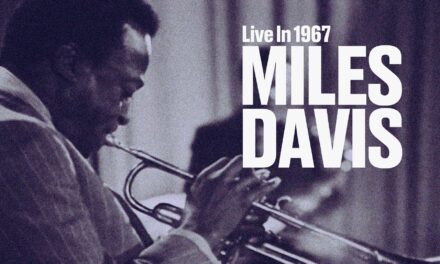
Cool jazz, often known as West Coast jazz, arose in the late 1940s and early 1950s. It was a response to the dynamic and fast-paced bebop style of jazz. Cool jazz focused on a more relaxed and laid-back attitude with a lighter tone. Musicians frequently played with a softer sound, and the songs were marked by sweet melodies and sophisticated orchestration. Notable figures linked with cool jazz include Miles Davis, Chet Baker, and Gerry Mulligan.
Band jazz, on the other hand, refers to the jazz music played by huge groups or big bands. This sub-genre became popular in the 1920s and 1930s, during the swing era. Band jazz is defined by its bright energy, syncopated rhythms, and sophisticated arrangements. It frequently contains brass and woodwind instruments, producing a rich and dynamic sound. Notable figures related to band jazz include Duke Ellington, Count Basie, and Benny Goodman.
The crucial roles performed by musicians like Louis Armstrong and Charlie Parker
Louis Armstrong, known as “Satchmo,” revolutionized jazz with his brilliant trumpet playing and unusual singing style. His technical prowess and improvisational abilities brought a new degree of originality to jazz performance. Armstrong’s importance in jazz history cannot be emphasized, since he helped popularize the swing era and pioneered the concept of the soloist as the center of emphasis in jazz bands. His unusual and emotive vocal style, typified by scat singing and improvisation, gave a new level of expressiveness to jazz music.
Charlie Parker, better known as “Bird,” was a crucial force in the development of bebop, a complicated and virtuoso subgenre of jazz. His breakthroughs in harmonic and rhythmic intricacy changed the genre, pushing it beyond the bounds of swing and traditional jazz. Parker’s particular approach, typified by rapid tempos, rich melodies, and lightning-fast improvisation, set a new benchmark for virtuosity in jazz. His importance to subsequent generations of jazz musicians cannot be overemphasized, as his influence can be heard in the performance of innumerable saxophonists and jazz performers today.
Louis Armstrong
Louis Armstrong, sometimes referred to as “Satchmo,” has left an unforgettable influence on the world of jazz music. Born in New Orleans in 1901, he became an essential character in the creation of this musical genre throughout the early 20th century. Armstrong’s unusual trumpet playing style, marked by its powerful tone, technical proficiency, and improvisational flair, transformed jazz and inspired other performers in the years to follow. Beyond his musical abilities, Armstrong was also a brilliant vocalist, recognized for his passionate singing and unusual, gravelly voice. His magnetic stage appearance and infectious personality further endeared him to audiences worldwide, leading him to become one of the most beloved and acclaimed artists of his time. Throughout his extended career, Louis Armstrong achieved countless milestones, including records that have become jazz classics, collaborations with other legendary performers, and a lasting impact on the evolution of the genre. To this day, his talents continue to impact the world of jazz, making Louis Armstrong an enduring figure in the music industry.
Impact on influencing jazz music in the early 20th century
Jazz music had a tremendous impact on defining the genre in the early 20th century. It transformed the music world with its unique approaches to rhythm, improvisation, and syncopation. Jazz brought together different musical traditions, including African, European, and Caribbean influences, creating a distinctive sound that embodied the spirit of the moment.
Early jazz musicians such as Louis Armstrong and Duke Ellington played a significant role in creating the genre. Armstrong’s virtuoso trumpet playing and magnetic stage presence propelled jazz to new heights. His improvisational skills and infectious spirit inspired countless musicians and fans alike. Similarly, Ellington, with his sophisticated compositions and arrangements, displayed the intricacy and depth of jazz as an art form.
As jazz evolved, new sub-genres formed. Bebop, marked by intricate harmonies and quick tempos, defied the old conventions of jazz. Musicians like Charlie Parker and Dizzy Gillespie broke free from the confines of big-band jazz, pioneering a more improvisational and expressive approach. Cool jazz, on the other hand, arose as a response to the fast-paced, explosive style of bebop. Artists like Miles Davis favored a more relaxed and muted tone, mixing elements of classical music and modal jazz.
Innovation in complex harmonies and chord progressions
Jazz music has frequently been promoted as a form that stretches the bounds of traditional music theory, notably in the domain of intricate harmonies and chord progressions. The creativity that occurred in jazz harmonies can be traced to the creative minds of jazz musicians who sought to create more nuanced and unique sounds.
Jazz performers expanded on traditional music theory by exploring chord substitutions and extended harmonies, allowing for a greater range of expressive options. This resulted in the development of intricate harmonies, where discord and tension were purposely blended to create a rich and textured sound. Moreover, jazz performers experimented with unorthodox chord progressions, often moving away from the predictable rhythms of traditional Western classical music.
Key figures such as Thelonious Monk, Miles Davis, and John Coltrane played a significant role in extending the boundaries of harmonic innovation. Thelonious Monk noted for his unusual and angular compositions, generated discordant harmonies and strange chord progressions that broke conventional rules. Miles Davis, with his modal jazz approach, investigated the possibilities of extended chords and stressed improvisation, further broadening the harmonic palette of jazz. John Coltrane, in his search for musical freedom, dug into intricate harmonic structures and developed his method of chord substitution known as “Coltrane changes,” which challenged traditional concepts of tonality.
John Coltrane
John Coltrane, a monumental figure in the world of jazz, is famous for his inventive and important contributions to the music. Born on September 23, 1926, in Hamlet, North Carolina, Coltrane grew up steeped in music, finally finding his passion in the saxophone. Throughout his career, he pushed the frontiers of jazz, creating complex harmonies and improvisations that extended the potential of the medium. Coltrane’s unique tone and profound musicality have left an unforgettable influence on the world of jazz and continue to inspire generations of performers. This article will go into numerous parts of his life and work, providing light on his musical journey, his collaborations with other renowned singers, the significance of his album “A Love Supreme,” and his profound spirituality. Join us as we delve into the life and legacy of John Coltrane, tracing the footsteps of a real musical trailblazer.
Exploration of new musical forms and boundaries in jazz
Jazz has always been a genre that thrives on discovery and pushing the boundaries of what is considered traditional. In the mid-20th century, there was a revived interest in combining jazz with other musical genres, leading to the development of fusion. This experimental technique integrated elements of rock, funk, and even classical music into jazz compositions, resulting in a fresh and unique sound.
Fusion allowed jazz players to break free from the confines of traditional improvisation and structure, opening up new opportunities for creative expression. Artists like Miles Davis and Herbie Hancock were at the vanguard of this movement, mixing electric instruments and synthesizers into their works. This creativity not only increased the auditory possibilities of jazz but also drew a wider audience, bridging the gap between jazz and popular music.
The importance of jazz in mainstream music cannot be emphasized. Its impact may be heard in different genres, from R&B and soul to hip-hop and electronic music. Contemporary artists like Kendrick Lamar, Flying Lotus, and Thundercat draw inspiration from jazz, bringing its harmonic complexity and improvisational spirit into their work.
Jazz artists have always welcomed creativity and pushed the genre’s limits. Jazz musicians have always tried to produce original and fresh sounds, from the bebop revolution of the 1940s to the avant-garde explorations of the 1960s and beyond. To question the established quo and expand the definition of jazz, they have embraced dissonance, nontraditional forms, and spontaneous improvisation.
In conclusion
All things considered, jazz music’s continuing appeal has been sustained by its rich history, variety of styles, and notable performers. As a tribute to the strength and beauty of this art form, the genre never fails to enthrall listeners everywhere.